
Runes: a Handbook
Inbunden, Engelska, 2012
1 189 kr
Beställningsvara. Skickas inom 5-8 vardagar. Fri frakt för medlemmar vid köp för minst 249 kr.
Finns i fler format (1)
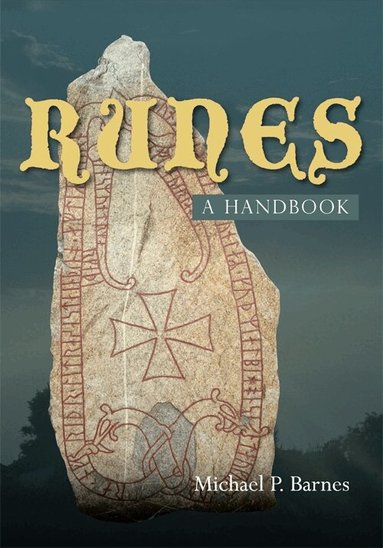
Offers a full introduction to and survey of runes and runology: their history, how they were used, and their interpretation.Runes, often considered magical symbols of mystery and power, are in fact an alphabetic form of writing. Derived from one or more Mediterranean prototypes, they were used by Germanic peoples to write different kinds of Germanic language, principally Anglo-Saxon and the various Scandinavian idioms, and were carved into stone, wood, bone, metal, and other hard surfaces; types of inscription range from memorials to the dead, through Christian prayers and everyday messages to crude graffiti. First reliably attested in the second century AD, runes were in due course supplanted by the roman alphabet, though in Anglo-Saxon England they continued in use until the early eleventh century, inScandinavia until the fifteenth (and later still in one or two outlying areas).This book provides an accessible, general account of runes and runic writing from their inception to their final demise. It also covers modern uses of runes, and deals with such topics as encoded texts, rune names, how runic inscriptions were made, runological method, and the history of runic research. A final chapter explains where those keen to see runic inscriptions can most easily find them.Professor MICHAEL P, BARNES is Emeritus Professor of Scandinavian Studies, University College London.
Produktinformation
- Utgivningsdatum2012-09-20
- Mått175 x 249 x 23 mm
- Vikt681 g
- FormatInbunden
- SpråkEngelska
- Antal sidor256
- FörlagBoydell & Brewer Ltd
- ISBN9781843837787
Tillhör följande kategorier
Hoppa över listan


Mer från samma författare
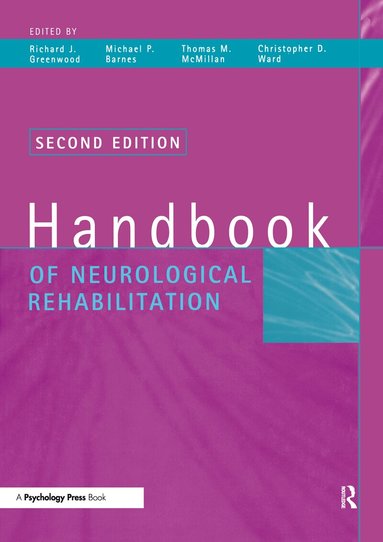
Handbook of Neurological Rehabilitation
Richard J. Greenwood, Thomas M. McMillan, Michael P. Barnes, Christopher D. Ward
Häftad, 2013
1 129 kr
Del 110
Handbook of Neurological Rehabilitation
Richard J. Greenwood, Thomas M. McMillan, Michael P. Barnes, Christopher D. Ward
Inbunden, 2002
6 259 kr
Hoppa över listan
Du kanske också är intresserad av
Handbook of Neurological Rehabilitation
Richard J. Greenwood, Thomas M. McMillan, Michael P. Barnes, Christopher D. Ward
Häftad, 2013
1 129 kr
Del 110
Handbook of Neurological Rehabilitation
Richard J. Greenwood, Thomas M. McMillan, Michael P. Barnes, Christopher D. Ward
Inbunden, 2002
6 259 kr