
Del 185
Del i serien Routledge Introductions to American Literature
Routledge Introduction to American Environmental Literature
Häftad, Engelska, 2026
949 kr
Beställningsvara. Skickas inom 10-15 vardagar. Fri frakt för medlemmar vid köp för minst 249 kr.
Finns i fler format (1)
The Routledge Introduction to American Environmental Literature offers an overview of the different ways diverse writers in the United States have represented the nonhuman world and human relationships with it from before the nation’s founding to the present. Providing a concise introduction to ongoing trends and debates in literary environmentalism and the study of environmental representation, this accessible volume also covers a variety of topics, including:• the transatlantic and transnational origins of American environmental literature• the development of the American wilderness ideal in nineteenth-century literature• the American nature writing tradition• the rise of ecological science and literary responses to it• the environmental justice movement and its literary expression• climate change and the emergence of climate fiction• ecopoetry and ecopoeticsThrough readings of texts by authors such as Henry David Thoreau, John Muir, Mary Austin, Aldo Leopold, Rachel Carson, Edward Abbey, N. Scott Momaday, Simon Ortiz, Wendell Berry, Annie Dillard, Terry Tempest Williams, Helena María Viramontes, Octavia Butler, Jesmyn Ward, Louise Erdrich, Robin Wall Kimmerer, Tommy Pico, and more, this book examines the relationship between literature and its historical, sociopolitical, and environmental contexts and analyzes the relationship between environment and literary form. This volume is for students studying environmental literature chiefly produced in or written about the context of the present-day United States. The text (or selected chapters from it) will be particularly useful in Literature and Environment, American Nature Writing, and Climate Writing courses offered most often in English departments.
Produktinformation
- Utgivningsdatum2026-03-05
- Mått152 x 229 x 19 mm
- Vikt430 g
- FormatHäftad
- SpråkEngelska
- SerieRoutledge Introductions to American Literature
- Antal sidor228
- FörlagTaylor & Francis Ltd
- ISBN9781041023883
Tillhör följande kategorier
Hoppa över listan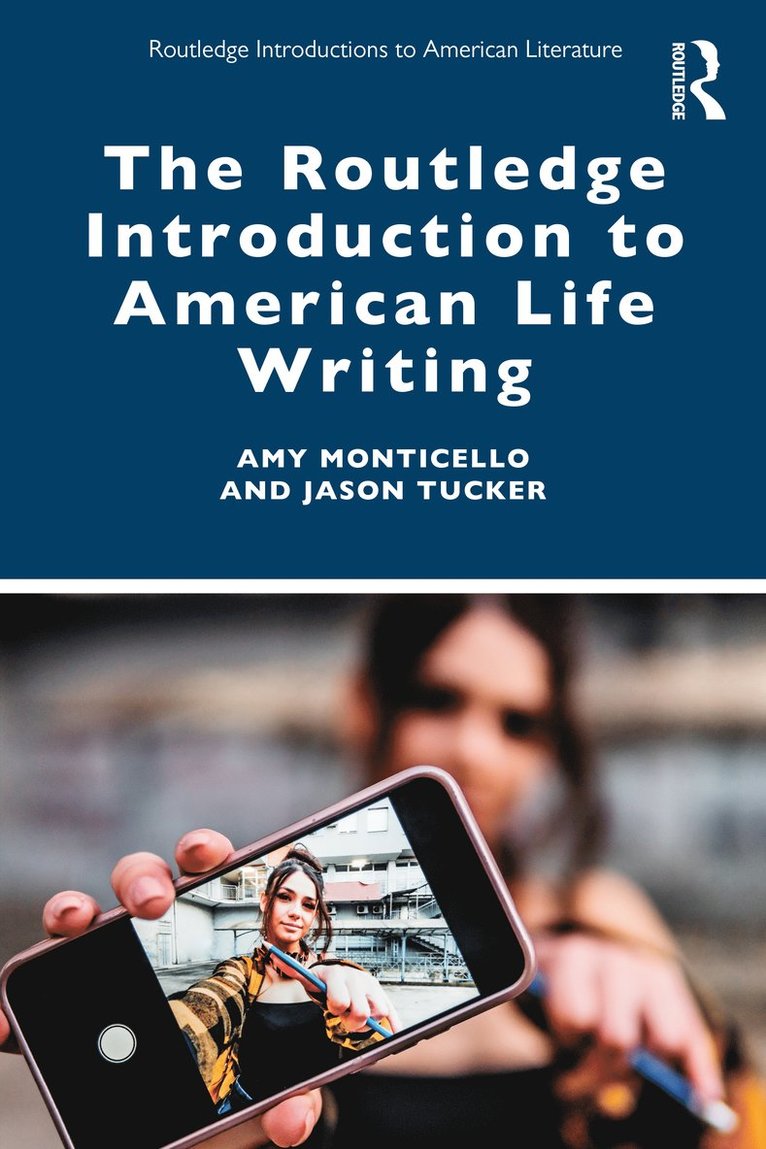
Mer från samma serie
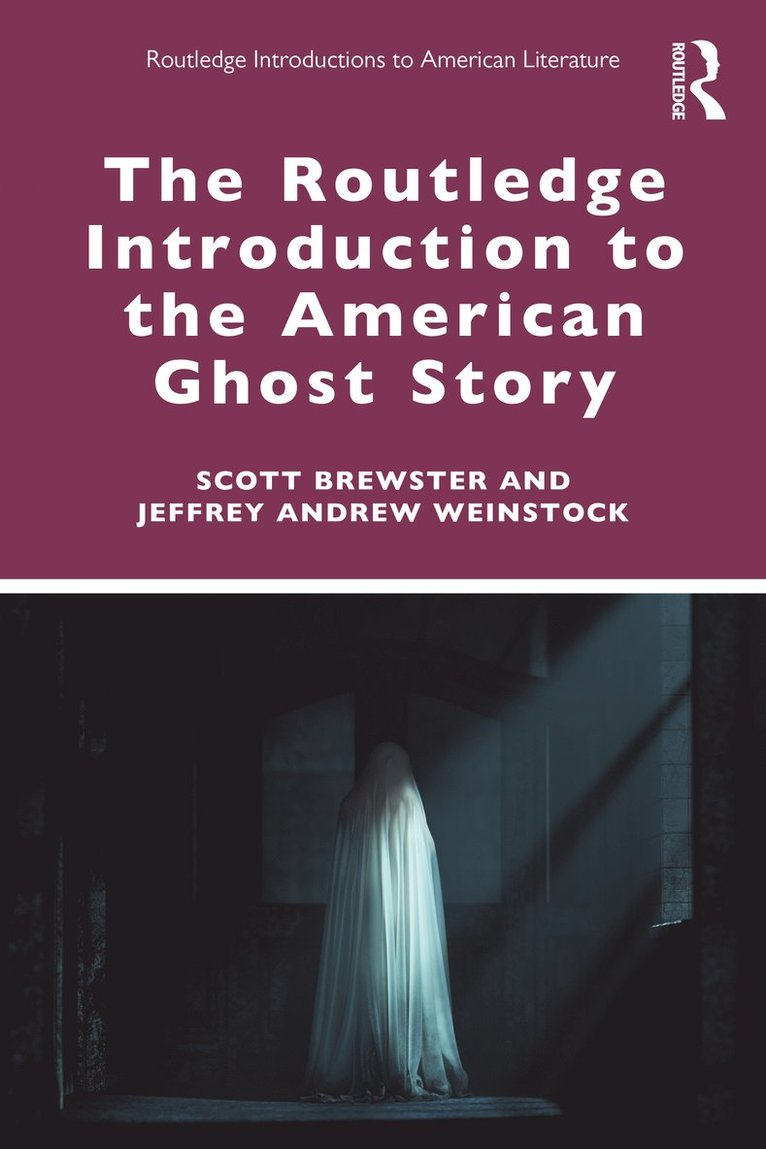
Routledge Introduction to the American Ghost Story
Scott Brewster, Jeffrey Andrew Weinstock
Häftad, 2024
869 kr
Routledge Introduction to the American Ghost Story
Scott Brewster, Jeffrey Andrew Weinstock
Inbunden, 2024
3 699 kr