
Del i serien Developments in Oncology
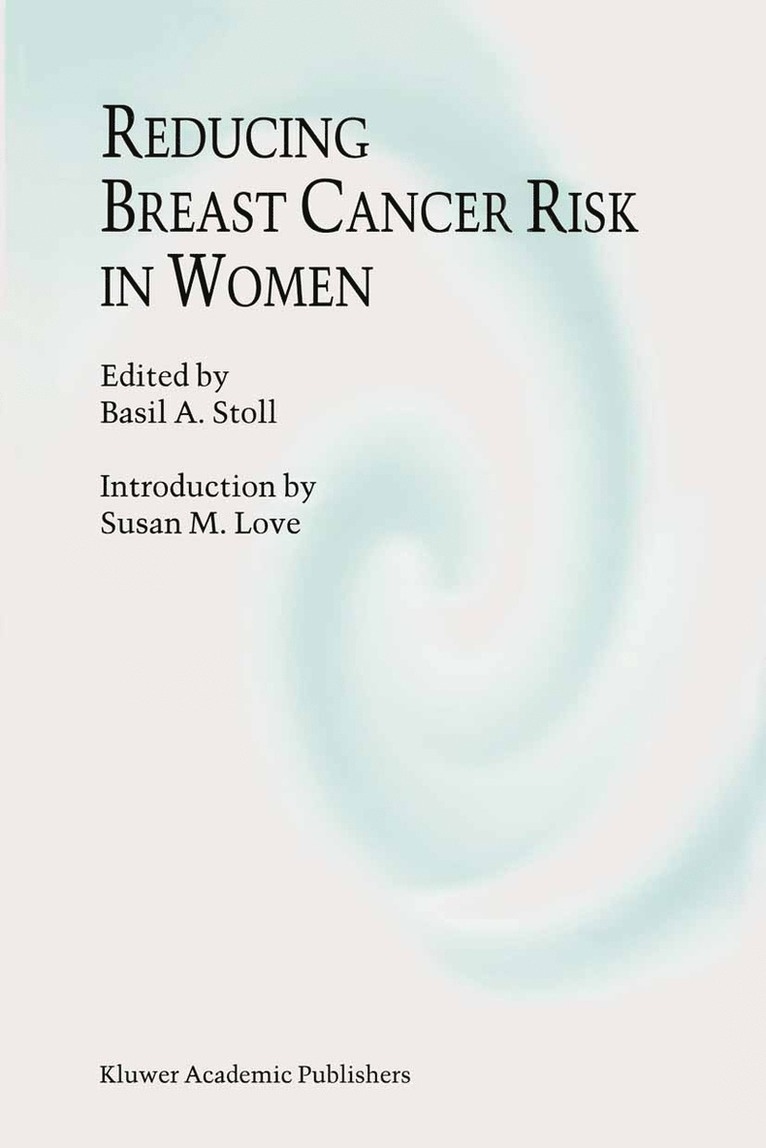
Reducing Breast Cancer Risk in Women
Introduction by Susan M. Love
Häftad, Engelska, 2012
2 949 kr
Beställningsvara. Skickas inom 10-15 vardagar. Fri frakt för medlemmar vid köp för minst 249 kr.
Breast cancer is not only a burning public issue, but very soon we shall see genetic testing for a woman's predisposition to breast cancer. Many women will be demanding to know their degree of risk and will need counselling to cope with that information. This book is particularly aimed at primary health care professionals, including physicians, medical assistants, nurses and counsellors, who daily deal with questions from women concerned about their risk of developing breast cancer. To answer such questions, this book has combined a guide to identifying women at higher risk to breast cancer, with a balanced review of approaches which aim to reduce that risk. The book provides practical general measures which may reduce risk for women at average risk. For women at clearly increased risk various protective options with different levels of efficacy and acceptability are discussed.
Central to the book is the patient-centered view. We need to face reality that it still will take many years before the current clinical trials of preventive measures provide meaningful results. Meanwhile, women who seek to diminish their risk of breast cancer need all the available information. They must be given full responsibility to make an informed decision on their own health care.
Reducing Breast Cancer Risk in Women is a practical handbook, technicalities have been deliberately kept to a minimum, making it concise and easy to read.
Central to the book is the patient-centered view. We need to face reality that it still will take many years before the current clinical trials of preventive measures provide meaningful results. Meanwhile, women who seek to diminish their risk of breast cancer need all the available information. They must be given full responsibility to make an informed decision on their own health care.
Reducing Breast Cancer Risk in Women is a practical handbook, technicalities have been deliberately kept to a minimum, making it concise and easy to read.
Produktinformation
- Utgivningsdatum2012-10-10
- Mått155 x 235 x 15 mm
- Vikt417 g
- FormatHäftad
- SpråkEngelska
- SerieDevelopments in Oncology
- Antal sidor252
- Upplaga1995
- FörlagSpringer
- ISBN9789401042192
Tillhör följande kategorier
Hoppa över listan




Du kanske också är intresserad av
Del 57
- Nyhet
Del 3
- Nyhet
Del 11
- Nyhet
Domino : Dåren, domaren och den välkammade mannen från pirayaministeriet
Håkan Nesser
Inbunden, 2026
289 kr329 kr