
Psychoanalytic Explorations of Embodied Relational Knowing
- Nyhet
Häftad, Engelska, 2026
689 kr
Beställningsvara. Skickas inom 10-15 vardagar. Fri frakt för medlemmar vid köp för minst 249 kr.
Finns i fler format (1)
This book offers groundbreaking insights into relational theory, exploring the patient’s and the analyst’s longings to know, be known and not known in psychoanalytic relationships, and the embodied nature of the healing process.Recognition of the patient’s unknowable uniqueness, which is not fully accessible by means of empathy, is shown to promote more ethical therapeutic practices. Although few psychoanalytic books have highlighted the work of the philosopher, Marcel Foucault, Brothers and Sletvold find much that is highly relevant in his work. They also demonstrate the powerful influence of culture, history, politics and world events on the therapeutic encounter.With an informed and compassionate perspective, this book is essential reading for psychoanalysts and psychotherapists regardless of their theoretical orientation.
Produktinformation
- Utgivningsdatum2026-09-21
- Mått156 x 234 x 9 mm
- Vikt320 g
- FormatHäftad
- SpråkEngelska
- Antal sidor164
- FörlagTaylor & Francis Ltd
- ISBN9781032784380
Tillhör följande kategorier
Hoppa över listan
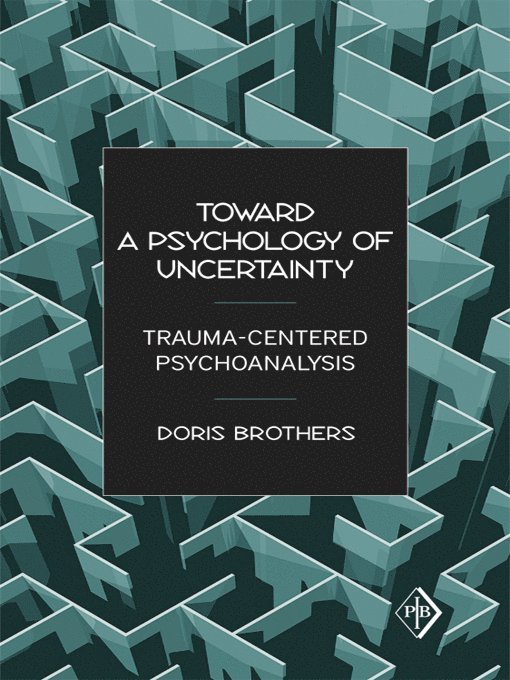

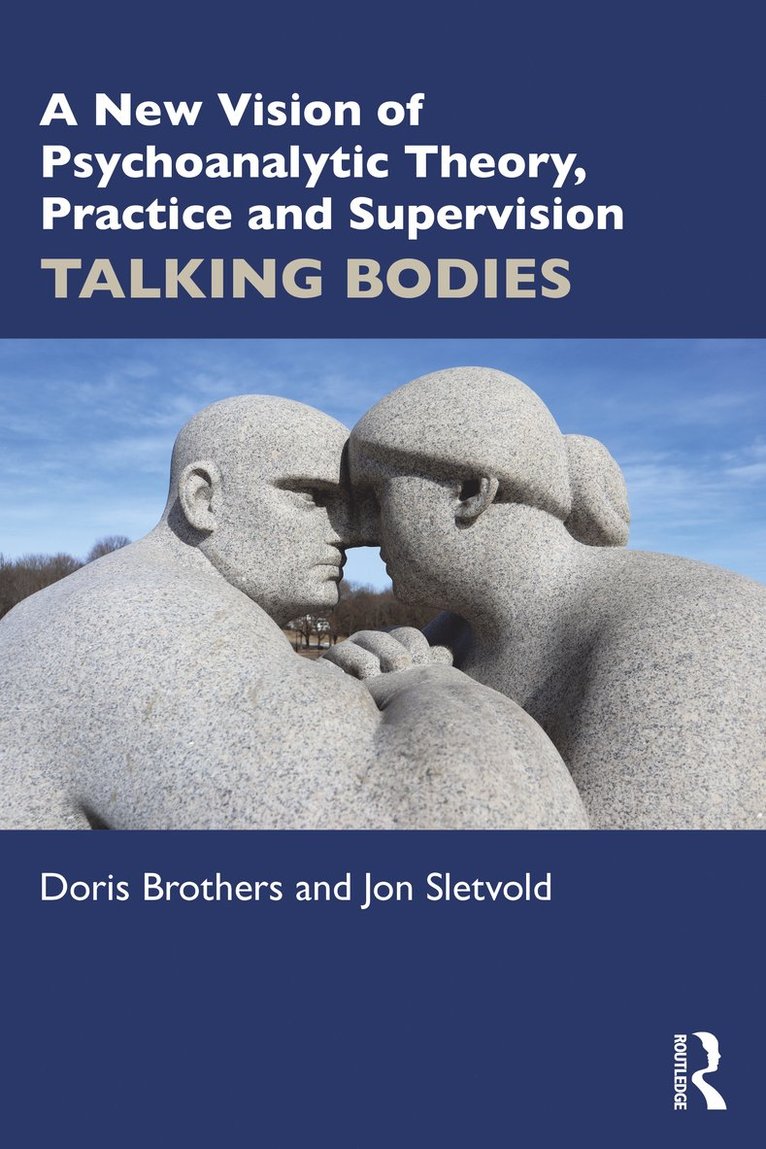


Mer från samma författare
New Vision of Psychoanalytic Theory, Practice and Supervision
Doris Brothers, Jon Sletvold
Inbunden, 2023
2 779 kr
New Vision of Psychoanalytic Theory, Practice and Supervision
Doris Brothers, Jon Sletvold
Häftad, 2023
689 kr
Hoppa över listan


Du kanske också är intresserad av
- Nyhet
Psychoanalytic Explorations of Embodied Relational Knowing
Doris Brothers, Jon Sletvold
Inbunden, 2026
3 169 kr
New Vision of Psychoanalytic Theory, Practice and Supervision
Doris Brothers, Jon Sletvold
Inbunden, 2023
2 779 kr
New Vision of Psychoanalytic Theory, Practice and Supervision
Doris Brothers, Jon Sletvold
Häftad, 2023
689 kr