
Political Economy of City Branding
Häftad, Engelska, 2018
989 kr
Beställningsvara. Skickas inom 10-15 vardagar. Fri frakt för medlemmar vid köp för minst 249 kr.
Finns i fler format (1)
Globalization affects urban communities in many ways. One of its manifestations is increased intercity competition, which compels cities to increase their attractiveness in terms of capital, entrepreneurship, information, expertise and consumption. This competition takes place in an asymmetric field, with cities trying to find the best possible ways of using their natural and created assets, the latter including a naturally evolving reputation or consciously developed competitive identity or brand.The Political Economy of City Branding discusses this phenomenon from the perspective of numerous post-industrial cities in North America, Europe, East Asia and Australasia. Special attention is given to local economic development policy and industrial profiling, and global city rankings are used to provide empirical evidence for cities’ characteristics and positions in the global urban hierarchy. On top of this, social and urban challenges such as creative class struggle are also discussed.The core message of the book is that cities should apply the tools of city branding in their industrial promotion and specialization, but at the same time take into account the special nature of their urban communities and be open and inclusive in their brand policies in order to ensure optimal results.This book will be of interest to scholars and practitioners working in the areas of local economic development, urban planning, public management, and branding.
Produktinformation
- Utgivningsdatum2018-10-26
- Mått156 x 234 x 16 mm
- Vikt220 g
- FormatHäftad
- SpråkEngelska
- SerieRoutledge Advances in Regional Economics, Science and Policy
- Antal sidor216
- FörlagTaylor & Francis Ltd
- ISBN9780367109707
Tillhör följande kategorier
Hoppa över listan
Mer från samma serie
Designing Smart and Resilient Cities for a Post-Pandemic World
Anthony Larsson, Andreas Hatzigeorgiou
Inbunden, 2022
3 209 kr
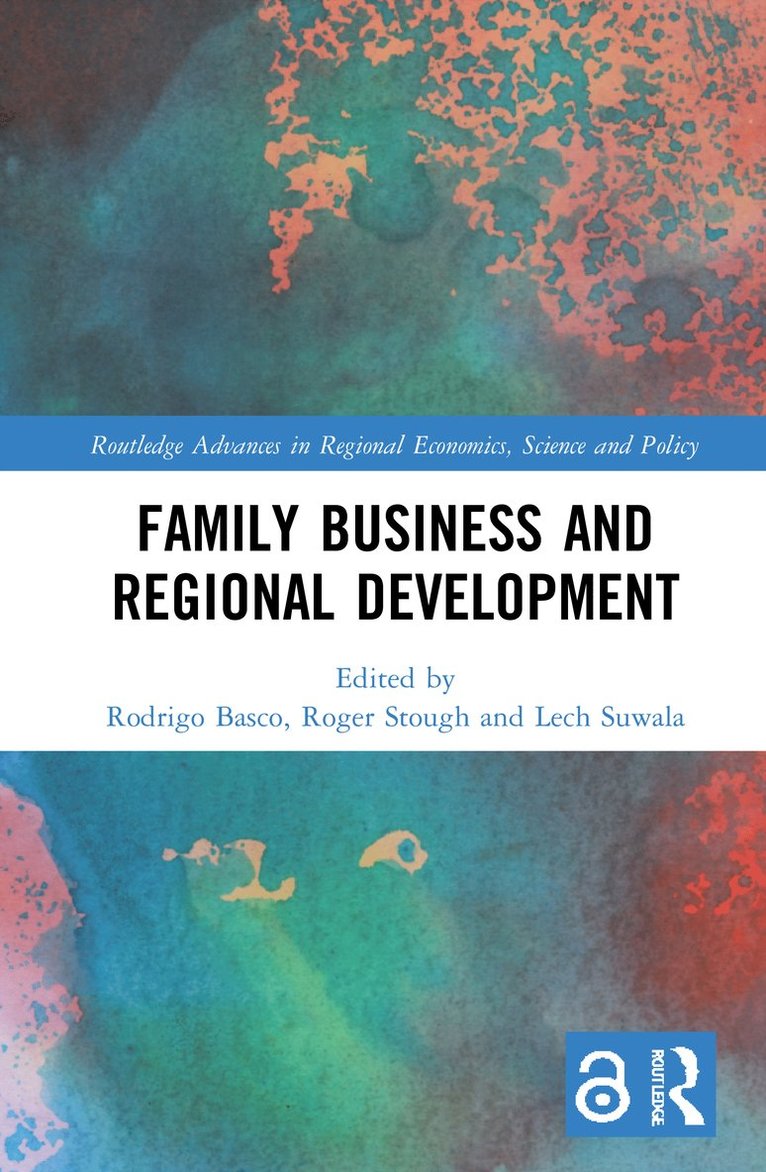
Family Business and Regional Development
Rodrigo Basco, Roger Stough, Lech Suwala
Inbunden, 2021
3 209 kr
Hoppa över listan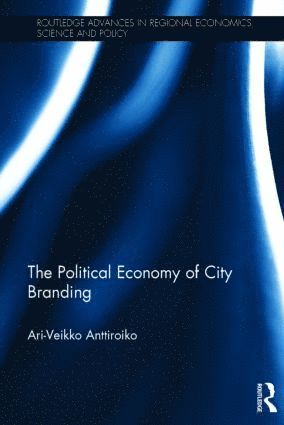






Du kanske också är intresserad av
- Nyhet
Del 3
- Nyhet
Del 11
- Nyhet
Del 6
- Nyhet
Del 4
Del 3
Del 1