
Del i serien Pocket Tutor
Pocket Tutor Paediatric Clinical Examination
Second Edition
Häftad, Engelska, 2019
479 kr
Beställningsvara. Skickas inom 5-8 vardagar. Fri frakt för medlemmar vid köp för minst 249 kr.
Finns i fler format (1)
Titles in the Pocket Tutor series give practical guidance at a highly-affordable price on subjects that medical students, foundation doctors and a range of other practitioners need help with ‘on the go’.The highly-structured, bite-size content helps novices combat the fear factor associated with day-to-day clinical training, and provides a handy reference that students and junior doctors can carry with them at all times. Pocket Tutor Paediatric Clinical Examination is an indispensable guide to the examination of children, a challenging part of clinical practice for medical students and junior doctors as it involves dealing with newborn babies through to teenagers (often also the child’s parents or guardians) and requires different communication skills and knowledge.Key features:Concise, accessible writing style and numerous colour photographs combine to produce a highly practical guide to the subjectLogical, sequential content: introductory chapters on the principles of paediatric history taking and examination, then chapters devoted to each body system and a closing chapter on clinical procedures.Changes to second edition:Extensively revised and updated throughoutNew chapter dedicated to abnormal behaviour80 new clinical images, including 50 brand new examination photos
Produktinformation
- Utgivningsdatum2019-08-31
- Mått113 x 177 x 14 mm
- Vikt324 g
- FormatHäftad
- SpråkEngelska
- SeriePocket Tutor
- Antal sidor304
- Upplaga2
- FörlagJP Medical Ltd
- ISBN9781909836891
Tillhör följande kategorier
Hoppa över listan

Mer från samma serie
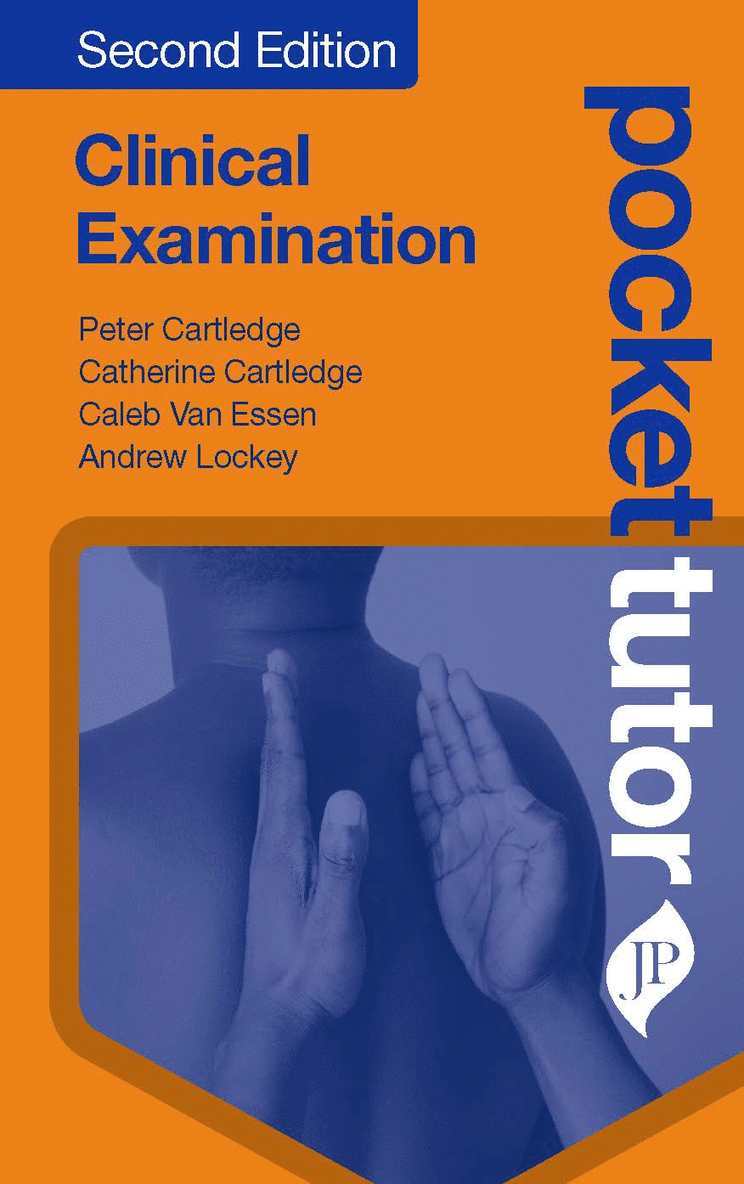
Pocket Tutor Clinical Examination
Peter Cartledge, Catherine Cartledge, Caleb Van Essen, Andrew Lockey
Häftad, 2019
479 kr
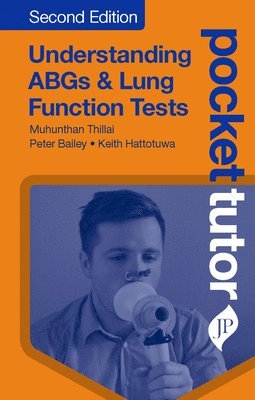
Pocket Tutor Understanding ABGs & Lung Function Tests
Muhunthan Thillai, Peter Bailey, Keith Hattotuwa
Häftad, 2019
479 kr