
Origins and Revolutions
Human Identity in Earliest Prehistory
Inbunden, Engelska, 2007
1 979 kr
Beställningsvara. Skickas inom 5-8 vardagar. Fri frakt för medlemmar vid köp för minst 249 kr.
Finns i fler format (1)
In this study Clive Gamble presents and questions two of the most famous descriptions of change in prehistory. The first is the 'human revolution', when evidence for art, music, religion and language first appears. The second is the economic and social revolution of the Neolithic period. Gamble identifies the historical agendas behind 'origins research' and presents a bold alternative to these established frameworks, relating the study of change to the material basis of human identity. He examines, through artefact proxies, how changing identities can be understood using embodied material metaphors and in two major case-studies charts the prehistory of innovations, asking, did agriculture really change the social world? This is an important and challenging book that will be essential reading for every student and scholar of prehistory.
Produktinformation
- Utgivningsdatum2007-03-26
- Mått159 x 237 x 23 mm
- Vikt595 g
- FormatInbunden
- SpråkEngelska
- Antal sidor366
- FörlagCambridge University Press
- ISBN9780521860024
Tillhör följande kategorier
Hoppa över listan
Mer från samma författare
Del 158
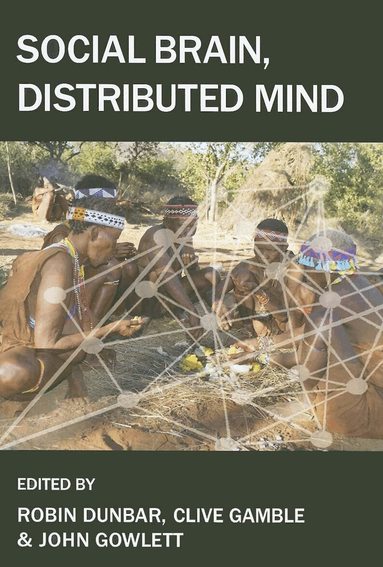
Social Brain, Distributed Mind
DUNBAR ET AL, Robin Dunbar, Clive Gamble, John Gowlett
Inbunden, 2010
2 059 kr
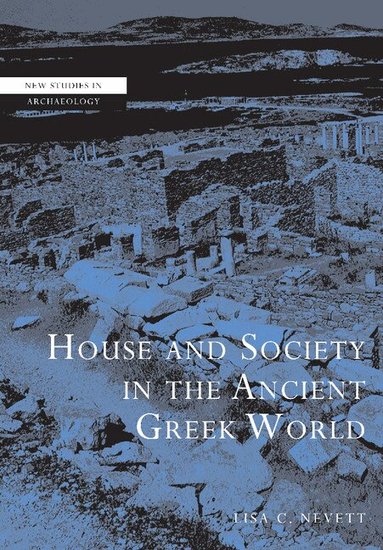
House and Society in the Ancient Greek World
Lisa C. Nevett, Colin Renfrew, Clive Gamble
Häftad, 2001
939 kr
Hoppa över listan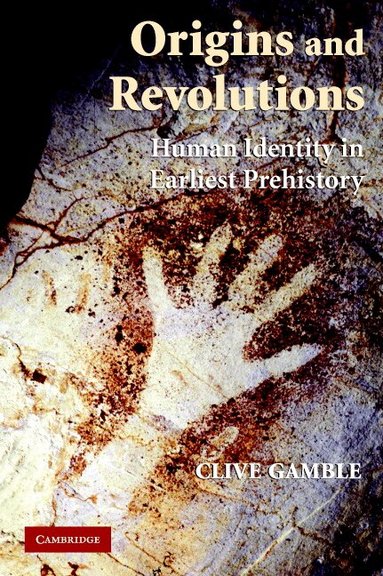

Du kanske också är intresserad av
The Archaeology of Political Structure
Olivier de Montmollin, Colin Renfrew, Clive Gamble
Häftad, 2004
979 kr