
Monty and the Canadian Army
Inbunden, Engelska, 2021
529 kr
Beställningsvara. Skickas inom 5-8 vardagar. Fri frakt för medlemmar vid köp för minst 249 kr.
Finns i fler format (1)
General Bernard Law Montgomery, affectionately known as "Monty," exerted an influence on the Canadian Army more lasting than that of any other Second World War commander. In 1942 he assumed responsibility for the exercise and training of Canadian formations in England, and by the end of the war Canada’s field army was second to none in the practical exercise of combined arms.In Monty and the Canadian Army, John A. English analyses the way Montgomery’s operational influence continued to permeate the Canadian Army. For years, the Canadian Army remained a highly professional force largely because it was commanded at almost every lower level by "Monty men" steeped in the Montgomery method. The era of the Canadian Army headed by such men ceased with the integration and unification of Canada’s armed forces in 1964.The embrace of Montgomery by Canadian soldiers stands in marked contrast to largely negative perceptions held by Americans. Monty and the Canadian Army aims to correct such perceptions, which are mostly superficial and more often than not wrong, and addresses the anomaly of how this gifted general, one of the greatest field commanders of the Second World War, managed to win over other North American troops.
Produktinformation
- Utgivningsdatum2021-10-08
- Mått160 x 239 x 28 mm
- Vikt700 g
- FormatInbunden
- SpråkEngelska
- Antal sidor372
- FörlagUniversity of Toronto Press
- ISBN9781487506995
Tillhör följande kategorier
Hoppa över listan
Mer från samma författare
Governor Joseph Johnson of Virginia. A Brief Sketch of his Life and Character
John a English
Inbunden, 2022
489 kr
Governor Joseph Johnson of Virginia. A Brief Sketch of his Life and Character
John a English
Häftad, 2022
279 kr
Hoppa över listan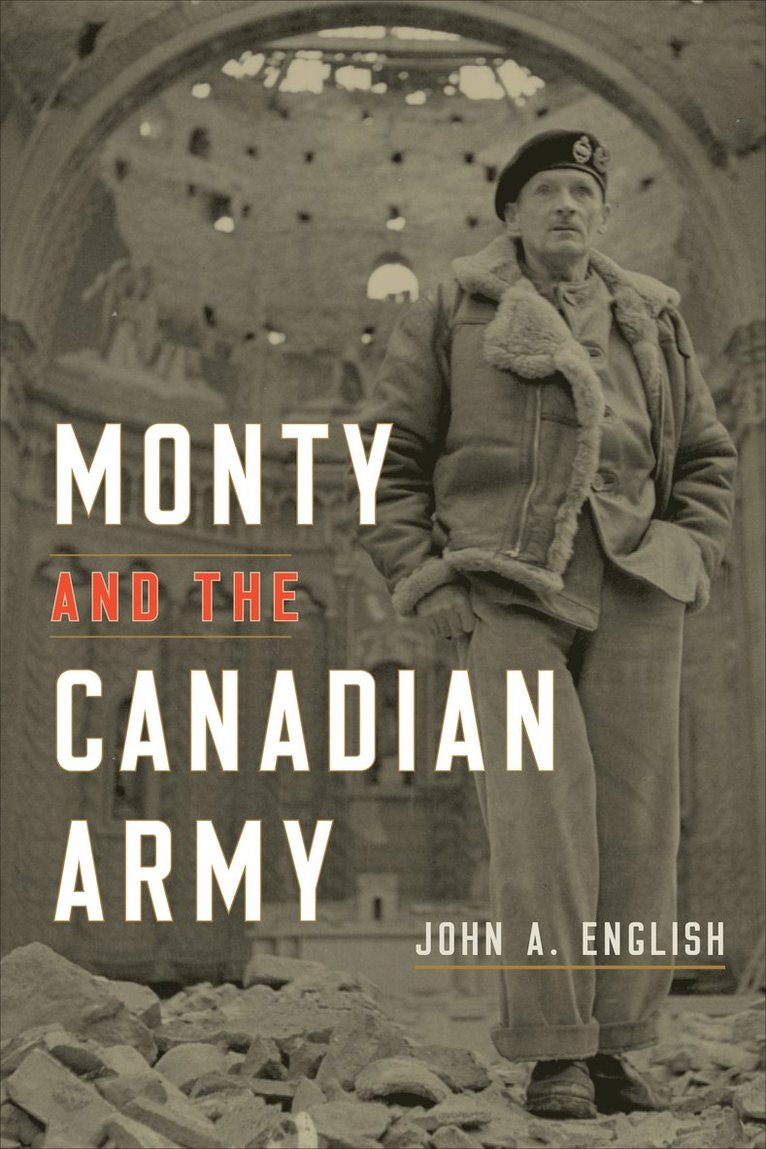
Du kanske också är intresserad av
Governor Joseph Johnson of Virginia. A Brief Sketch of his Life and Character
John a English
Häftad, 2022
279 kr
Governor Joseph Johnson of Virginia. A Brief Sketch of his Life and Character
John a English
Inbunden, 2022
489 kr
- Nyhet