
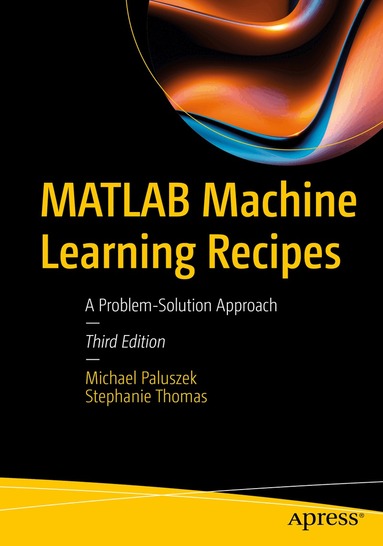
MATLAB Machine Learning Recipes
A Problem-Solution Approach
Häftad, Engelska, 2026
879 kr
Kommande
Harness the power of MATLAB to resolve a wide range of the latest machine learning challenges. The enhanced Fourth Edition is updated with new chapters on advanced machine learning techniques and real-world engineering applications.This book offers broad appeal for anyone interested in machine learning, with a new introductory chapter on MATLAB for greater accessibility and a dedicated toolbox chapter to streamline modern workflows. It also demonstrates how MATLAB and machine learning can address challenges across various technical fields. New chapters cover key machine learning areas like pattern recognition, system identification, and computer vision, along with application-focused content on advanced engineering topics such as FPGA deployment, space missions, power electronics, and dynamic modeling. Each example in the book addresses a real-world problem, with fully executable code provided for every solution. You can quickly find and follow step-by-step guidance for specific challenges, enabling you to leverage these technologies to build sophisticated applications in areas such as pattern recognition, autonomous driving, expert systems, and more.What You Will LearnWrite code for machine learning, adaptive control, and estimation using MATLABUse MATLAB graphics and visualization tools for machine learningGain knowledge of Kalman FiltersBuild neural networks, including physics-informed modelsPerform system identification and build expert systemsWork with computer vision and autonomous systemsIntegrate neural networks to FPGA hardwareApply machine learning to remaining useful life predictionWho This Book Is ForSoftware engineers, control engineers, university faculty, undergraduate and graduate students, hobbyists.
Produktinformation
- Utgivningsdatum2026-11-03
- Mått155 x 235 x undefined mm
- FormatHäftad
- SpråkEngelska
- Antal sidor547
- Upplaga4
- FörlagAPress
- ISBN9798868825149
Tillhör följande kategorier
Hoppa över listan





Du kanske också är intresserad av
Economic, Political and Legal Solutions to Critical Issues in Urban Education and Implications for Teacher Preparation
Stephanie Thomas, Shanique J. Lee, Chance W. Lewis
Inbunden, 2022
1 339 kr
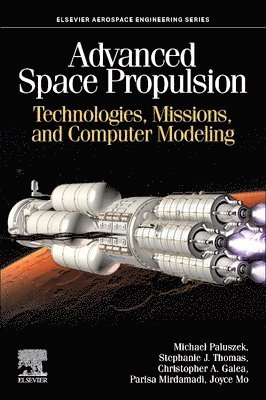
Advanced Space Propulsion
Michael Paluszek, Christopher A. Galea, Parisa Mirdamadi, Joyce Mo, Layla Mohsen Aboud, Stephanie J. Thomas
Häftad, 2026
3 949 kr