
Del i serien MasterClass
MasterClass in Science Education
Transforming Teaching and Learning
Inbunden, Engelska, 2018
2 119 kr
Beställningsvara. Skickas inom 10-15 vardagar. Fri frakt för medlemmar vid köp för minst 249 kr.
Finns i fler format (1)
Worried about teaching natural selection, submicroscopic particle models or circuits? Keith S. Taber explores a range of issues faced in secondary science teaching and discusses strategies for teaching the nature of scientific knowledge, making practical work effective and challenging gifted young scientists.MasterClass in Science Education shows how to become a master science teacher by developing and adopting the habits and mind-set of a teacher-as-scientist. The author introduces the three pillars of this approach: subject knowledge, pedagogic knowledge, and classroom research. The body of subject knowledge in the sciences is both vast and constantly evolving as it is challenged, updated and developed, and this text supports you to understand the dynamic nature of knowledge and the implications this has for your teaching. Taber shows how to use a knowledge-in-action approach, enacting knowledge in the complex and dynamic classroom environment. He supports you to critically examine classroom experiences, drawing on a wide-range of research-informed perspectives that offer insights into facilitating effective student learning. He also guides you to understand how to use recommendations from published research studies as components of a toolkit to improve your teaching and learning.
Produktinformation
- Utgivningsdatum2018-12-13
- Mått189 x 246 x 16 mm
- Vikt748 g
- FormatInbunden
- SpråkEngelska
- SerieMasterClass
- Antal sidor256
- FörlagBloomsbury Publishing PLC
- ISBN9781474289429
Tillhör följande kategorier
Hoppa över listan

Mer från samma författare
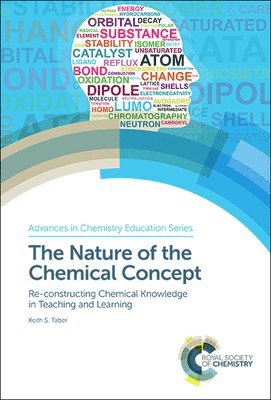
Teaching Gifted Learners in STEM Subjects
Keith S. Taber, Manabu Sumida, Lynne McClure
Häftad, 2019
919 kr
Teaching Gifted Learners in STEM Subjects
Keith S. Taber, Manabu Sumida, Lynne McClure
Inbunden, 2017
3 129 kr
Hoppa över listan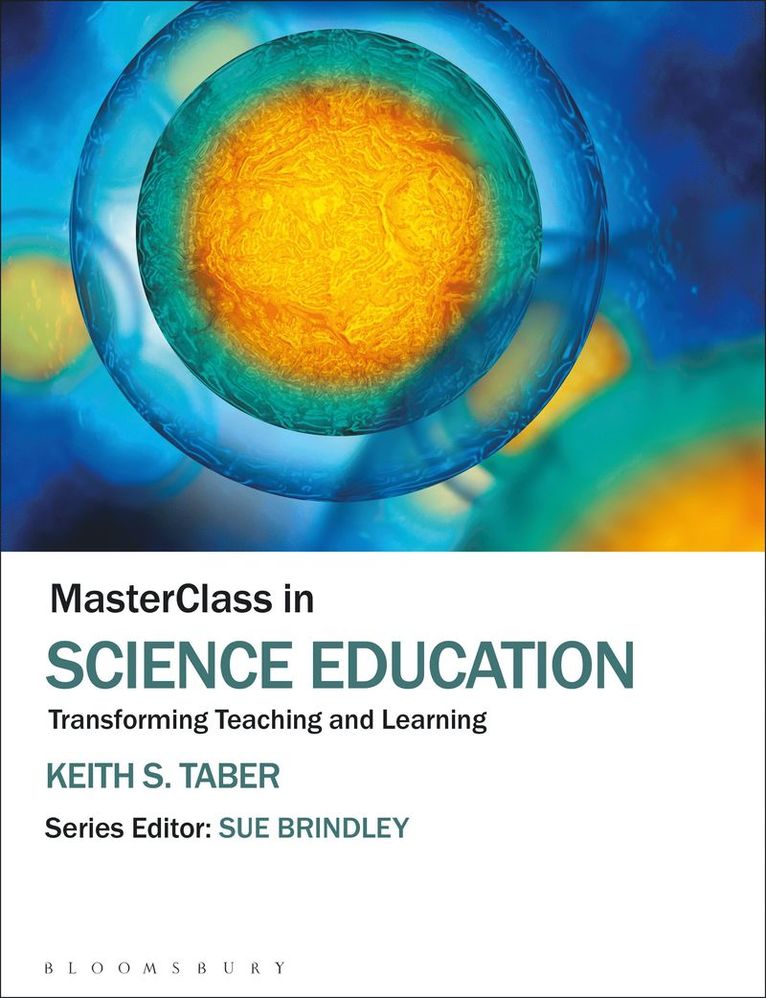
Du kanske också är intresserad av
Researching Schools
Colleen McLaughlin, Kristine Black Hawkins, Sue Brindley, Donald McIntyre, Keith Taber
Inbunden, 2006
3 819 kr
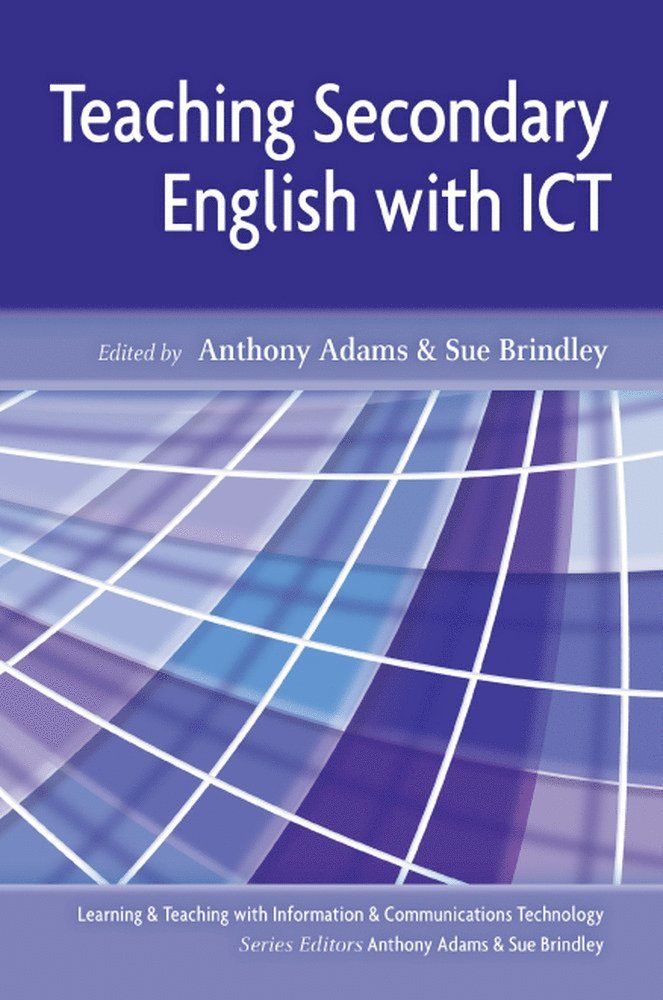
Teaching Secondary English with ICT
Anthony Adams, Sue Brindley, Anthony Adams, Sue Brindley
Häftad, 2007
879 kr
Uncertainty in Teacher Education Futures
Sandy Schuck, Peter Aubusson, Kevin Burden, Sue Brindley
Häftad, 2019
1 259 kr
Uncertainty in Teacher Education Futures
Sandy Schuck, Peter Aubusson, Kevin Burden, Sue Brindley
Inbunden, 2018
1 259 kr