
Living with Environmental Change
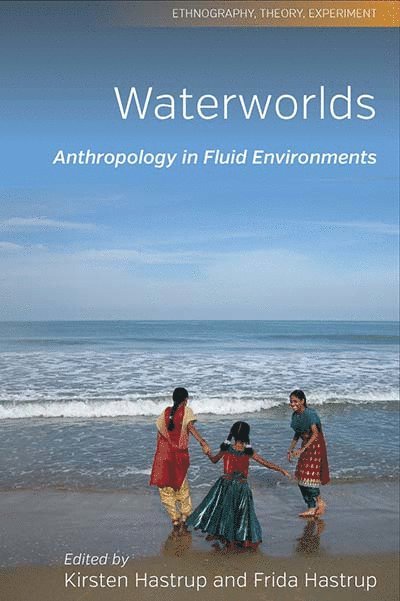
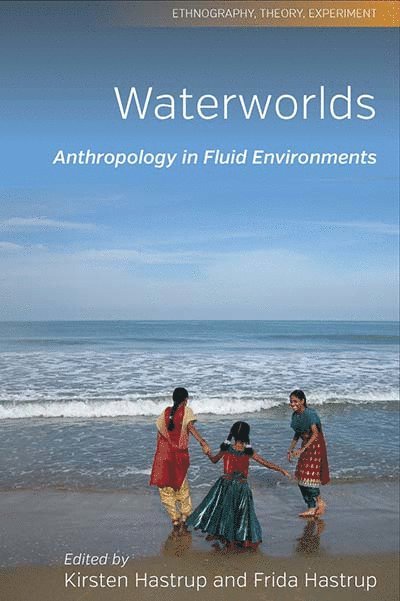
Waterworlds
Inbunden, Engelska, 2014
779 kr
Tillfälligt slut
Finns i fler format (1)
Climate change is a lived experience of changes in the environment, often destroying conventional forms of subsistence and production, creating new patterns of movement and connection, and transforming people’s imagined future.This book explores how people across the world think about environmental change and how they act upon the perception of past, present and future opportunities. Drawing on the ethnographic fieldwork of expert authors, it sheds new light on the human experience of and social response to climate change by taking us from the Arctic to the Pacific, from the Southeast Indian Coastal zone to the West-African dry-lands and deserts, as well as to Peruvian mountain communities and cities.Divided into four thematic parts - Water, Landscape, Technology, Time – this book uses rich photographic material to accompany the short texts and reflections in order to bring to life the human ingenuity and social responsibility of people in the face of new uncertainties. In an era of melting glaciers, drying lands, and rising seas, it shows how it is part and parcel of human life to take responsibility for the social community and take creative action on the basis of a localized understanding of the environment.This highly original contribution to the anthropological study of climate change is a must-read for all those wanting to understand better what climate change means on the ground and interested in a sustainable future for the Earth.
Produktinformation
- Utgivningsdatum2014-03-05
- Mått219 x 276 x 23 mm
- Vikt1 340 g
- FormatInbunden
- SpråkEngelska
- Antal sidor320
- FörlagTaylor & Francis Ltd
- ISBN9780415746670
Tillhör följande kategorier
Hoppa över listan


Du kanske också är intresserad av
Anthropology Inside Out
Mette Lind Kusk, Astrid Oberborbeck Andersen,, Anne Line Dalsgard, Mette Lind Kusk, Maria Nielsen, Cecilie Rubow, Mikkel Rytter
Häftad, 2020
529 kr