
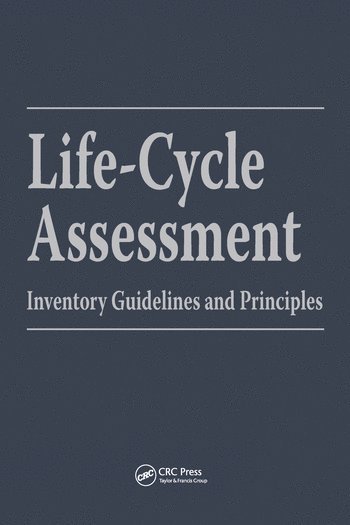
Life-Cycle Assessment
Inventory Guidelines and Principles
Inbunden, Engelska, 1994
3 509 kr
Beställningsvara. Skickas inom 10-15 vardagar. Fri frakt för medlemmar vid köp för minst 249 kr.
Finns i fler format (1)
Life-Cycle Assessment presents a brief overview of the development of the life-cycle assessment process and develops guidelines and principles for implementation of a product life-cycle inventory analysis. The book describes inventory analysis, impact analysis, and improvement analysis-the three components of a product life-cycle assessment. It discusses the major stages in a life cycle, including raw materials acquisition, materials manufacture, final product fabrication, filling/packaging/distribution, and consumer use and disposal.
Produktinformation
- Utgivningsdatum1994-07-22
- Mått178 x 254 x 12 mm
- Vikt453 g
- FormatInbunden
- SpråkEngelska
- Antal sidor144
- FörlagTaylor & Francis Inc
- ISBN9781566700153
Tillhör följande kategorier
Hoppa över listan

Du kanske också är intresserad av
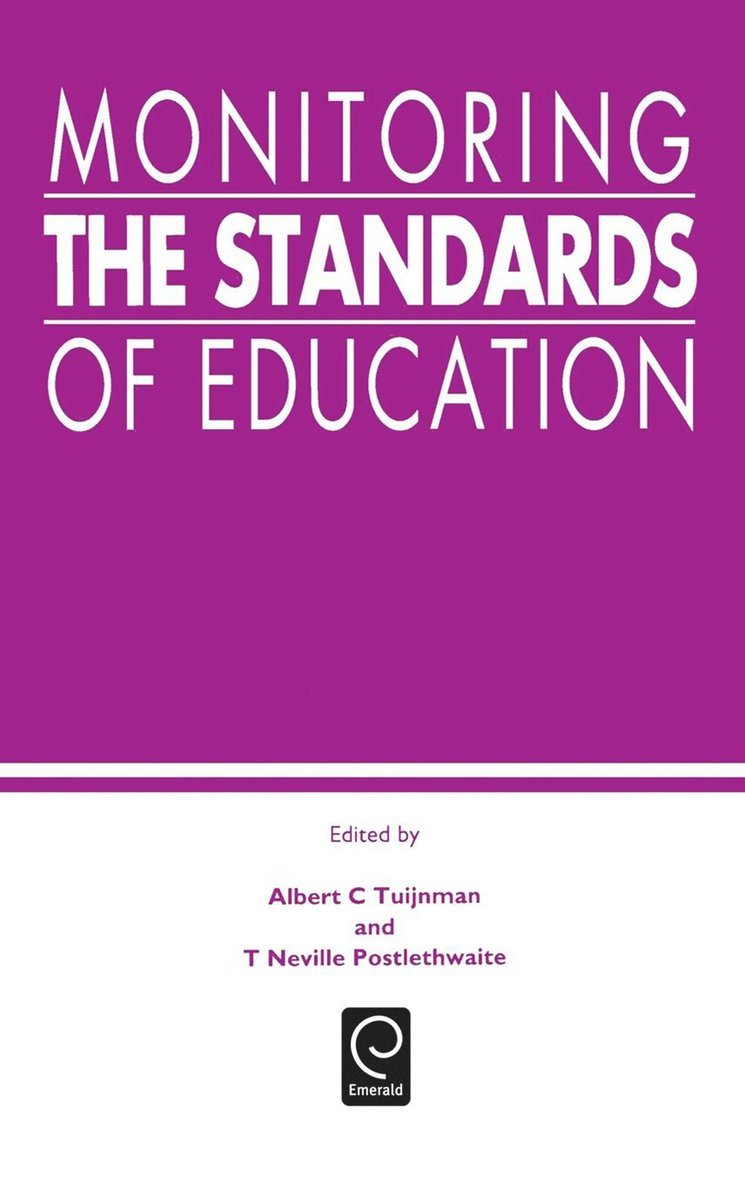
Monitoring the Standards of Education
Albert C. Tuijnman, T. Neville Postlethwaite
Inbunden, 1994
2 039 kr
Del 239
Steuern und Staatsfinanzen während der Industrialisierung Europas
Eckart Schremmer
Inbunden, 1994
1 609 kr