
Del i serien Routledge Studies in Contemporary Literature
Kazuo Ishiguro and Ethics
Inbunden, Engelska, 2024
3 709 kr
Beställningsvara. Skickas inom 10-15 vardagar. Fri frakt för medlemmar vid köp för minst 249 kr.
Finns i fler format (1)
Kazuo Ishiguro and Ethics addresses the philosophical issues that lie at the heart of Ishiguro’s fiction, shedding light on the moral condition of his characters – their sense of responsibility and pride in service, their attempts at self-determination and the value they assign to loyalty, love and friendship. Ethics in Ishiguro’s work is structured around the tension between the limits of the characters’ agency and their striving towards the good. Ishiguro’s novels are shown to tackle fundamental questions posed by ancient Greek philosophers, especially Plato, and modern Western ones, from Adam Smith through Jean-Paul Sartre to Martha Nussbaum. What is the human soul? What is dignity? What does it mean to be human? These issues are expressed in his narrative world through the universal and timeless language of myths, allegories and images that are both ancient and modern as well as cross-cultural.
Produktinformation
- Utgivningsdatum2024-12-09
- Mått152 x 229 x 16 mm
- Vikt440 g
- FormatInbunden
- SpråkEngelska
- SerieRoutledge Studies in Contemporary Literature
- Antal sidor194
- FörlagTaylor & Francis Ltd
- ISBN9781032660677
Tillhör följande kategorier
Hoppa över listan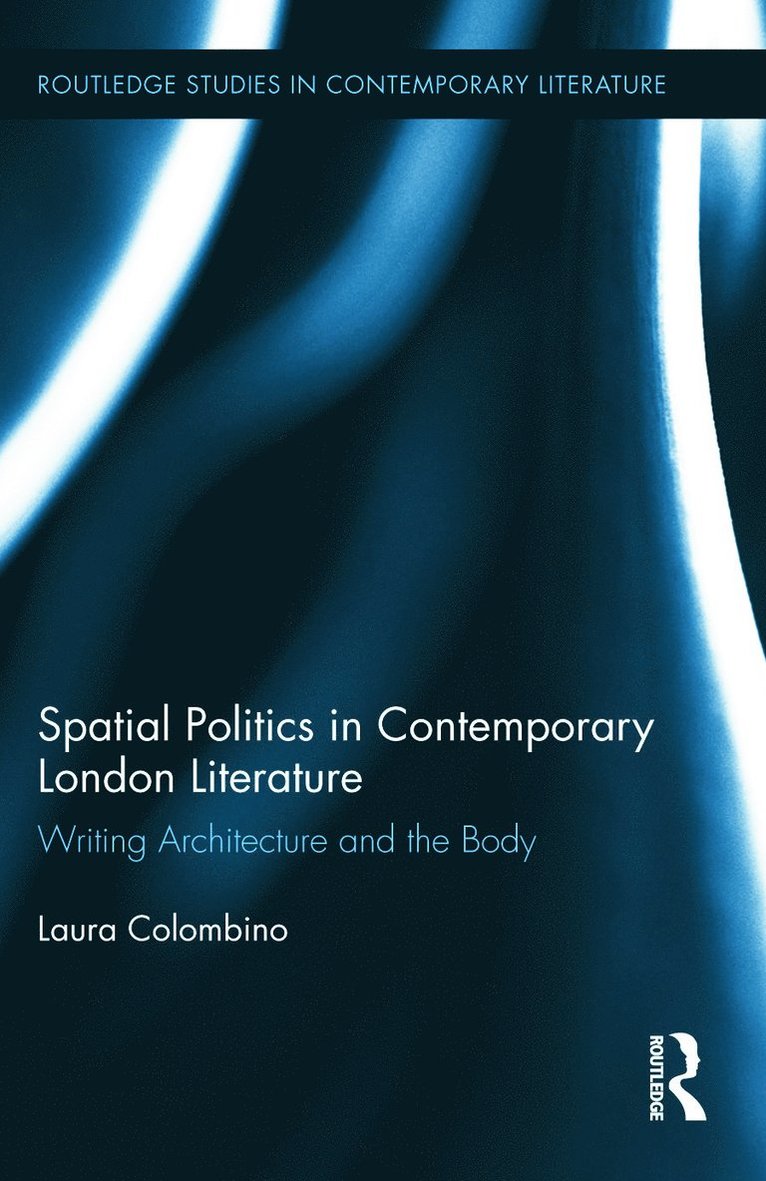



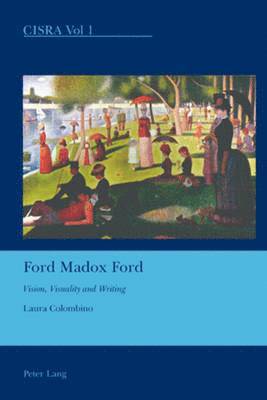
Mer från samma författare
Routledge Research Companion to Ford Madox Ford
Sara Haslam, Laura Colombino, Seamus O'Malley
Häftad, 2021
1 129 kr
Routledge Research Companion to Ford Madox Ford
Sara Haslam, Laura Colombino, Seamus O'Malley
Inbunden, 2018
5 059 kr
Del 1
Hoppa över listan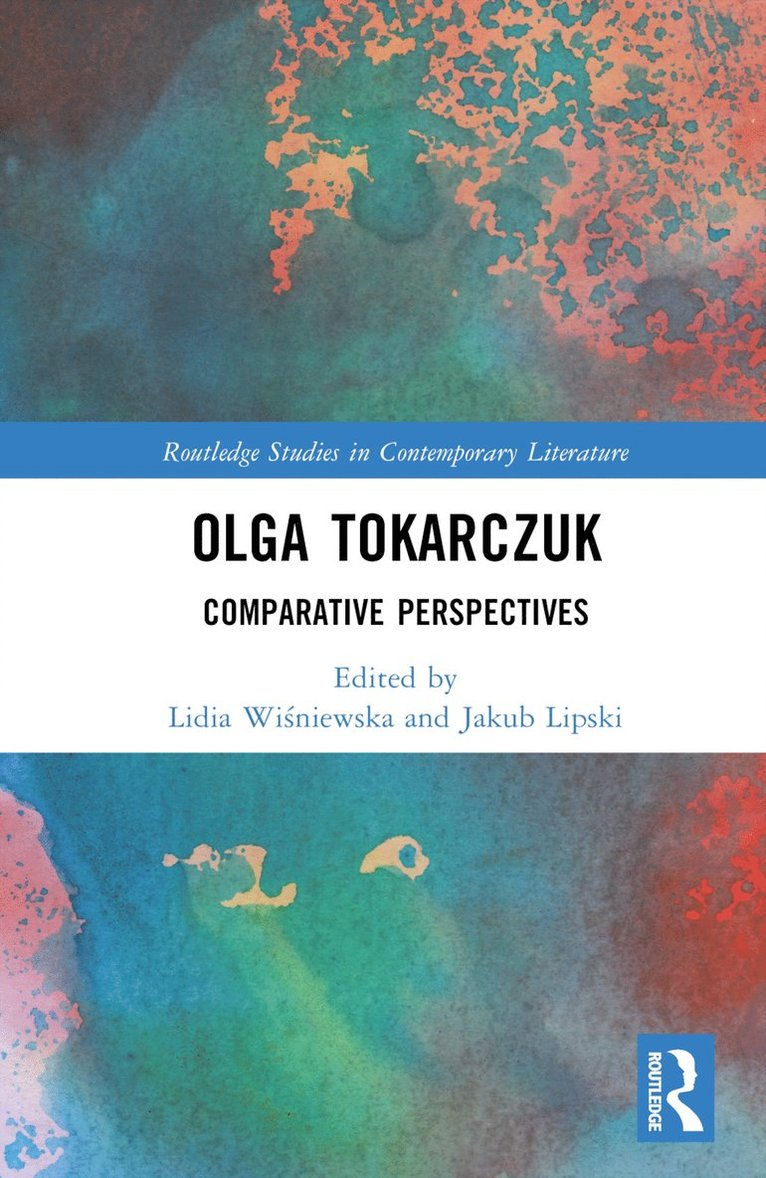






Mer från samma serie
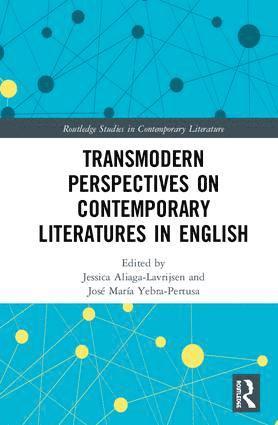
Transmodern Perspectives on Contemporary Literatures in English
Jessica Aliaga-Lavrijsen, José María Yebra-Pertusa
Inbunden, 2019
3 709 kr
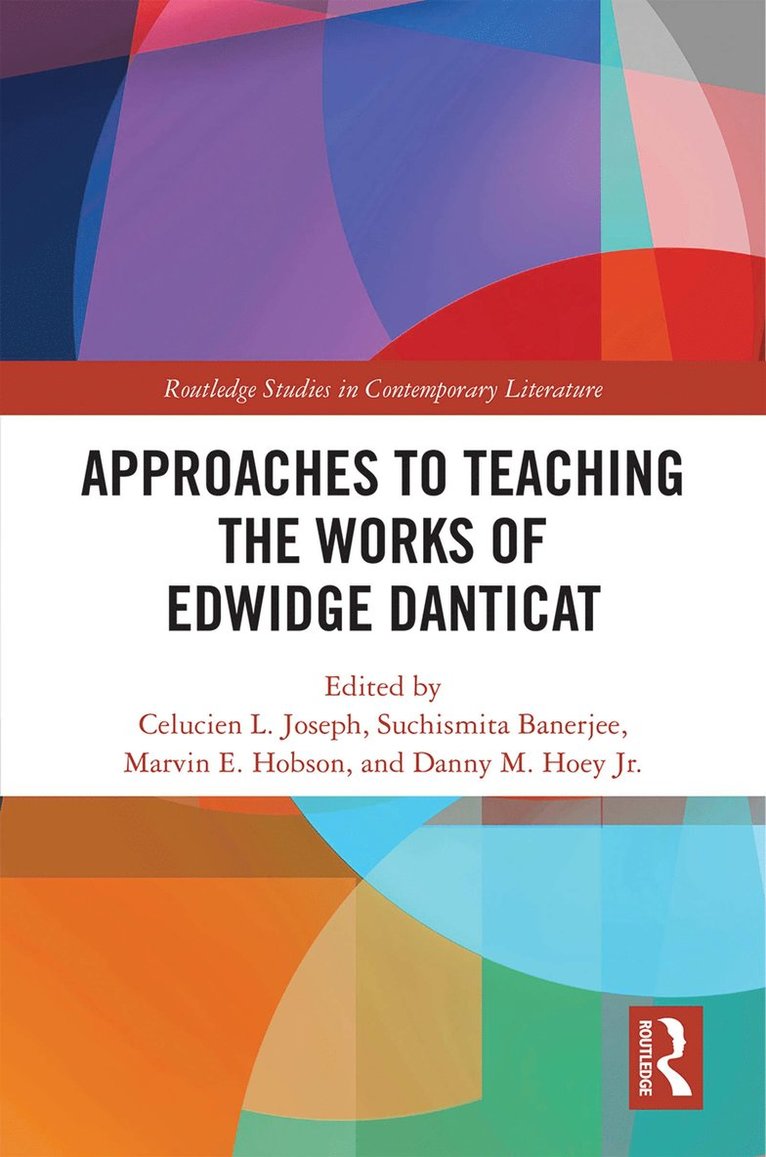
Approaches to Teaching the Works of Edwidge Danticat
Celucien Joseph, Suchismita Banerjee, Marvin Hobson, Danny Hoey, Jr.
Inbunden, 2019
3 709 kr
Hoppa över listan




Du kanske också är intresserad av
Del 1
Routledge Research Companion to Ford Madox Ford
Sara Haslam, Laura Colombino, Seamus O'Malley
Häftad, 2021
1 129 kr
Routledge Research Companion to Ford Madox Ford
Sara Haslam, Laura Colombino, Seamus O'Malley
Inbunden, 2018
5 059 kr
- Nyhet
Del 3
- Nyhet
Del 4
- Nyhet
Del 6
- Nyhet