
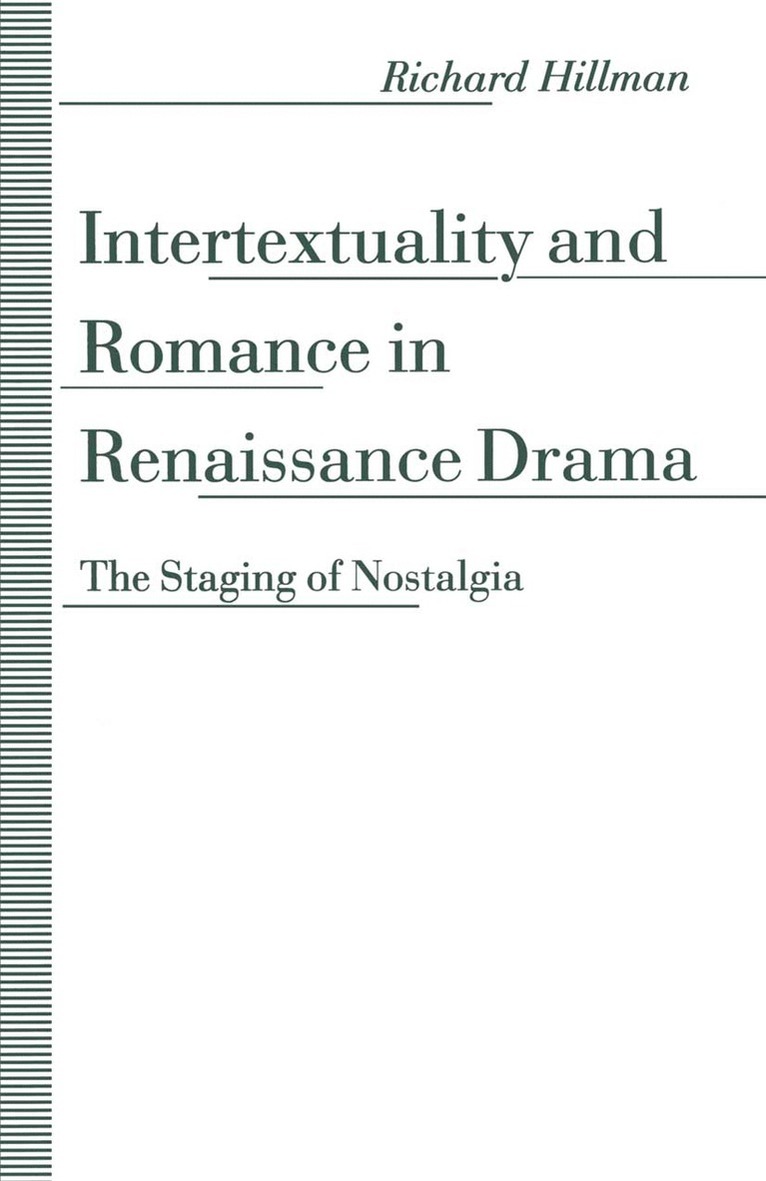
Intertextuality and Romance in Renaissance Drama
The Staging of Nostalgia
Inbunden, Engelska, 1992
2 469 kr
Beställningsvara. Skickas inom 10-15 vardagar. Fri frakt för medlemmar vid köp för minst 249 kr.
Finns i fler format (1)
These essays apply the postmodernist theory of intertextuality to romantic drama of the English Renaissance, including work by Heywood, Beaumont and Fletcher, Ford, and especially Shakespeare. Placing the plays into dynamic relation with a wide variety of literary, cultural, and political 'intertexts' causes them to signify in ways not previously appreciated, as well as to define neglected features of the staged romance of the period. Equally important is the development of intertextuality as a critical methodology with a particular affinity for the genre and the period.
Produktinformation
- Utgivningsdatum1992-07-21
- Mått140 x 216 x 18 mm
- Vikt440 g
- FormatInbunden
- SpråkEngelska
- Antal sidor214
- Upplaga1992
- FörlagPalgrave Macmillan
- ISBN9780333567036
Tillhör följande kategorier
Hoppa över listan


Mer från samma författare
Preface to the Essays of Michel de Montaigne by his Adoptive Daughter, Marie Le Jars de Gournay
Marie Le Jars De Gournay, Richard Hillman, Colette Quesnel
Inbunden, 2022
519 kr
Preface to the Essays of Michel de Montaigne by his Adoptive Daughter, Marie Le Jars de Gournay
Marie Le Jars De Gournay, Richard Hillman, Colette Quesnel
Häftad, 2022
289 kr
Female Transgression in Early Modern Britain
Richard Hillman, Pauline Ruberry-Blanc
Häftad, 2016
1 279 kr
Female Transgression in Early Modern Britain
Richard Hillman, Pauline Ruberry-Blanc
Inbunden, 2014
3 689 kr
Hoppa över listan




Du kanske också är intresserad av
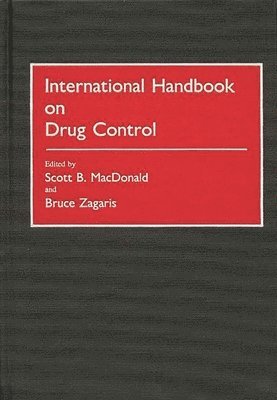
International Handbook on Drug Control
Scott Macdonald, Bruce Zagaris, Scott B. MacDonald, Bruce Zagaris, Scott B. Macdonald
Inbunden, 1992
1 179 kr
Zapp! In Education: How Empowerment Can Improve the Quality of Instruction, and Student and Teacher Satisfaction
Kathy Harper, Jeff Cox
Häftad, 1992
319 kr