
Influencing Early Childhood Education: Key Figures, Philosophies and Ideas
Häftad, Engelska, 2011
519 kr
Beställningsvara. Skickas inom 3-6 vardagar. Fri frakt för medlemmar vid köp för minst 249 kr.
Thinking about early childhood education will offer an academic and critical approach to the wealth of theories that underpin elements of current practice in early childhood care and education. It will focus on analyzing the rise and interconnectedness of theories of learning and development. It will range from key nineteenth century movements to progressive ideas of the twentieth century, encompassing psychoanalytic theories, deconstructing theories and constructivism and behaviourism.
Produktinformation
- Utgivningsdatum2011-04-16
- Mått170 x 240 x 13 mm
- Vikt295 g
- FormatHäftad
- SpråkEngelska
- Antal sidor232
- FörlagMcGraw-Hill Education
- ISBN9780335241569
Tillhör följande kategorier
Hoppa över listan
Mer från samma författare
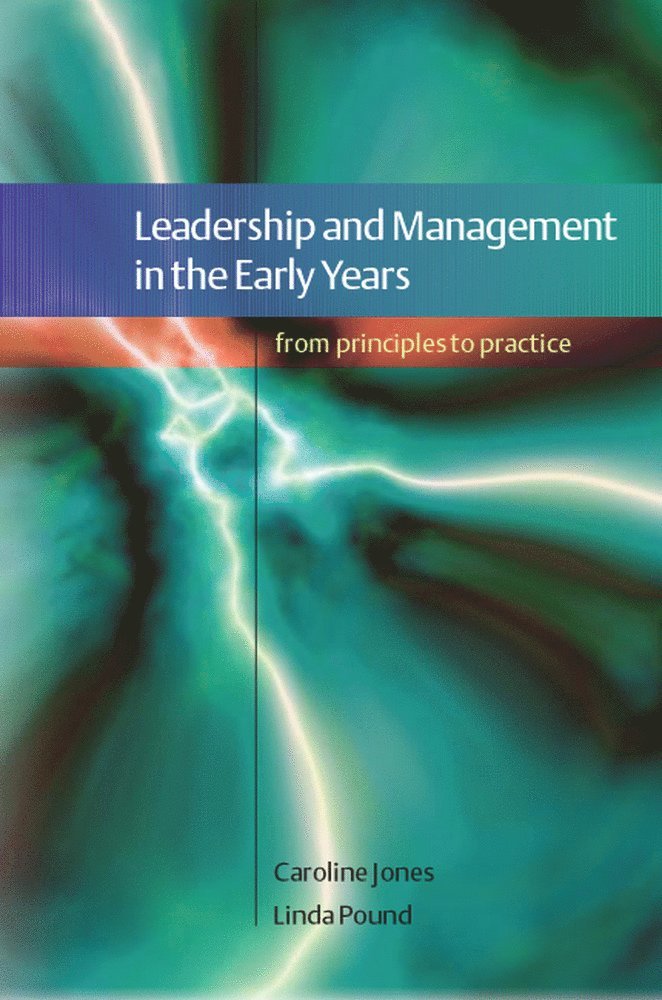
Leadership and Management in the Early Years: From Principles to Practice
Caroline Jones, Linda Pound
Häftad, 2008
469 kr
Hoppa över listan
Du kanske också är intresserad av
Leadership and Management in the Early Years: From Principles to Practice
Caroline Jones, Linda Pound
Häftad, 2008
469 kr
Theories and Approaches to Learning in the Early Years
Linda Miller, Linda Pound
Inbunden, 2010
2 559 kr