
Heidegger's Moral Ontology
Inbunden, Engelska, 2018
2 069 kr
Beställningsvara. Skickas inom 5-8 vardagar. Fri frakt för medlemmar vid köp för minst 249 kr.
Finns i fler format (1)
Heidegger's Moral Ontology offers the first comprehensive account of the ethical issues that underwrite Heidegger's efforts to develop a novel account of human existence. Drawing from a wide array of source materials from the period leading up to the publication of Being and Time (1919-1927), and in conversation with ancient, modern, and contemporary contributions to moral philosophy, James D. Reid brings Heidegger's early philosophy into fruitful dialogue with the history of ethics, and sheds fresh light on such familiar topics as Heidegger's critique of Husserl, his engagement with Aristotle, his account of mortality, the role played by Kant in the genesis of Being and Time, and Heidegger's early reflections on philosophical language and concepts. This lively book will appeal to all who are interested in Heidegger's early phenomenology and in his thought more generally, as well as to those interested in the nature, scope, and foundations of ethical life.
Produktinformation
- Utgivningsdatum2018-11-15
- Mått156 x 234 x 17 mm
- Vikt490 g
- FormatInbunden
- SpråkEngelska
- Antal sidor248
- FörlagCambridge University Press
- ISBN9781108422185
Tillhör följande kategorier
Hoppa över listan

Mer från samma författare
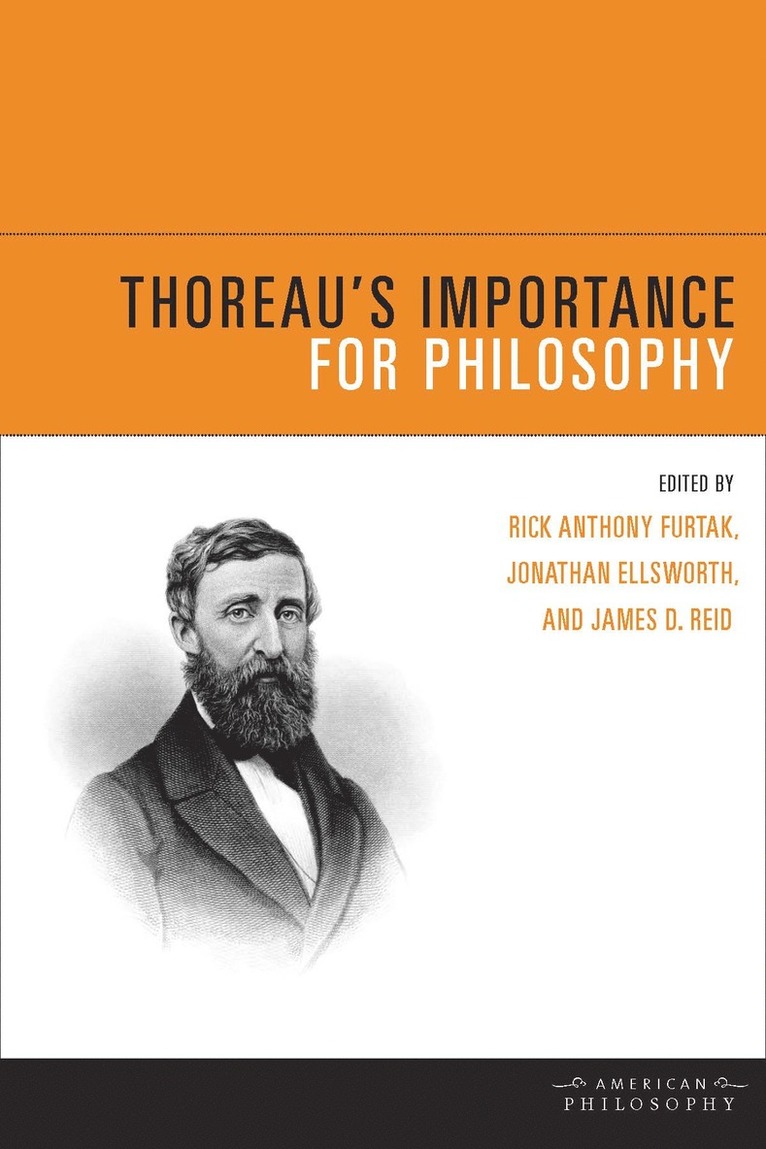
Thoreau's Importance for Philosophy
Rick Anthony Furtak, Jonathan Ellsworth, James D. Reid
Inbunden, 2012
1 059 kr
Hoppa över listan





Du kanske också är intresserad av
Philosophical Fragments as the Poetry of Thinking
Luke Fischer, James D. Reid, James D Reid, Rick Anthony Furtak
Häftad, 2026
529 kr
Thoreau's Importance for Philosophy
Rick Anthony Furtak, Jonathan Ellsworth, James D. Reid
Inbunden, 2012
1 059 kr