
Handbook of Microplastics
Inbunden, Engelska, 2026
4 689 kr
Beställningsvara. Skickas inom 10-15 vardagar. Fri frakt för medlemmar vid köp för minst 249 kr.
Handbook of Microplastics provides a wealth of information on what these materials are, how they are proliferating, their geographical distribution, chemical components, morphology, and their physical characteristics, including the various forms they take in different environments. The mechanisms of microplastic formation are discussed, as are methods for detecting and analyzing them, with emphasis placed on the importance of accurate identification in assessing their impact. Key commercial products that are significant sources of microplastics are identified, raising awareness about consumer choices and their environmental consequences. The formation, properties, and hazards of microplastics from various polymers are also covered, as are the environmental impact of microplastics, including their presence in air, water, and soil, leading into an examination of the potential effects on human health and wildlife, including plants, animals, insects, and organisms in aquatic habitats. The book concludes with coverage of microplastics in the food chain, policy measures aimed at combating microplastic pollution, and methods for reducing, eliminating, and preventing microplastic, stressing the urgency of innovative solutions and collective action.
- Provides insights into what defines a microplastic, their proliferation and alarming presence, and geographical distribution
- Discusses the chemical components of microplastics, examining their original materials and those that result from degradation processes
- Analyzes their morphology, physical characteristics, and the various forms microplastics take in different environments
- Outlines methods for detecting and analyzing microplastics, emphasizing the importance of accurate identification in assessing their impact
Produktinformation
- Utgivningsdatum2026-03-31
- Mått152 x 229 x 19 mm
- Vikt450 g
- FormatInbunden
- SpråkEngelska
- Antal sidor380
- FörlagElsevier Science
- ISBN9781774670903
Tillhör följande kategorier
Hoppa över listan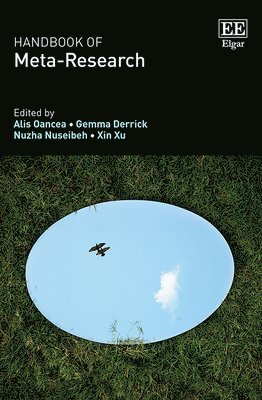









Du kanske också är intresserad av
Handbook of Meta-Research
Alis Oancea, Gemma E. Derrick, Nuzha Nuseibeh, Xin Xu
Inbunden, 2024
4 689 kr
BEYOND CONVENTIONAL ECONOMICS: SELECTED WORKS OF E RAY CANTERBERY
Canterbery E Ray, E Ray Canterbery
Inbunden, 2016
4 689 kr
Del 18
Japan-Bibliografie, Band 3/1, Japan-Bibliografie (1951-1970)
Wolfgang Hadamitzky, Marianne Rudat-Kocks
Inbunden, 1995
4 689 kr
Del 125
Vermischte dramatische Stücke: Urania. Antiochus und Stratonica. Adonis und Rosibella
Johann Christian Hallmann
Inbunden, 1987
4 689 kr
Del 121
Aristotelische Naturphilosophie und christliche Kabbalah im Werk des Paulus Ritius
Bernd Roling
Inbunden, 2007
4 689 kr