
Del i serien Routledge Series on Asian Migration
Global Hong Kong
Post-2019 Migration and the New Hong Kong Diaspora
Inbunden, Engelska, 2025
3 309 kr
Beställningsvara. Skickas inom 10-15 vardagar. Fri frakt för medlemmar vid köp för minst 249 kr.
This book examines the most recent outmigration waves from Hong Kong (HK), a city experiencing drastic social changes since 2019, the year when it witnessed a series of social protests.Structured in three parts, i.e., HK–UK in continuum and the new HK diaspora in the UK; The new HK diaspora beyond Europe; and Transforming population geographies in HK, the chapters in this book analyse the post-2019 migration that occurred in the midst of the city’s fast-changing socio-political condition. The contributors focus on migrants’ experiences of migration and settlement, and their integration efforts in the destinations. This book also explores the home-building processes and identity changes among HK immigrants, how migration policies are embedded in complex national and regional politics, and how this new wave of migration has impacted HK. It suggests that new HK migrant communities have resulted in the formation of distinctive HK diasporas and a “Global Hong Kong”. It shows how migration evolves in this age of globalisation and hypermobility, alongside global geopolitics and the changing social and political environment in Asia.A valuable contribution to the understanding of HK migration in particular and Asian migration in general, this book will be of interest to overseas Chinese studies, diaspora and migration studies, and Asian studies.
Produktinformation
- Utgivningsdatum2025-03-04
- Mått156 x 234 x 21 mm
- Vikt570 g
- FormatInbunden
- SpråkEngelska
- SerieRoutledge Series on Asian Migration
- Antal sidor212
- FörlagTaylor & Francis Ltd
- ISBN9781032896892
Tillhör följande kategorier
Hoppa över listan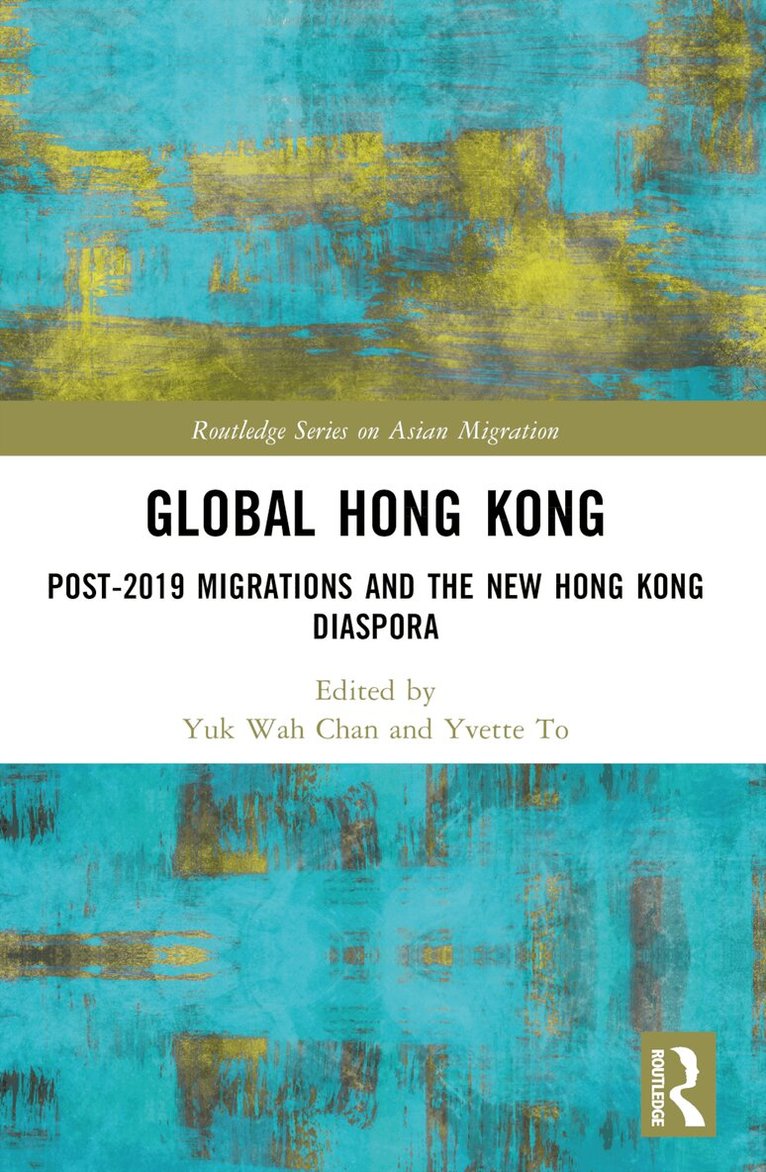
Du kanske också är intresserad av
Contested Development in China's Transition to an Innovation-driven Economy
Yvette To
Häftad, 2024
889 kr
Contested Development in China's Transition to an Innovation-driven Economy
Yvette To
Inbunden, 2022
3 219 kr