
Del i serien Routledge Studies in Development Economics
Fiscal Policy and the Natural Resources Curse
How to Escape from the Poverty Trap
Häftad, Engelska, 2018
989 kr
Beställningsvara. Skickas inom 10-15 vardagar. Fri frakt för medlemmar vid köp för minst 249 kr.
Finns i fler format (1)
It is widely accepted that natural resource wealth, especially in the form of oil and minerals, can be a key factor in inhibiting economic development. Many of the countries that are richest in natural resources – including oil, metals and diamonds – are amongst the world’s poorest. Why? Fiscal Policy and the Natural Resources Curse re-examines this ancient, unsolved puzzle, asking why many governments of natural resource-intensive countries are incapable, in a globalised world, of dealing with the natural-resource curse. This book offers a detailed analysis of the power-relationships which underpin the natural resource curse, using both statistical analysis and country case studies from Africa and Latin America to pinpoint the strategies that have enable developing countries to break out of the poverty trap. The book differs from other works on this subject, as it not only identifies the issues at stake but also offers solutions in the form of a series of suggested policy measures. The work focusses in particular on fiscal escape routes, namely measures to develop and diversify the tax system, and to reallocate and target public expenditure. This volume will be of great interest to scholars of economic development, the economics of natural resources and economic growth as well as all those with an interest in development, global politics and anti-poverty policies.
Produktinformation
- Utgivningsdatum2018-10-26
- Mått156 x 234 x 18 mm
- Vikt490 g
- FormatHäftad
- SpråkEngelska
- SerieRoutledge Studies in Development Economics
- Antal sidor246
- FörlagTaylor & Francis Ltd
- ISBN9780367110796
Tillhör följande kategorier
Hoppa över listan
Mer från samma författare
The Politics of Poverty Reduction
Paul Mosley, Blessing Chiripanhura, Jean Grugel, Ben Thirkell-White
Inbunden, 2012
3 649 kr
Work, Female Empowerment and Economic Development
Sara Horrell, Hazel Johnson, Paul Mosley
Inbunden, 2008
2 419 kr
Hoppa över listan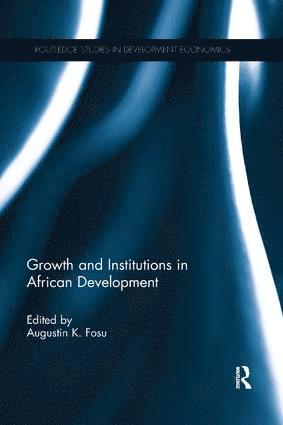
Mer från samma serie
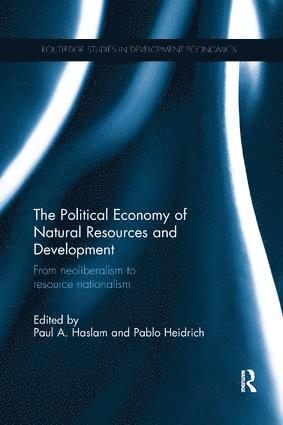
Political Economy of Natural Resources and Development
Paul A. Haslam, Pablo Heidrich
Häftad, 2018
959 kr
Peripheral Visions of Economic Development
Mario Garcia-Molina, Hans-Michael Trautwein
Häftad, 2018
959 kr
Microfinance, Debt and Over-Indebtedness
Isabelle Guérin, Solène Morvant-Roux, Magdalena Villarreal
Häftad, 2018
989 kr
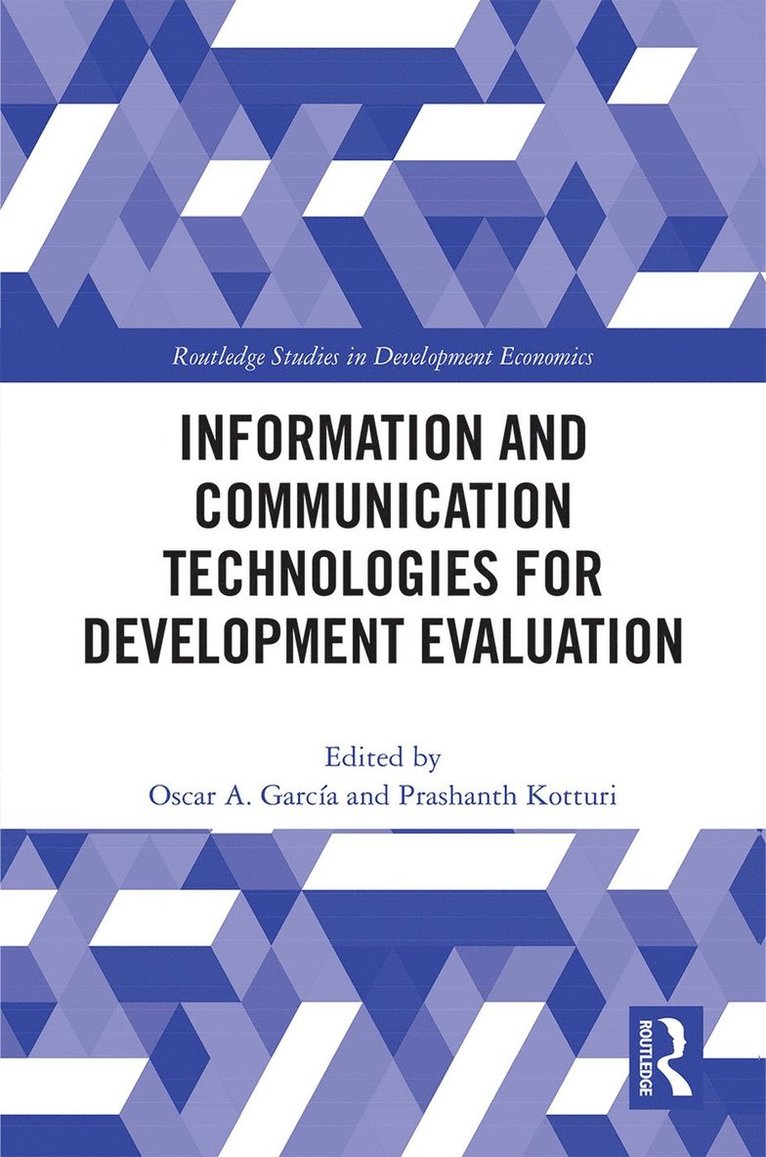
Information and Communication Technologies for Development Evaluation
Oscar A. García, Prashanth Kotturi
Inbunden, 2019
3 319 kr
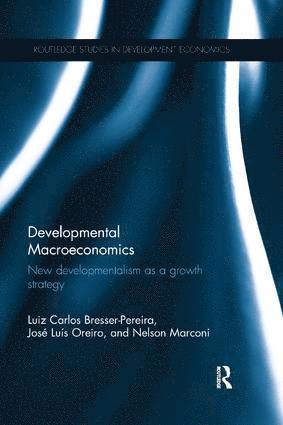
Developmental Macroeconomics
Luiz Carlos Bresser-Pereira, José Luís Oreiro, Nelson Marconi
Häftad, 2019
1 049 kr
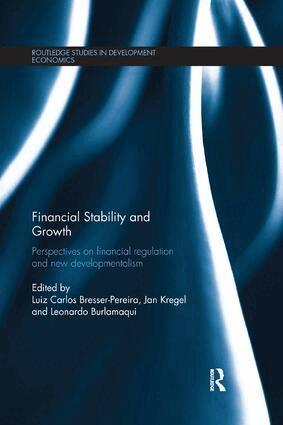
Financial Stability and Growth
Luiz Carlos Bresser-Pereira, Jan Kregel, Leonardo Burlamaqui
Häftad, 2018
989 kr
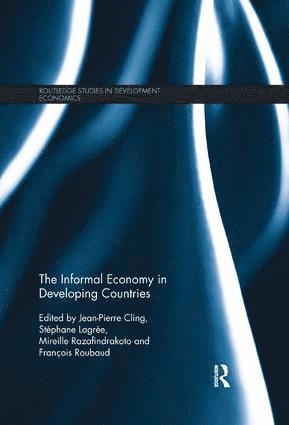
Informal Economy in Developing Countries
Jean-Pierre Cling, Stéphane Lagrée, Mireille Razafindrakoto, François Roubaud
Häftad, 2018
989 kr
Hoppa över listan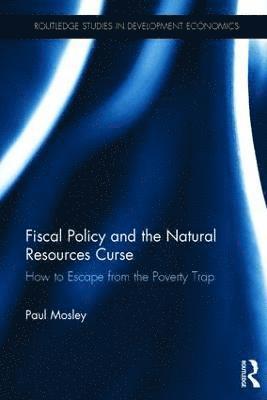

Du kanske också är intresserad av
The Politics of Poverty Reduction
Paul Mosley, Blessing Chiripanhura, Jean Grugel, Ben Thirkell-White
Inbunden, 2012
3 649 kr