
Del i serien Routledge International Studies in Business History
Entrepreneurship in the Age of Empire
Colonialism, Collaboration and Exploitation
Häftad, Engelska, 2022
909 kr
Beställningsvara. Skickas inom 10-15 vardagar. Fri frakt för medlemmar vid köp för minst 249 kr.
Finns i fler format (1)
Exploring the interplay of politics and commerce in one of the most dynamic periods of British history, this book traces the fortunes of the India and Eastern Trading Company Limited, established in 1906 to finance a jute plantation in Assam, north-east India. In a watershed period for commercial culture, as family capitalism and industrial economics gave way to a predominance of speculative investment and the marketing of ideas, analysis of this London-registered company and its international management forms a lens through which to view the broader socio-political and economic environment of the late-Victorian period to the interwar. Mapping the eclectic bonds that created a network of association between a multinational cast of merchants, company promoters, mining engineers, politicians and industrialists, reveals the multiplicity of strands which coalesced to create one share company. By examining their responses to the opportunities created by colonialism: to enabling legislations and set-backs, to competition and collaboration, internationalism versus rising nationalism, an important era in British history is examined from an entirely fresh perspective. The history of the India and Eastern Trading Company Limited is a tale of cloaked agendas, of land speculation under the guise of colonial agriculture, of German and Russian interests embedded in British-empire prospects, which exposes the intrigues of some of the most infamous imperialists of the era; figures who were the subject of intense academic scrutiny throughout the twentieth century and remain at the forefront of impassioned debate in the twenty first.
Produktinformation
- Utgivningsdatum2022-08-01
- Mått152 x 229 x 22 mm
- Vikt520 g
- FormatHäftad
- SpråkEngelska
- SerieRoutledge International Studies in Business History
- Antal sidor280
- FörlagTaylor & Francis Ltd
- ISBN9780367513573
Tillhör följande kategorier
Hoppa över listan









Mer från samma serie
Pervasive Powers
Sara Angeli Aguiton, Marc-Olivier Déplaude, Nathalie Jas, Emmanuel Henry, Valentin Thomas
Inbunden, 2021
3 309 kr
Pervasive Powers
Sara Angeli Aguiton, Marc-Olivier Déplaude, Nathalie Jas, Emmanuel Henry, Valentin Thomas
Häftad, 2023
889 kr
Hoppa över listan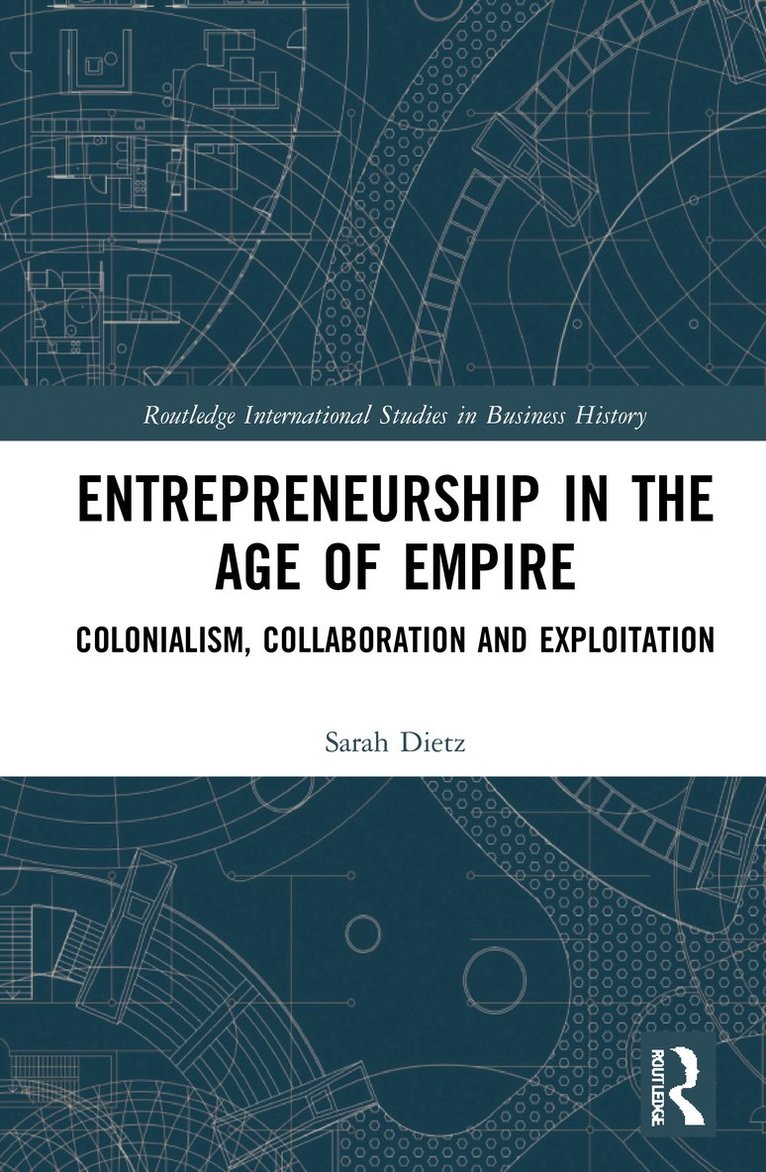









Du kanske också är intresserad av
- Nyhet
Del 3
- Nyhet
Del 11
- Nyhet
Del 4
- Nyhet
Del 6
Del 1
Del 3