
Del i serien Routledge Studies in Modern European History
Discussing Pax Germanica
The Rise and Limits of German Hegemony in European Integration
Inbunden, Engelska, 2024
3 379 kr
Beställningsvara. Skickas inom 10-15 vardagar. Fri frakt för medlemmar vid köp för minst 249 kr.
Finns i fler format (1)
Discussing Pax Germanica: The Rise and Limits of German Hegemony in European Integration examines and reconsiders Germany’s paramount role in shaping European integration from the aftermath of World War II to the present. This volume meticulously explores the ascendancy of Germany to a dominant position in European politics and economics. It critically engages with the concept of hegemony, delineating Germany’s influence on the development of the European Union and its resemblance to historical precedents in German history like the Holy Roman Empire. Methodologically, the book integrates archival research with contemporary literature to craft a narrative that is both historically grounded and relevant to current European affairs. The work stands out for its exploration of Germany’s strategic use of economic power and political diplomacy to shape the European Union according to its interests while facing inherent limitations and challenges, such as the eurozone crisis, migration policies, energy dependency, and foreign policy towards Russia. Targeting a diverse audience of both scholars and non-specialists, this book is particularly relevant for those interested in European politics, German history, and international relations.
Produktinformation
- Utgivningsdatum2024-10-08
- Mått156 x 234 x 20 mm
- Vikt670 g
- FormatInbunden
- SpråkEngelska
- SerieRoutledge Studies in Modern European History
- Antal sidor262
- FörlagTaylor & Francis Ltd
- ISBN9781032792590
Tillhör följande kategorier
Hoppa över listan

Mer från samma författare
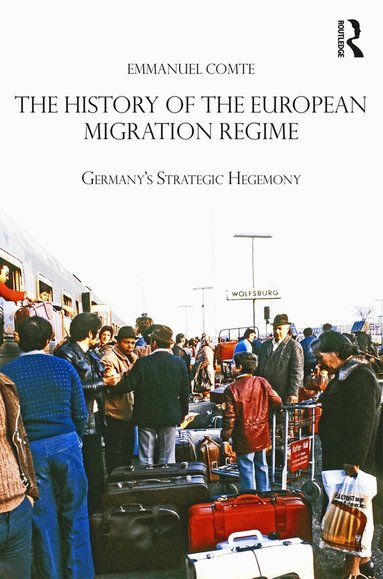
Global Migration Turn and the New International Order in the Long 1970s
Emmanuel Comte, Simone Paoli
Inbunden, 2026
3 349 kr
Hoppa över listan

Mer från samma serie
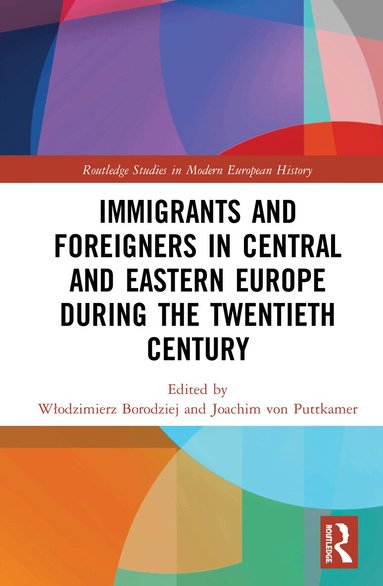
Immigrants and Foreigners in Central and Eastern Europe during the Twentieth Century
Włodzimierz Borodziej, Joachim von Puttkamer
Inbunden, 2020
3 379 kr
Hoppa över listan


Du kanske också är intresserad av
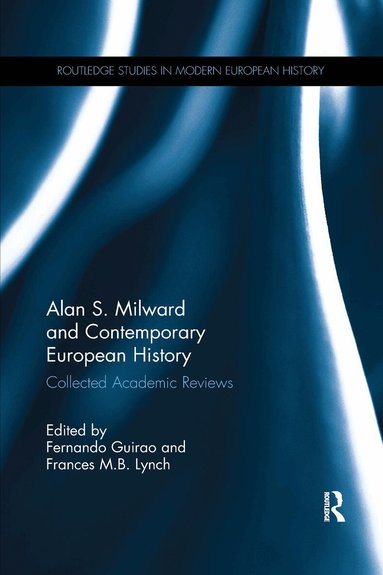
Alan S. Milward and Contemporary European History
Fernando Guirao, Frances M.B. Lynch
Inbunden, 2015
3 689 kr
Alan S. Milward and a Century of European Change
Fernando Guirao, Frances Lynch, Sigfrido M. Ramirez Perez
Inbunden, 2012
10 189 kr
Alan S. Milward and a Century of European Change
Fernando Guirao, Frances Lynch, Sigfrido M. Ramirez Perez
Häftad, 2017
1 019 kr
Alan S. Milward and Contemporary European History
Fernando Guirao, Frances M.B. Lynch
Häftad, 2020
619 kr
Global Migration Turn and the New International Order in the Long 1970s
Emmanuel Comte, Simone Paoli
Inbunden, 2026
3 349 kr
- Nyhet
Del 6