
Del i serien Studies in Popular Culture
Darts in England, 1900–39
A social history
Häftad, Engelska, 2012
489 kr
Beställningsvara. Skickas inom 5-8 vardagar. Fri frakt för medlemmar vid köp för minst 249 kr.
Finns i fler format (1)
Drawing on an eclectic range of primary and secondary sources Chaplin examines the development of darts in the context of English society in the early twentieth century.He reveals how darts was transformed during the interwar years to become one of the most popular recreations in England, not just amongst working class men and, to a lesser extent, working class women but even (to some extent) among the middle and upper classes. This book assesses the social, economic and cultural forces behind this transformation. This work also considers the growth of the darts manufacturing industry and assesses the overall effect the growing popularity of darts had on interwar society and popular culture, with particular reference to the changing culture and form of the English public house. This original study will be of interest to sports historians, social historians, business historians, sociologists and sports scientists.
Produktinformation
- Utgivningsdatum2012-11-01
- Mått156 x 234 x 15 mm
- Vikt390 g
- FormatHäftad
- SpråkEngelska
- SerieStudies in Popular Culture
- Antal sidor272
- FörlagManchester University Press
- ISBN9780719089046
Tillhör följande kategorier
Hoppa över listan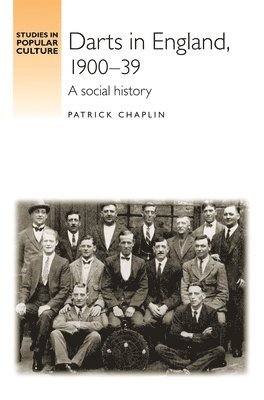







Du kanske också är intresserad av
- Nyhet
Del 7
- Nyhet
Del 11
- Nyhet
Del 4
- Nyhet
Del 6
- Nyhet
Del 3
- Nyhet