
Cry of the Poor
Liberation Ethics and Justice in Health Care
Häftad, Engelska, 2022
659 kr
Beställningsvara. Skickas inom 10-15 vardagar. Fri frakt för medlemmar vid köp för minst 249 kr.
This book offers an interdisciplinary effort to address global health issues grounded on a human rights framework seen from the perspective of those who are more vulnerable to be sick and die prematurely: the poor. Combining his scholarship and service in impoverished communities, the author examines the connection between poverty and health inequalities from an ethical perspective that considers contributions from different disciplines and the voices of the poor.
Produktinformation
- Utgivningsdatum2022-03-04
- Mått154 x 220 x 26 mm
- Vikt494 g
- FormatHäftad
- SpråkEngelska
- Antal sidor336
- FörlagBloomsbury Publishing Plc
- ISBN9781498592208
Tillhör följande kategorier
Hoppa över listan
Mer från samma författare
Del 10
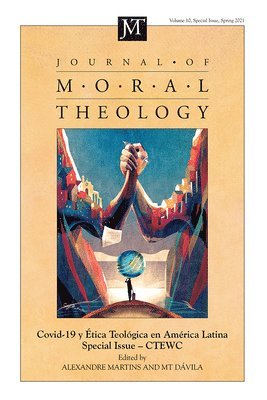
Journal of Moral Theology, Volume 10, Special Issue 2
Alexandre A Martins, Mt Dávila
Häftad, 2021
269 kr
Del 10
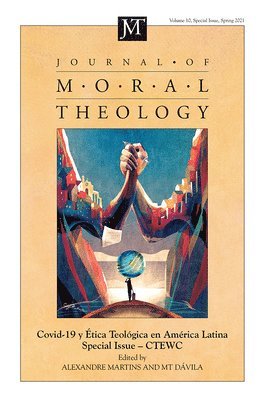
Journal of Moral Theology, Volume 10, Special Issue 2
Alexandre A Martins, Mt Dávila
Inbunden, 2021
449 kr
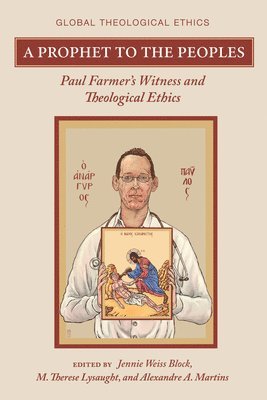
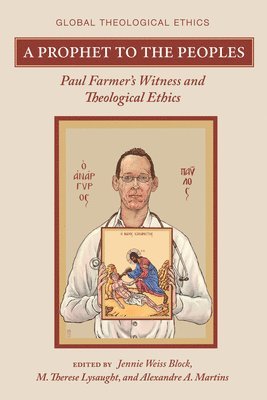
Prophet to the Peoples
Jennie Weiss Block, M Therese Lysaught, Alexandre A Martins
Inbunden, 2023
859 kr
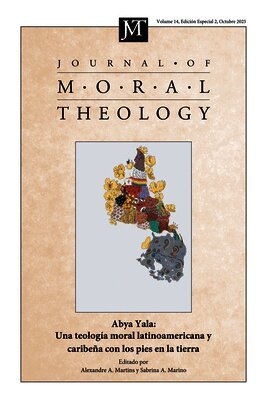
Journal of Moral Theology, Volume 14, Special Issue 2
Alexandre A Martins, Sabrina A Marino
Häftad, 2025
329 kr
Journal of Moral Theology, Volume 14, Special Issue 2
Alexandre A Martins, Sabrina A Marino
Inbunden, 2025
489 kr
