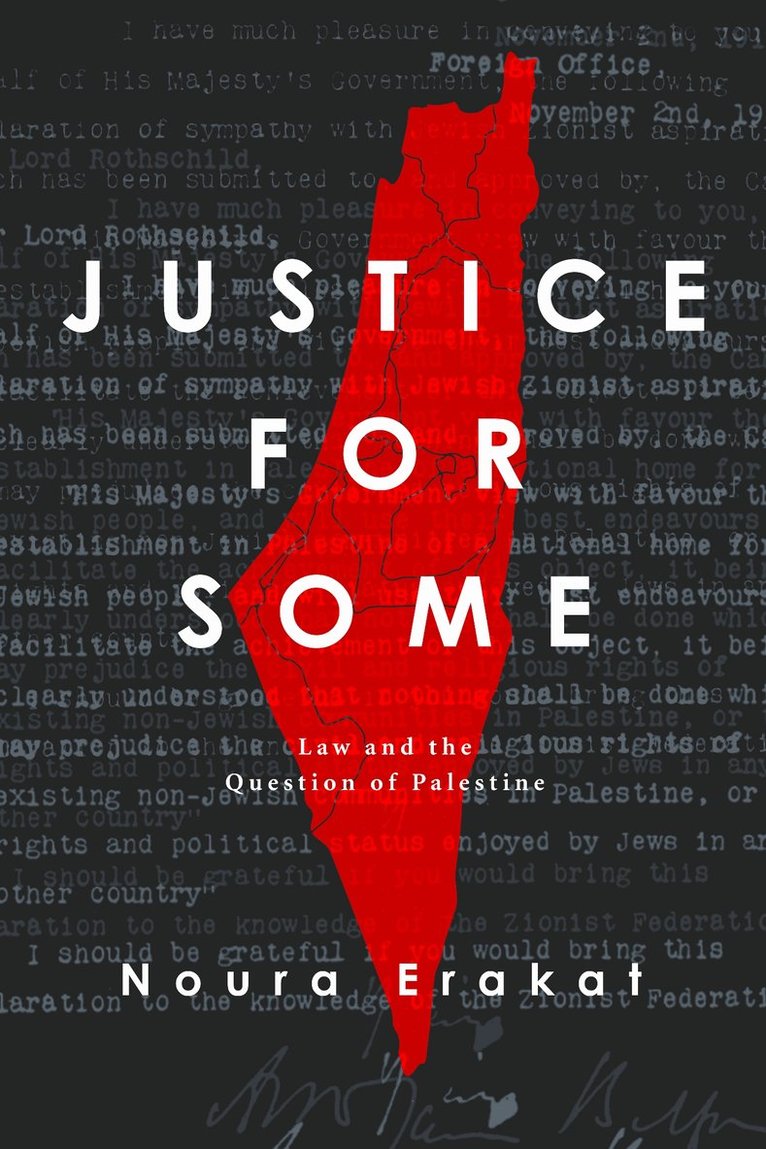
"Noura Erakat and John Reynolds's Confronting Zionism arrives just as many in the West are waking up to the reality of what Israeli apartheid, occupation, and genocide have wrought. It is a learned, cutting, and eminently readable text that guides its readers through the immoralities of Zionism and sketches a post-Zionism drawn from the struggles of the Palestinian people and the global struggle at large. This is an essential book for our era." —Ta-Nehisi Coates “One of the historical mistakes committed by the PLO leadership and many intellectuals after the 1970s was failing to center the struggle against Zionism, ending up entangled instead in geographic compromise and an illusion of state formation. This book takes a crucial step in undoing this misguided focus for the movement. Tracing the history of the Palestinian liberation project, this book demonstrates with principled clarity that Zionism is incompatible with justice and freedom.” —Ghassan Abu-Sittah “Confronting Zionism is a searing indictment of the Israeli apartheid state and the international legal and political institutions that sustain and normalize this regime. Sober and clear-eyed in their analysis of settler colonialism, yet hopeful about Palestinian resistance and anti-imperial solidarity, Erakat and Reynolds are steady guides in these dark times.” —Adom Getachew"Brimming with rage, hope, and strategy, Confronting Zionism offers an insightful history of ideology, intellectual traditions, popular movements, and law that equips us to act at the crossroads where we now stand. Erakat and Reynolds chart a radical path forward through Zionism’s genocidal present and toward the necessity of Palestinian liberation." —Sherene Seikaly"Anyone still not convinced that Zionism is a colonial and racializing project must read this book. Drawing on prodigious historical research and legal analyses, Noura Erakat and John Reynolds show precisely how Zionism was the ideological justification for seizing land and eliminating the indigenous inhabitants—by dispossession, physical annihilation, and historical erasure. Zionism, in other words, was genocidal from its inception, and the consequences of its violent subjugation of Palestinians extends beyond Palestine itself. But they also document more than a century of Palestinian resistance and make the case for the only viable solution: decolonization, a return of the people and the land, and Zionism’s demise." —Robin D. G. Kelley"With international recognition of a subservient state of Palestine and the resuscitation of normalization efforts with Israel amid an ongoing genocide, this powerful book by Noura Erakat and John Reynolds offers the clarity that we all need to confront and dismantle Zionism and settler colonialism everywhere. Rather than liberal human rights and international law frameworks that domesticate Palestine, this precise and unapologetic opus definitively argues that the struggle for Palestinian liberation is an anti-=colonial, anticapitalist, global struggle that liberates us all. This book is a must-read for this pivotal time against colonial fascism." —Harsha Walia “Both a history of Palestine under international law and a history of international law from the standpoint of Palestine, this book makes the all-too-crucial case that there can be no understanding of Palestine (legal or otherwise) without centering the power dynamics emanating from empire and colonialism. A book you will wish everyone would read.” —Hazem Jamjoum “While exposing the coloniality of international law, Erakat and Reynolds argue that it is still a terrain of contestation, not a fait accompli. Through the agency of mass movements and broad anticolonial coalitions fighting for justice, legal tactics can bolster transformative, emancipatory strategies, including in the struggle for Palestinian liberation. This valuable and timely book contextualizes Israel’s genocide, apartheid, and illegal military occupation in the decades-old regime of Zionist settler-colonialism, which has consistently sought the elimination of the Indigenous people of Palestine—piecemeal or wholesale, depending on the circumstances. Only decolonization, then, can end all these manifestations of the root cause.” —Omar BarghoutiPraise for Justice for Som"Noura Erakat's incisive exploration of the role of law in shaping the development of Israel/Palestine reveals the consistent genuflection of international legal institutions to Israel's reliance on well-established colonial practices. She also forcefully argues that the skillful use of international law as a tool of struggle can be generative of hope and possibility—for Palestine and the world. Justice for Some is precisely the book we need at this time."—Angela Y. Davis, author of Freedom Is a Constant Struggle: Ferguson, Palestine, and the Foundations of a Movement"A radical rethinking of the role of law and legal advocacy in the struggle for Palestinian rights. Noura Erakat tells how a refugee problem became a national liberation movement, and the tragic story of how initiative and momentum were squandered after Oslo. Brilliant, inspiring, coldly realistic—and hopeful."—Duncan Kennedy, Carter Professor of General Jurisprudence Emeritus, Harvard Law School"Without any doubt, Justice for Some is the best book on the law and politics of the Palestine/Israel struggle—sophisticated, learned, humane, and creative. Noura Erakat makes a profound contribution to our general understanding of the paradoxical role of law in the contemporary world."—Richard Falk, Former UN Special Rapporteur for Palestine, author of Palestine's Horizon: Toward a Just Peace"Anyone wondering how and why international law has failed so miserably to curb Israeli violations in Palestine and the deleterious effect this has had on the law itself should read this book. Noura Erakat communicates...with the skill of a lawyer and the passion of an activist. Justice for Some is both enriching and inspiring."—Raja Shehadeh, founder of Al-Haq, author of Where the Line Is Drawn: A Tale of Crossings, Friendships, and Fifty Years of Occupation in Israel-Palestine"Noura Erakat brings a sophisticated understanding of the role of international law over the last century in the Question of Palestine. This brilliant book will be of great interest to anyone seeking to understand why the outcome, thus far, to the disposition of the Palestine problem has not been a just one."—Rashid Khalidi, author of The Hundred Years' War on Palestine: Settler-Colonial Conquest and Resistance, 1917-2017"Erakat's dissection of these legal and political histories is careful and captivating....This book asks that the Palestinian liberation struggle and Jewish-Israeli society each reckon with the impossibility of a two-state future, reimagining what their interests are—and what they could become. In rejecting the zero-sum formula's inevitability, Erakat sees, and demands, an alternative."—Amanda McCaffrey, Jewish CurrentsPraise for Empire, Emergency and International Law'This is a book which tackles complex questions with serious depth, while remaining accessible to the reader. It is grounded not only in legal theory, history and politics but is also informed by perspectives of on-the-ground activism and awareness of social change.' —Úna Ní Raifeartaigh, Judge of the High Court of Ireland'John Reynolds has written a book of immense importance in at least three distinct areas of law: legal history, international law and comparative law. Empire, Emergency, and International Law is the corrective to the ahistorical and wrong-headed debate we have been subject to for far too long. It is an indispensable book that should serve as a frame of reference for any study on the law of emergency.' —Wadie Said, Journal of Conflict & Security Law