
Conceptualism in Latin American Art
Didactics of Liberation
Häftad, Engelska, 2007
369 kr
Skickas . Fri frakt för medlemmar vid köp för minst 249 kr.
Conceptualism played a different role in Latin American art during the 1960s and 1970s than in Europe and the United States, where conceptualist artists predominantly sought to challenge the primacy of the art object and art institutions, as well as the commercialization of art. Latin American artists turned to conceptualism as a vehicle for radically questioning the very nature of art itself, as well as art's role in responding to societal needs and crises in conjunction with politics, poetry, and pedagogy. Because of this distinctive agenda, Latin American conceptualism must be viewed and understood in its own right, not as a derivative of Euroamerican models.In this book, one of Latin America's foremost conceptualist artists, Luis Camnitzer, offers a firsthand account of conceptualism in Latin American art. Placing the evolution of conceptualism within the history Latin America, he explores conceptualism as a strategy, rather than a style, in Latin American culture. He shows how the roots of conceptualism reach back to the early nineteenth century in the work of SÍmon RodrÍguez, SÍmon BolÍvar's tutor. Camnitzer then follows conceptualism to the point where art crossed into politics, as with the Argentinian group TucumÁn arde in 1968, and where politics crossed into art, as with the Tupamaro movement in Uruguay during the 1960s and early 1970s. Camnitzer concludes by investigating how, after 1970, conceptualist manifestations returned to the fold of more conventional art and describes some of the consequences that followed when art evolved from being a political tool to become what is known as "political art."
Produktinformation
- Utgivningsdatum2007-06-01
- Mått205 x 255 x 28 mm
- Vikt1 370 g
- FormatHäftad
- SpråkEngelska
- Antal sidor364
- FörlagUniversity of Texas Press
- ISBN9780292716292
Tillhör följande kategorier
Hoppa över listan

Mer från samma författare
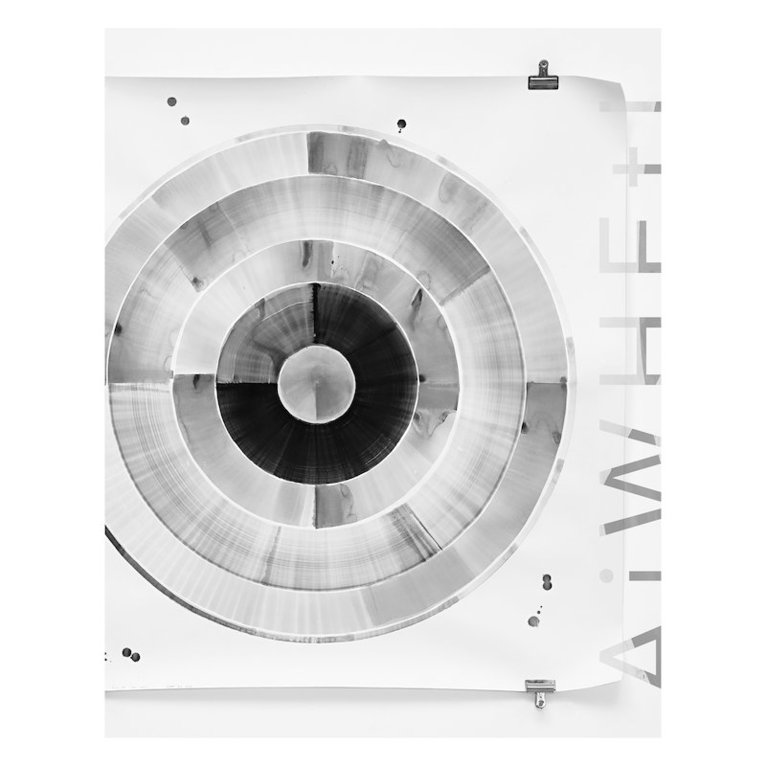
Sophie Tottie : Aiwhetl (catalogue and related works)
Mårten Arndtzén, Magnus Bons, Connie Butler, Luis Camnitzer, Sophie Tottie
Häftad, 2023
419 kr
Hoppa över listan






Du kanske också är intresserad av
Sophie Tottie : Aiwhetl (catalogue and related works)
Mårten Arndtzén, Magnus Bons, Connie Butler, Luis Camnitzer, Sophie Tottie
Häftad, 2023
419 kr
- Nyhet
- Nyhet
Del 4
- Nyhet
Del 11
- Nyhet
Del 3
- Nyhet
- Nyhet
Del 6
- Nyhet
Del 4