
Task-Based Language Learning and Teaching with Technology
Inbunden, Engelska, 2010
3 029 kr
Beställningsvara. Skickas inom 10-15 vardagar. Fri frakt för medlemmar vid köp för minst 249 kr.
Finns i fler format (1)
This title examines widespread interest in new technology-enhanced learning environments and how they are being used to promote task-based learning. This edited collection considers the relationship between task-based language teaching (TBLT) and technology-enhanced learning. TBLT is concerned with a number of macro-tasks such as information gathering and problem-solving as well as evaluative tasks, all of which are increasingly available via online and Web-based technologies. "Technology Enhanced Learning" refers to a broad conception of technology use in the language classroom and incorporates a range of interactive learning technologies such as Interactive Whiteboards and mobile learning devices. The popularity of Web 2.0 technologies (blogs, wikis, social networking sites, podcasting, and virtual worlds), as well as practical applications of mobile learning, place a fresh emphasis on creating project-orientated language learning tasks with a clear real-world significance for learners of foreign languages. This book examines the widespread interest in these new technology-enhanced learning environments and looks at how they are being used to promote task-based learning.This book will appeal to practitioners and researchers in applied linguistics, second language acquisition and education studies.
Produktinformation
- Utgivningsdatum2010-11-11
- Mått156 x 234 x 19 mm
- Vikt564 g
- FormatInbunden
- SpråkEngelska
- Antal sidor272
- FörlagContinuum Publishing Corporation
- ISBN9781441101532
Tillhör följande kategorier
Hoppa över listan


Mer från samma författare
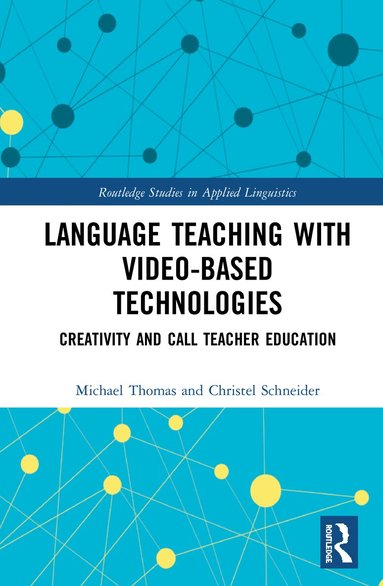
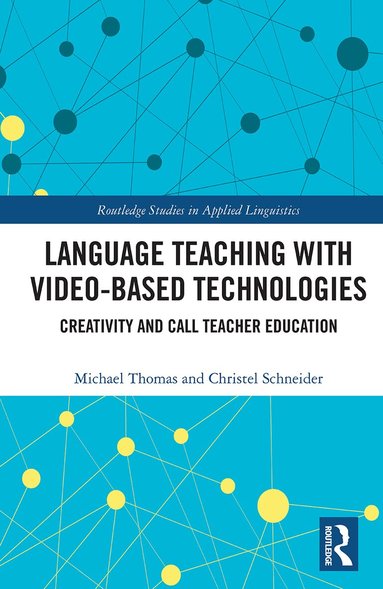
Language Teaching with Video-Based Technologies
Michael Thomas, Christel Schneider
Inbunden, 2020
3 149 kr
Hoppa över listan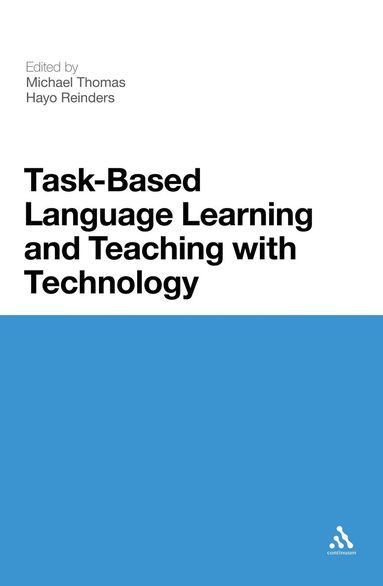






Du kanske också är intresserad av
Task-Based Language Learning and Teaching with Technology
Michael Thomas, Hayo Reinders
Häftad, 2012
699 kr
Contemporary Computer-Assisted Language Learning
Michael Thomas, Hayo Reinders, Mark Warschauer
Häftad, 2014
859 kr
Contemporary Computer-Assisted Language Learning
Michael Thomas, Hayo Reinders, Mark Warschauer
Inbunden, 2012
3 559 kr
- Nyhet
Del 1
- Nyhet
Del 7
- Nyhet
Del 6
- Nyhet
- Nyhet
- Nyhet
Del 4