
Del i serien For Dummies
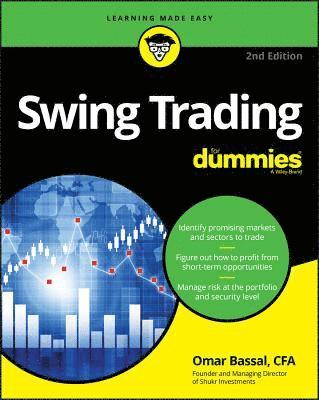
Swing Trading For Dummies
Häftad, Engelska, 2024
379 kr
Beställningsvara. Skickas inom 5-8 vardagar. Fri frakt för medlemmar vid köp för minst 249 kr.
Learn how to maximize profits and minimize risks trading over the short term Swing Trading For Dummies introduces you to a trading methodology designed to generate big profits in the short term. Unlike buy and hold investing, Swing Traders endeavor to enter a stock at the precise moment a major uptrend begins and exit for a large profit a few weeks or months later. In order to achieve this result, Swing Trading For Dummies covers the tools you need to get up and running as a trader before moving on to the two main analysis techniques swing traders rely upon: technical analysis and fundamental analysis. These two analysis techniques can be combined to maximize the chances of a successful trade. But no one is perfect, and the savvy swing trader must have a comprehensive risk management plan to deal with trades that fail to launch. New in this update to Swing Trading for Dummies is material on the types of positive catalysts a trader should look for to enter a trade, the best way to trade earnings reports, swing trading cryptocurrencies and why you should avoid investing in banking stocks. Learn how swing trading can generate profits in a short period of timeIdentify the most attractive opportunities and when to buy themAvoid the common mistakes that sink many novicesManage risk and set yourself up for successFor new and seasoned investors looking for a comprehensive and trusted reference on swing trading, this Dummies guide is the perfect solution.
Produktinformation
- Utgivningsdatum2024-12-12
- Mått188 x 234 x 25 mm
- Vikt476 g
- FormatHäftad
- SpråkEngelska
- SerieFor Dummies
- Antal sidor368
- Upplaga3
- FörlagJohn Wiley & Sons Inc
- ISBN9781394288427
Tillhör följande kategorier
Hoppa över listan


Mer från samma serie
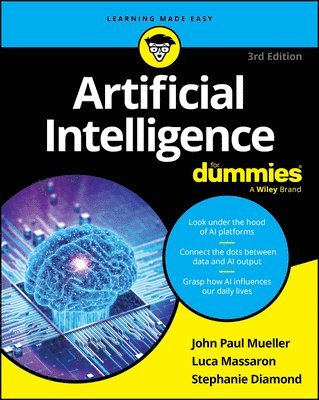
Artificial Intelligence For Dummies
John Paul Mueller, Luca Massaron, Stephanie Diamond
Häftad, 2024
399 kr
Agile Project Management For Dummies
Mark C. Layton, Steven J. Ostermiller, Dean J. Kynaston
Häftad, 2025
309 kr
Hoppa över listan








Du kanske också är intresserad av
- Nyhet
- Nyhet
- Nyhet
Del 4
Del 1
- Nyhet
Del 11
- Nyhet
Del 6
Del 3
Del 2