
Spaces of Crisis and Critique
Heterotopias Beyond Foucault
Häftad, Engelska, 2020
629 kr
Beställningsvara. Skickas inom 10-15 vardagar. Fri frakt för medlemmar vid köp för minst 249 kr.
Finns i fler format (1)
In Of Other Spaces Foucault coined the term “heterotopias” to signify “all the other real sites that can be found within the culture" which "are simultaneously represented, contested, and inverted.” For Foucault, heterotopic spaces were first of all spaces of crisis, or transformative spaces, however these have given way to heterotopias of deviation and spaces of discipline, such as psychiatric hospitals or prisons.Foucault's essay provokes us to think through how spaces of crisis and critique function to open up disruptive, subversive or minoritarian fields within philosophical, political, cultural or aesthetic discourses. This book takes this interdisciplinary and international approach to the spatial, challenging existing borders, boundaries, and horizons; from Claire Colebrook's chapter unpacking the heterotopic spaces of America and Mexico that lie beyond reductive ideological spaces of light and darkness, to a Foucauldian reading of the Zapatista resistance.With essays on politics, philosophy, literature, post-colonial studies, and aesthetics from established and emerging academics, this book answers Foucault's call to give us a better understanding of our present cultural epoch.
Produktinformation
- Utgivningsdatum2020-03-19
- Mått156 x 234 x 10 mm
- Vikt263 g
- FormatHäftad
- SpråkEngelska
- Antal sidor176
- FörlagBloomsbury Publishing PLC
- ISBN9781350155299
Tillhör följande kategorier
Hoppa över listan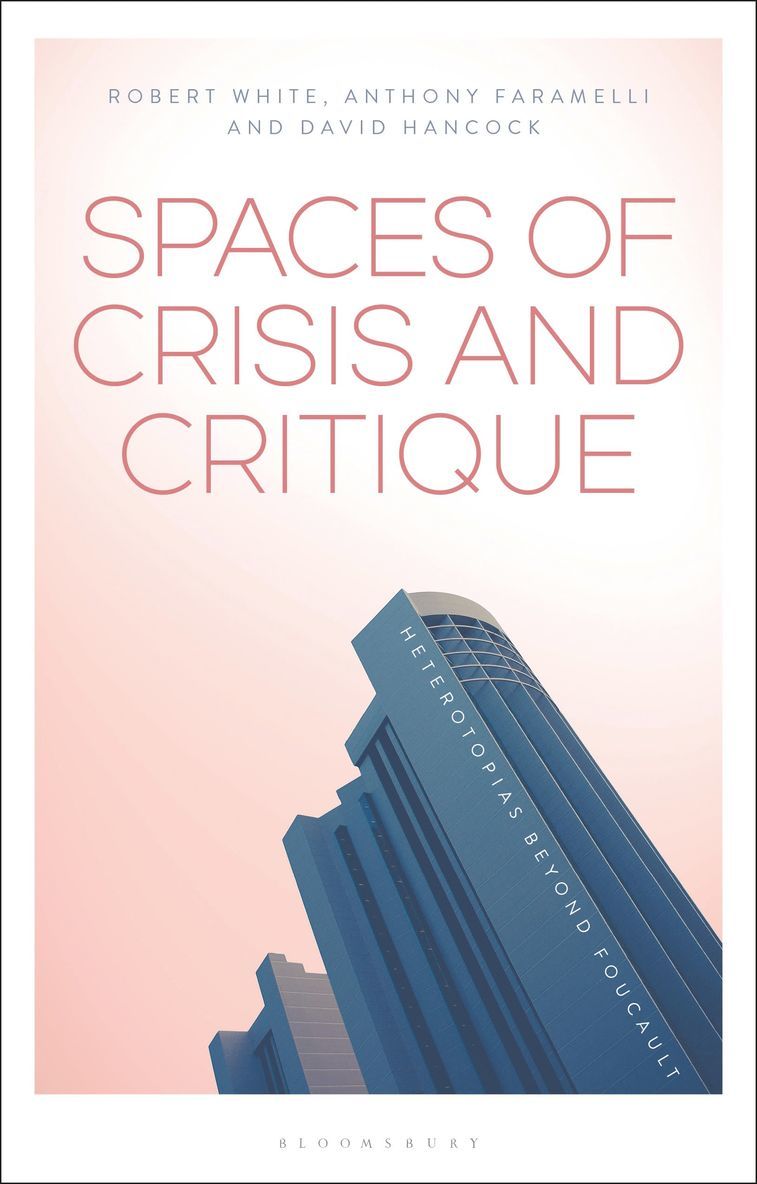






Du kanske också är intresserad av
Spaces of Crisis and Critique
Anthony Faramelli, David Hancock, Robert G. White
Inbunden, 2018
2 369 kr