
Researching Digital Media and Society
Inbunden, Engelska, 2024
2 669 kr
Beställningsvara. Skickas inom 3-6 vardagar. Fri frakt för medlemmar vid köp för minst 249 kr.
Finns i fler format (1)
We live in an increasingly digitised society. In an age of digital identities, rapid developments in Artificial Intelligence and ever more sophisticated software available, our methods for researching digital media must be flexible and adaptable. This book will help you to understand why researchers in this field choose and use particular research methods, equipping you to put these methods into practice across the whole range of undergraduate media courses. This book shows you how research methods can help us to make sense of the myriad of information we encounter online every day, from Tiktok influencers to viral Twitter posts. Complete with case studies in each chapter, the book covers both well-established methods, such as network analysis, and cutting-edge ones, such as interface analysis. It provides a crucial foundation for research in digital media, demonstrating the scope and potential of these tools. The book adopts an easy-to-navigate structure, taking you through specific methods in a systematic way. It shows you examples of classic uses of each method, and directs you towards further resources after each chapter.
Produktinformation
- Utgivningsdatum2024-01-24
- Mått170 x 242 x 19 mm
- Vikt600 g
- FormatInbunden
- SpråkEngelska
- Antal sidor264
- Upplaga1
- FörlagSAGE Publications
- ISBN9781529605174
Tillhör följande kategorier
Hoppa över listan



Mer från samma författare
Digitala metoder i humaniora och samhällsvetenskap
Johan Jarlbrink, Fredrik Norén, André Baltz, Karl Berglund, Eric Carlsson, Coppélie Cocq, Maria Eriksson, David Gunnarsson Lorentzen, Evelina Liliequist, Jens Lindberg, Simon Lindgren, Anna Sofia Lundgren, Patrick Prax, Paulina Rajkowska, Emil Stjernholm, Mathilda Åkerlund
Häftad, 2021
729 kr
Introduktion till samhällsvetenskaplig analys, 2 uppl
Mikael Hjerm, Simon Lindgren, Marco Nilsson
Häftad, 2014
389 kr
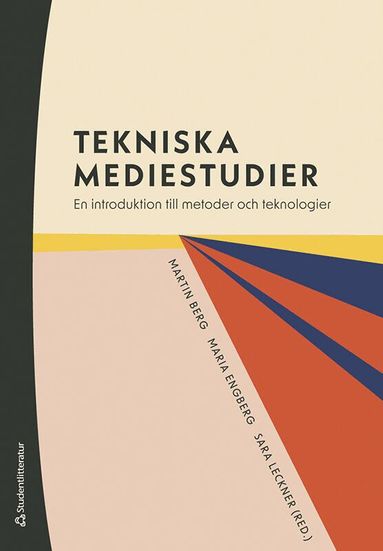
Tekniska mediestudier : en introduktion till metoder och teknologier
Martin Berg, Maria Engberg, Sara Leckner, Jonas Andersson, Jay David Bolter, Òscar Coromina Rodriguez, Jutta Haider, Fredrik Håland Jensen, Simon Lindgren, Lars Nyre, Linda Paxling, Olof Sundin, Jakob Svensson, Pontus Wärnestål
Häftad, 2023
599 kr
Nya uppväxtvillkor : samhälle och individ i förändring
Thomas Johansson, Simon Lindgren, Anette Hellman
Häftad, 2013
639 kr
Hoppa över listan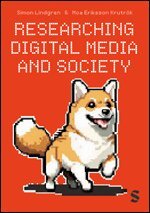


Du kanske också är intresserad av
Del 35
TikTok : kulturella perspektiv
Gabriella Nilsson, Sara Tanderup Linkis, Janicke Andersson, Crystal Abidin, Bondy Valdovinos Kaye, Anders Reuter, Kristofer Hansson, Sara Kärrholm, Moa Eriksson Krutrök, Gurbet Peker, Fannie Frederikke Baden, Charlotte Hagström
Häftad, 2025
419 kr
Digitala metoder i humaniora och samhällsvetenskap
Johan Jarlbrink, Fredrik Norén, André Baltz, Karl Berglund, Eric Carlsson, Coppélie Cocq, Maria Eriksson, David Gunnarsson Lorentzen, Evelina Liliequist, Jens Lindberg, Simon Lindgren, Anna Sofia Lundgren, Patrick Prax, Paulina Rajkowska, Emil Stjernholm, Mathilda Åkerlund
Häftad, 2021
729 kr
Nya uppväxtvillkor : samhälle och individ i förändring
Thomas Johansson, Simon Lindgren, Anette Hellman
Häftad, 2013
639 kr
Digital politik : sociala medier, deltagande och engagemang
Eric Carlsson, Bo Nilsson, Simon Lindgren, Anders Johansson, Jonas Andersson Schwarz, Anna Johansson, Anders Olof Larsson, Linda Berg, Maria Carbin, Stefan Gelfgren, Jenny Gunnarsson Payne
Häftad, 2015
259 kr
Del 88