
Reconciliation, Justice, and Coexistence
Theory and Practice
Häftad, Engelska, 2001
909 kr
Beställningsvara. Skickas inom 10-15 vardagar. Fri frakt för medlemmar vid köp för minst 249 kr.
Finns i fler format (1)
Since the end of the Cold War several political agreements have been signed in attempts to resolve longstanding conflicts in such volatile regions as Northern Ireland, Israel-Palestine, South Africa, and Rwanda. This is the first comprehensive volume that examines reconciliation, justice, and coexistence in the post-settlement context from the levels of both theory and practice. Mohammed Abu-Nimer has brought together scholars and practitioners who discuss questions such as: Do truth commissions work? What are the necessary conditions for reconciliation? Can political agreements bring reconciliation? How can indigenous approaches be utilized in the process of reconciliation? In addition to enhancing the developing field of peacebuilding by engaging new research questions, this book will give lessons and insights to policy makers and anyone interested in post-settlement issues.
Produktinformation
- Utgivningsdatum2001-05-16
- Mått157 x 227 x 29 mm
- Vikt567 g
- FormatHäftad
- SpråkEngelska
- Antal sidor384
- FörlagBloomsbury Publishing Plc
- ISBN9780739102688
Tillhör följande kategorier
Hoppa över listan
Mer från samma författare
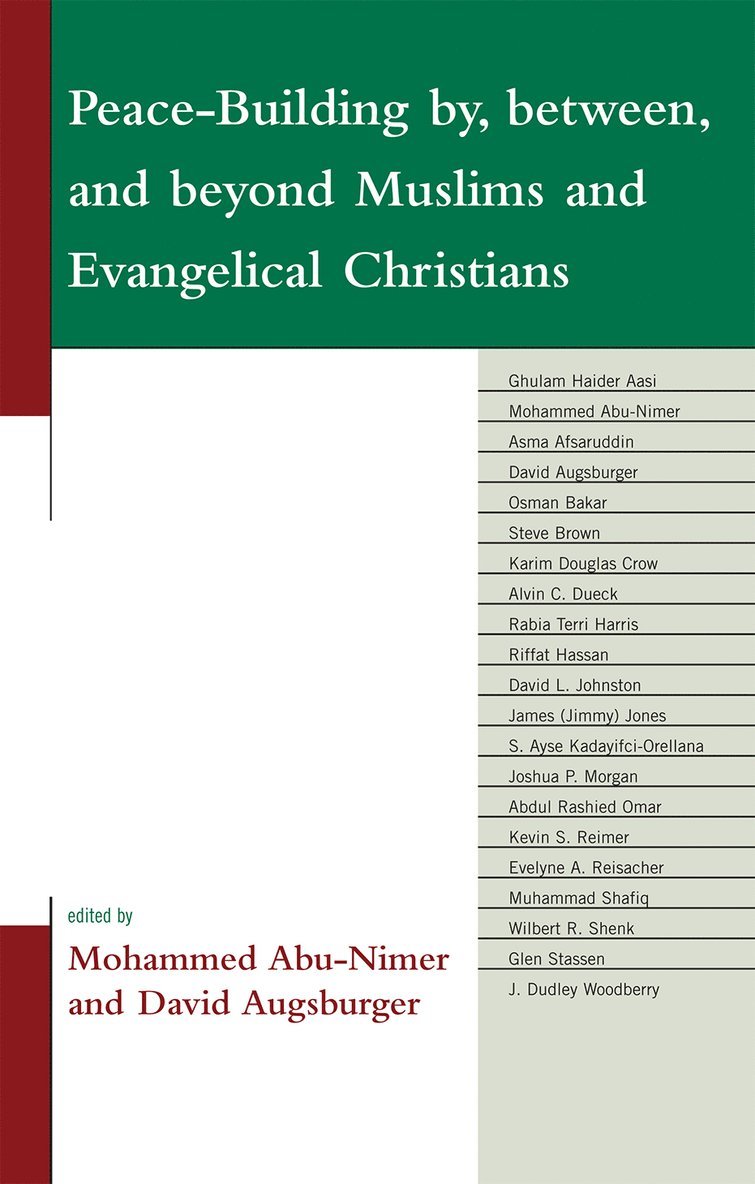
Peace-Building by, between, and beyond Muslims and Evangelical Christians
Mohammed Abu-Nimer, David Augsburger
Inbunden, 2009
2 169 kr
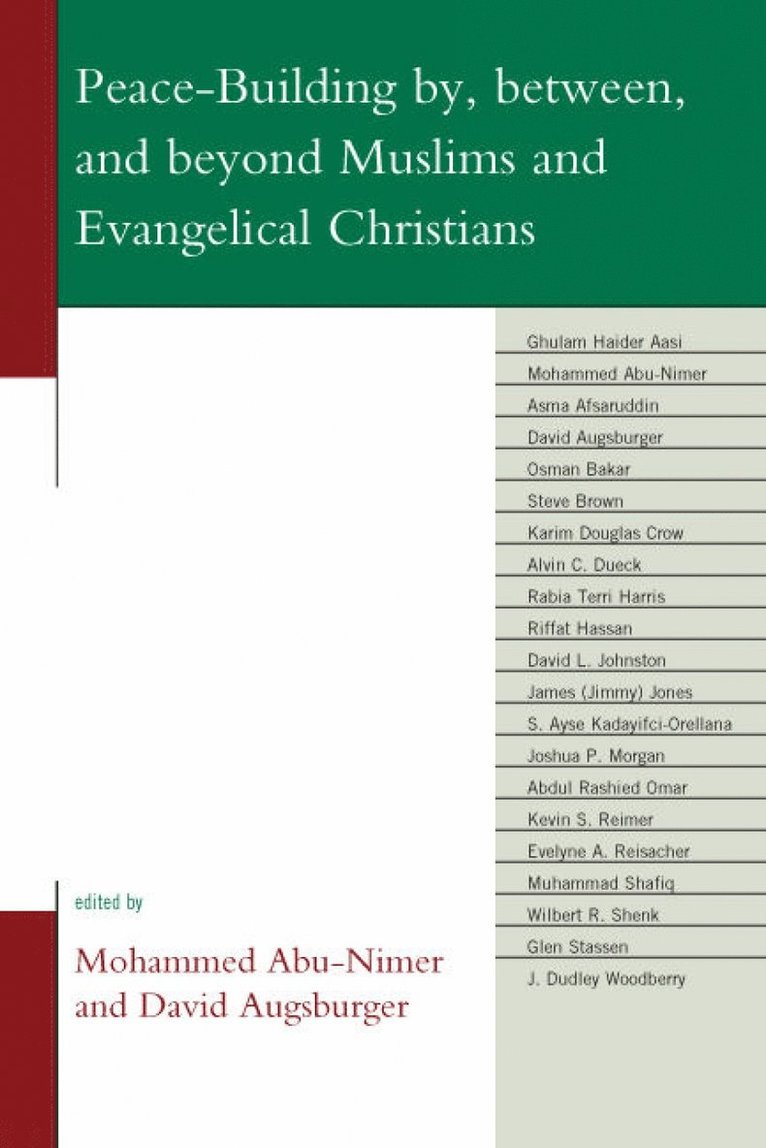
Peace-Building by, between, and beyond Muslims and Evangelical Christians
Mohammed Abu-Nimer, David Augsburger
Häftad, 2010
909 kr
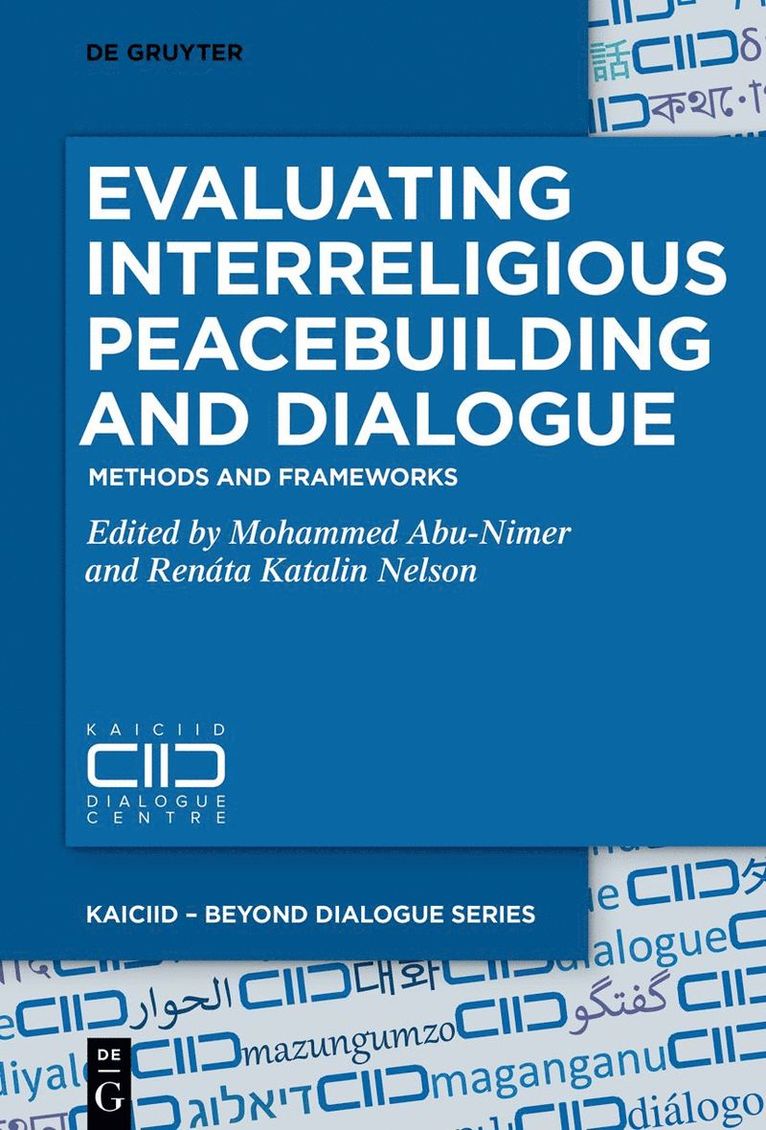
Evaluating Interreligious Peacebuilding and Dialogue
Mohammed Abu-Nimer, Renáta Katalin Nelson
Inbunden, 2021
1 419 kr
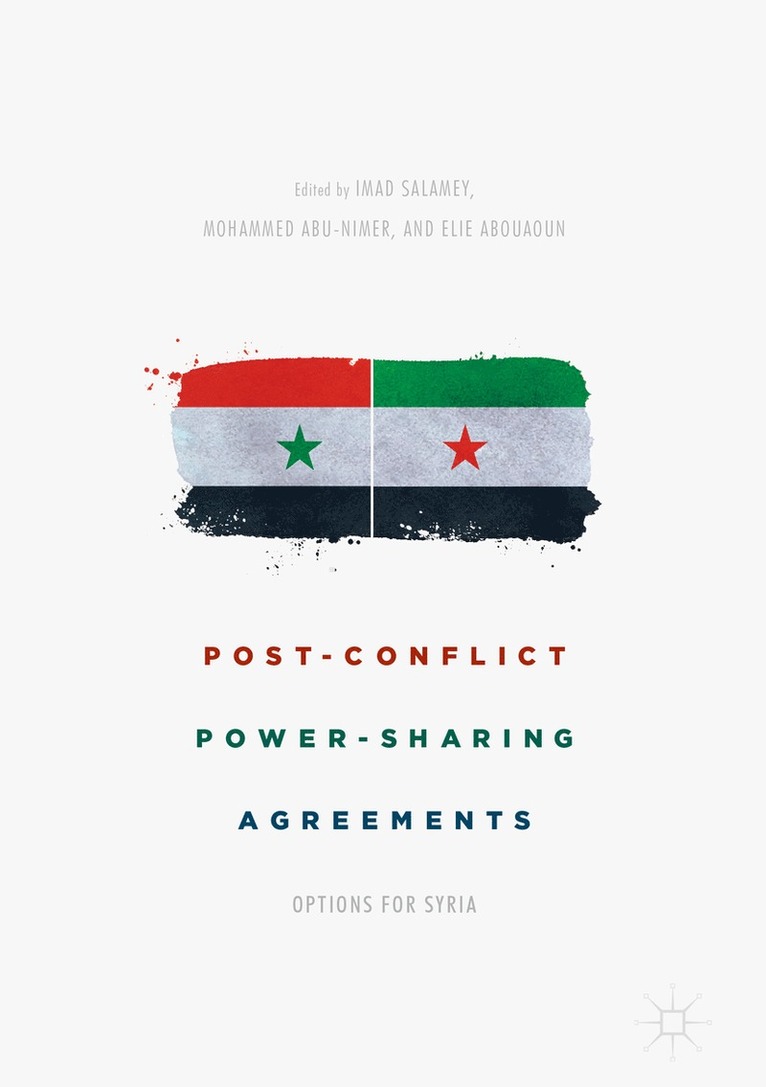
Post-Conflict Power-Sharing Agreements
Imad Salamey, Mohammed Abu-Nimer, Elie Abouaoun
Inbunden, 2017
1 439 kr
Hoppa över listan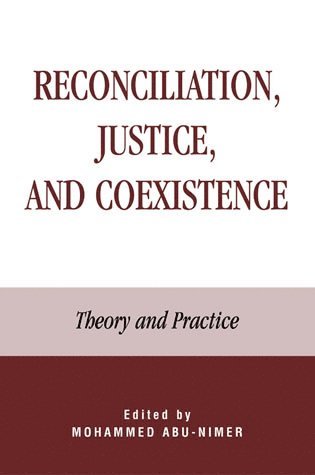
Du kanske också är intresserad av
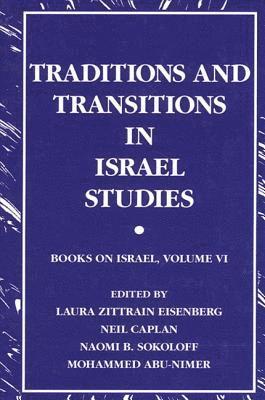
Traditions and Transitions in Israel Studies
Laura Zittrain Eisenberg, Neil Caplan, Naomi B. Sokoloff, Mohammed Abu-Nimer
Inbunden, 2002
1 439 kr
Peace-Building by, between, and beyond Muslims and Evangelical Christians
Mohammed Abu-Nimer, David Augsburger
Häftad, 2010
909 kr
Evaluating Interreligious Peacebuilding and Dialogue
Mohammed Abu-Nimer, Renáta Katalin Nelson
Inbunden, 2021
1 419 kr
Traditions and Transitions in Israel Studies
Laura Zittrain Eisenberg, Neil Caplan, Naomi B. Sokoloff, Mohammed Abu-Nimer
Häftad, 2002
549 kr
Post-Conflict Power-Sharing Agreements
Imad Salamey, Mohammed Abu-Nimer, Elie Abouaoun
Häftad, 2018
1 429 kr