
Radicalism and indifference
Memory transmission, political formation and modernization in Hungary and Europe
Häftad, Engelska, 2016
1 059 kr
Beställningsvara. Skickas inom 5-8 vardagar. Fri frakt för medlemmar vid köp för minst 249 kr.
Most theories of radicalization focus on the birth of antidemocratic ideas, semantics, behavior patterns and organizations. However, such focus is one-sided: radicalization is as much about the forgetting of historical lessons and the weakening of a democratic consensus, as the spreading of populist ideas. A case study of public and private processes of memory transmission in Hungary reveals how the ambiguous relation to modernization affects political formation: the failures provoke populist reactions, while the successes result in political indifference. The combination of these two political cultures creates a dangerous compound including both the opportunity for the birth of antidemocratic semantics and their ignorance. The author analyzes the potential of such «incubation of radicalism» on a European survey.
Produktinformation
- Utgivningsdatum2016-05-23
- Mått148 x 210 x 19 mm
- Vikt370 g
- FormatHäftad
- SpråkEngelska
- Antal sidor284
- Upplaga16001
- FörlagPeter Lang AG
- ISBN9783631674178
Tillhör följande kategorier
Hoppa över listan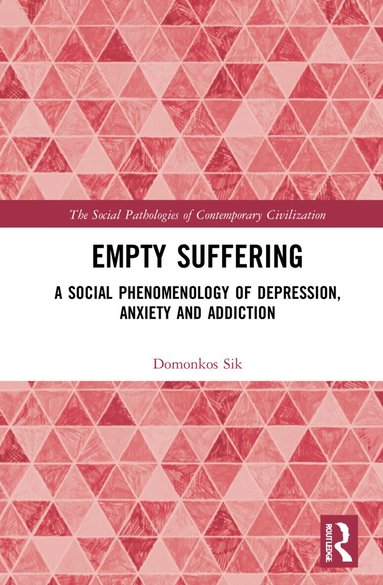
Mer från samma författare
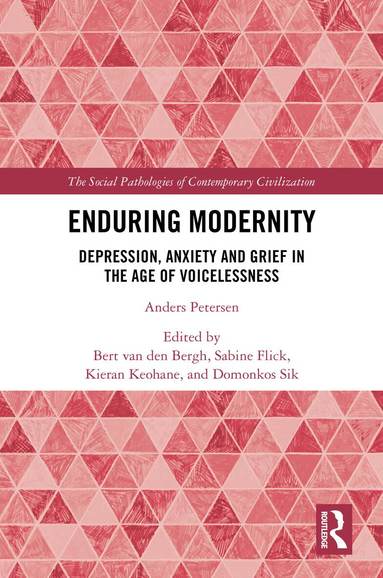
Enduring Modernity
Bert van den Bergh, Sabine Flick, Kieran Keohane, Domonkos Sik
Inbunden, 2024
3 379 kr
Del 33
Hoppa över listan


Du kanske också är intresserad av
Enduring Modernity
Bert van den Bergh, Sabine Flick, Kieran Keohane, Domonkos Sik
Inbunden, 2024
3 379 kr
Del 33
- Nyhet
Del 7
- Nyhet
Del 3
- Nyhet
Del 6
Kemiboken nivå 1
Anna Johansson, Cecilia Stenberg, Sten-Åke Sundkvist, Niklas Wästeby
Häftad, 2025
1 169 kr