
Del i serien Media, Culture and Social Change in Asia
North Korean Graphic Novels
Seduction of the Innocent?
Inbunden, Engelska, 2018
3 699 kr
Beställningsvara. Skickas inom 10-15 vardagar. Fri frakt för medlemmar vid köp för minst 249 kr.
Finns i fler format (1)
Graphic novels (kurimchaek) are a major art form in North Korea, produced by agents of the regime to set out its vision in a range of important areas. This book provides an analysis of North Korean graphic novels, discussing the ideals they promote and the tensions within those ideals, and examining the reception of graphic novels in North Korea and by North Korean refugees in South Korea. Particular themes considered include the ideal family and how the regime promotes this; patriotism, and its conflict with class identities; and the portrayal of the Korean War – "The Fatherland Liberation War", as it is known in North Korea – and the subsequent, continuing stand-off. Overall, the book demonstrates the importance of graphic novels in North Korea as a tool for bringing up children and for promoting North Korean ideals. In addition, however, the book also shows that although the regime sees the imaginative power of graphic novels as a necessity for effective communication, graphic novels are also viewed with caution in that they exist in everyday social life in ways that the regime may be aware of, and seeks to control, but cannot dominate completely.
Produktinformation
- Utgivningsdatum2018-08-14
- Mått156 x 234 x 23 mm
- Vikt602 g
- FormatInbunden
- SpråkEngelska
- SerieMedia, Culture and Social Change in Asia
- Antal sidor306
- FörlagTaylor & Francis Ltd
- ISBN9781138046931
Tillhör följande kategorier
Hoppa över listan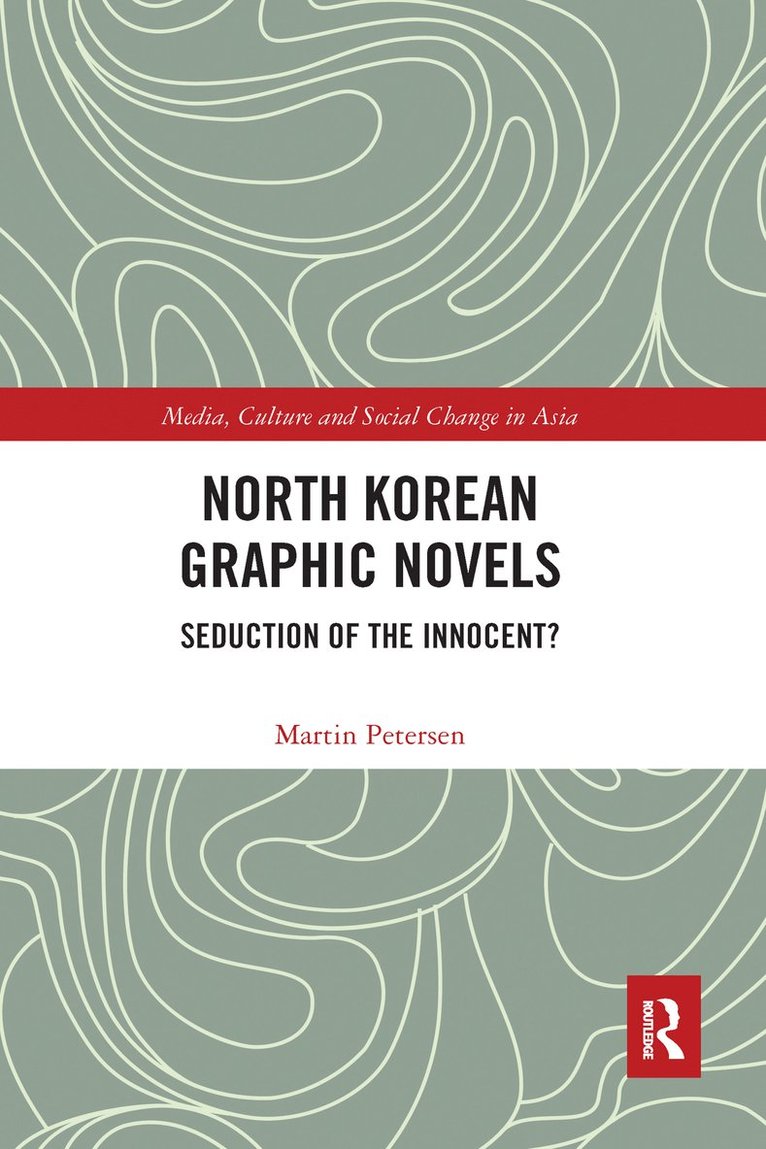

Du kanske också är intresserad av
- Nyhet
Del 11
- Nyhet
Del 3
- Nyhet
Del 1
- Nyhet
Del 1
- Nyhet
Del 4
- Nyhet
Del 6
Del 1