
Languages of Trauma
History, Memory, and Media
Inbunden, Engelska, 2021
1 179 kr
Beställningsvara. Skickas inom 5-8 vardagar. Fri frakt för medlemmar vid köp för minst 249 kr.
This volume traces the distinct cultural languages in which individual and collective forms of trauma are expressed in diverse variations, including oral and written narratives, literature, comic strips, photography, theatre, and cinematic images. The central argument is that traumatic memories are frequently beyond the sphere of medical, legal, or state intervention. To address these different, often intertwined modes of language, the contributors provide a variety of disciplinary approaches to foster innovative debates and provoke new insights.Prevailing definitions of trauma can best be understood according to the cultural and historical conditions within which they exist. Languages of Trauma explores what this means in practice by scrutinizing varied historical moments from the First World War onwards and particular cultural contexts from across Europe, the United States, Asia, and Africa – striving to help decolonize the traditional Western-centred history of trauma, dissolving it into multifaceted transnational histories of trauma cultures.
Produktinformation
- Utgivningsdatum2021-03-24
- Mått159 x 235 x 28 mm
- Vikt700 g
- FormatInbunden
- SpråkEngelska
- Antal sidor424
- FörlagUniversity of Toronto Press
- ISBN9781487508968
Tillhör följande kategorier
Hoppa över listan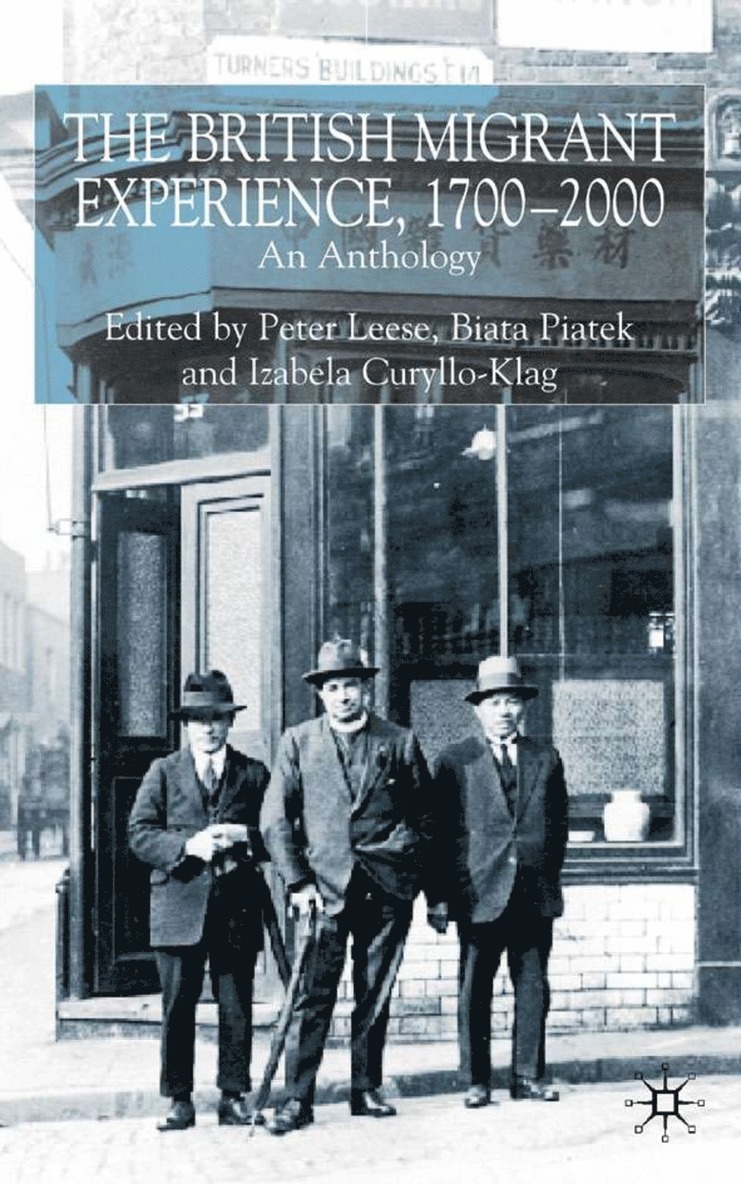
Mer från samma författare
Del 9
Del 9
Del 14
Trauma, Experience and Narrative in Europe after World War II
Ville Kivimäki, Peter Leese
Inbunden, 2021
749 kr
Trauma, Experience and Narrative in Europe after World War II
Ville Kivimäki, Peter Leese
Häftad, 2022
549 kr
Traumatic Memories of the Second World War and After
Peter Leese, Jason Crouthamel
Inbunden, 2016
1 479 kr
Psychological Trauma and the Legacies of the First World War
Jason Crouthamel, Peter Leese
Inbunden, 2016
1 779 kr
Traumatic Memories of the Second World War and After
Peter Leese, Jason Crouthamel
Häftad, 2018
1 479 kr
Hoppa över listan

Du kanske också är intresserad av
Traumatic Memories of the Second World War and After
Peter Leese, Jason Crouthamel
Inbunden, 2016
1 479 kr
Beyond Inclusion and Exclusion
Jason Crouthamel, Michael Geheran, Tim Grady, Julia Barbara Köhne
Inbunden, 2018
2 749 kr
Traumatic Memories of the Second World War and After
Peter Leese, Jason Crouthamel
Häftad, 2018
1 479 kr
Psychological Trauma and the Legacies of the First World War
Jason Crouthamel, Peter Leese
Häftad, 2018
1 779 kr
Beyond Inclusion and Exclusion
Jason Crouthamel, Michael Geheran, Tim Grady, Julia Barbara Köhne
Häftad, 2021
789 kr
Psychological Trauma and the Legacies of the First World War
Jason Crouthamel, Peter Leese
Inbunden, 2016
1 779 kr
Del 20
Liliana Cavani
Timo Storck, Dietrich Stern, Marcus Stiglegger, Julia Barbara Köhne, Sabine Ameskamp, Bernd Aschenbrenner, Mannheim Cinema Quadrat e. V., Peter Bär, Timo Storck, Andreas Hamburger, Gerhard Schneider, Karin Nitzschmann
Häftad, 2024
259 kr
Trauma, Religion and Spirituality in Germany during the First World War
Jason Crouthamel
Häftad, 2023
549 kr
Trauma, Religion and Spirituality in Germany during the First World War
Jason Crouthamel
Inbunden, 2021
1 719 kr