
Junot Díaz and the Decolonial Imagination
Häftad, Engelska, 2016
649 kr
Beställningsvara. Skickas inom 5-8 vardagar. Fri frakt för medlemmar vid köp för minst 249 kr.
Finns i fler format (1)
The first sustained critical examination of the work of Dominican-American writer Junot DÍaz, this interdisciplinary collection considers how DÍaz's writing illuminates the world of Latino cultural expression and trans-American and diasporic literary history. Interested in conceptualizing DÍaz's decolonial imagination and his radically re-envisioned world, the contributors show how his aesthetic and activist practice reflect a significant shift in American letters toward a hemispheric and planetary culture. They examine the intersections of race, Afro-Latinidad, gender, sexuality, disability, poverty, and power in DÍaz's work. Essays in the volume explore issues of narration, language, and humor in The Brief Wondrous Life of Oscar Wao, the racialized constructions of gender and sexuality in Drown and This Is How You Lose Her, and the role of the zombie in the short story "Monstro." Collectively, they situate DÍaz’s writing in relation to American and Latin American literary practices and reveal the author’s activist investments. The volume concludes with Paula Moya's interview with DÍaz.Contributors: Glenda R. Carpio, Arlene DÁvila, Lyn Di Iorio, Junot DÍaz, Monica Hanna, Jennifer Harford Vargas, Ylce Irizarry, Claudia Milian, Julie Avril Minich, Paula M. L. Moya, Sarah Quesada, JosÉ David SaldÍvar, RamÓn SaldÍvar, Silvio Torres-Saillant, Deborah R. Vargas
Produktinformation
- Utgivningsdatum2016-01-08
- Mått152 x 229 x 25 mm
- Vikt612 g
- FormatHäftad
- SpråkEngelska
- Antal sidor464
- FörlagDuke University Press
- ISBN9780822360339
Tillhör följande kategorier
Hoppa över listan



Du kanske också är intresserad av
Junot Díaz and the Decolonial Imagination
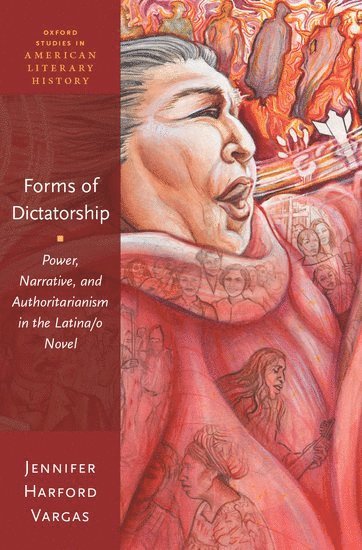
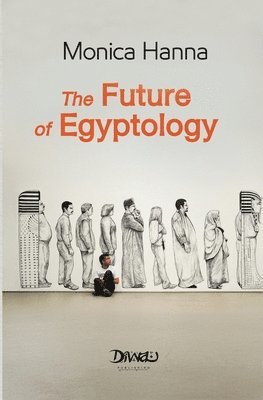
Monica Hanna, Jennifer Harford Vargas, José David Saldívar
Inbunden, 2016
2 659 kr
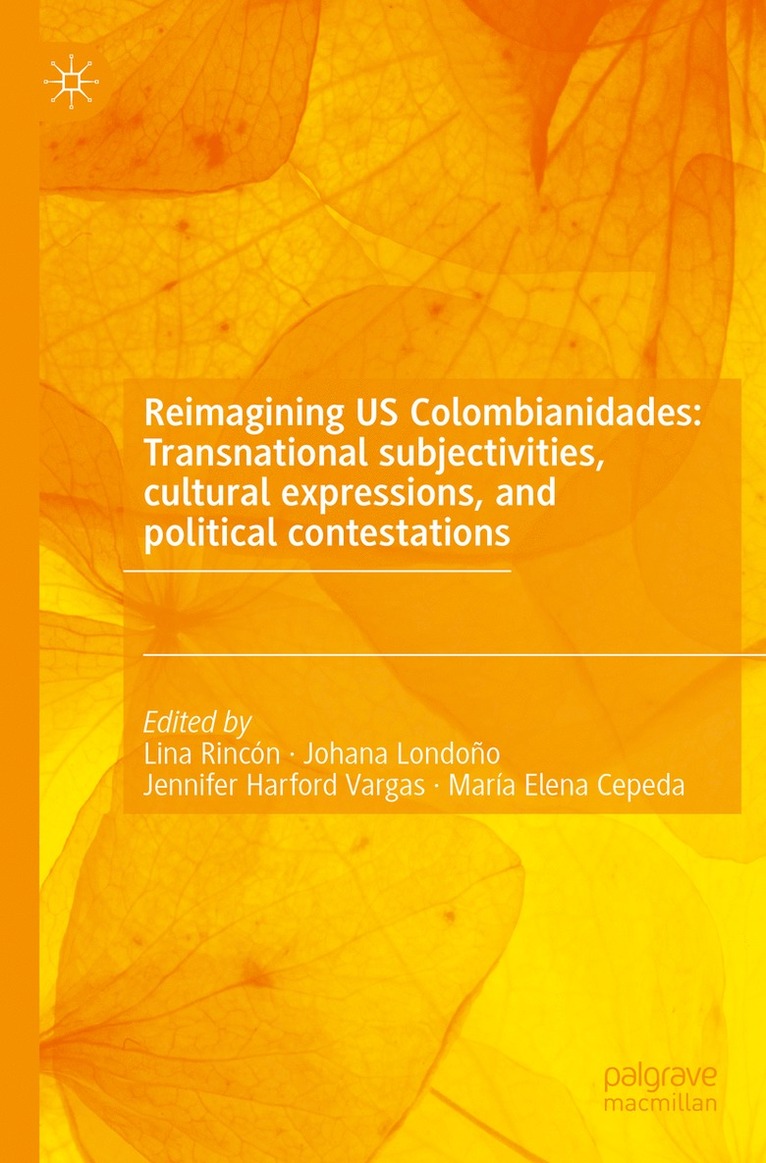
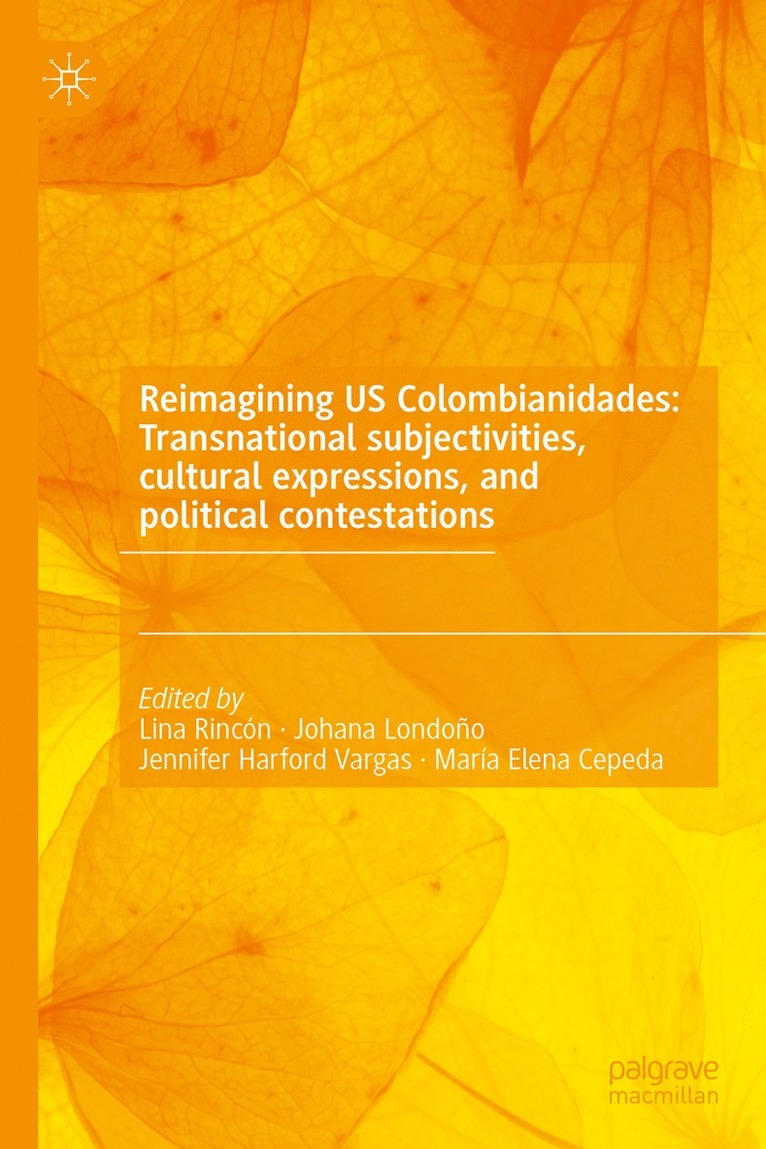
Reimagining US Colombianidades: Transnational subjectivities, cultural expressions, and political contestations
Lina Rincón, Johana Londoño, Jennifer Harford Vargas, María Elena Cepeda
Häftad, 2024
1 579 kr
Reimagining US Colombianidades: Transnational subjectivities, cultural expressions, and political contestations
Lina Rincón, Johana Londoño, Jennifer Harford Vargas, María Elena Cepeda
Inbunden, 2023
1 579 kr