
Del i serien SUNY series in Human Rights
Imperialism and Human Rights
Colonial Discourses of Rights and Liberties in African History
Häftad, Engelska, 2008
529 kr
Tillfälligt slut
Finns i fler format (1)
Looks at the language of rights used by diverse interest groups in British-colonized Nigeria.2007 CHOICE Outstanding Academic Title In this seminal study, Bonny Ibhawoh investigates the links between European imperialism and human rights discourses in African history. Using British-colonized Nigeria as a case study, he examines how diverse interest groups within colonial society deployed the language of rights and liberties to serve varied socioeconomic and political ends. Ibhawoh challenges the linear progressivism that dominates human rights scholarship by arguing that, in the colonial African context, rights discourses were not simple monolithic or progressive narratives. They served both to insulate and legitimize power just as much as they facilitated transformative processes. Drawing extensively on archival material, this book shows how the language of rights, like that of "civilization" and "modernity," became an important part of the discourses deployed to rationalize and legitimize empire.
Produktinformation
- Utgivningsdatum2008-01-03
- Mått152 x 229 x 12 mm
- Vikt340 g
- FormatHäftad
- SpråkEngelska
- SerieSUNY series in Human Rights
- Antal sidor242
- FörlagState University of New York Press
- ISBN9780791469248
Tillhör följande kategorier
Hoppa över listan



Mer från samma författare
Truth Commissions and State Building
Bonny Ibhawoh, Jasper Abembia Ayelazuno, Sylvia Bawa
Inbunden, 2023
1 269 kr
Truth Commissions and State Building
Bonny Ibhawoh, Jasper Abembia Ayelazuno, Sylvia Bawa
Häftad, 2023
589 kr
Del 1
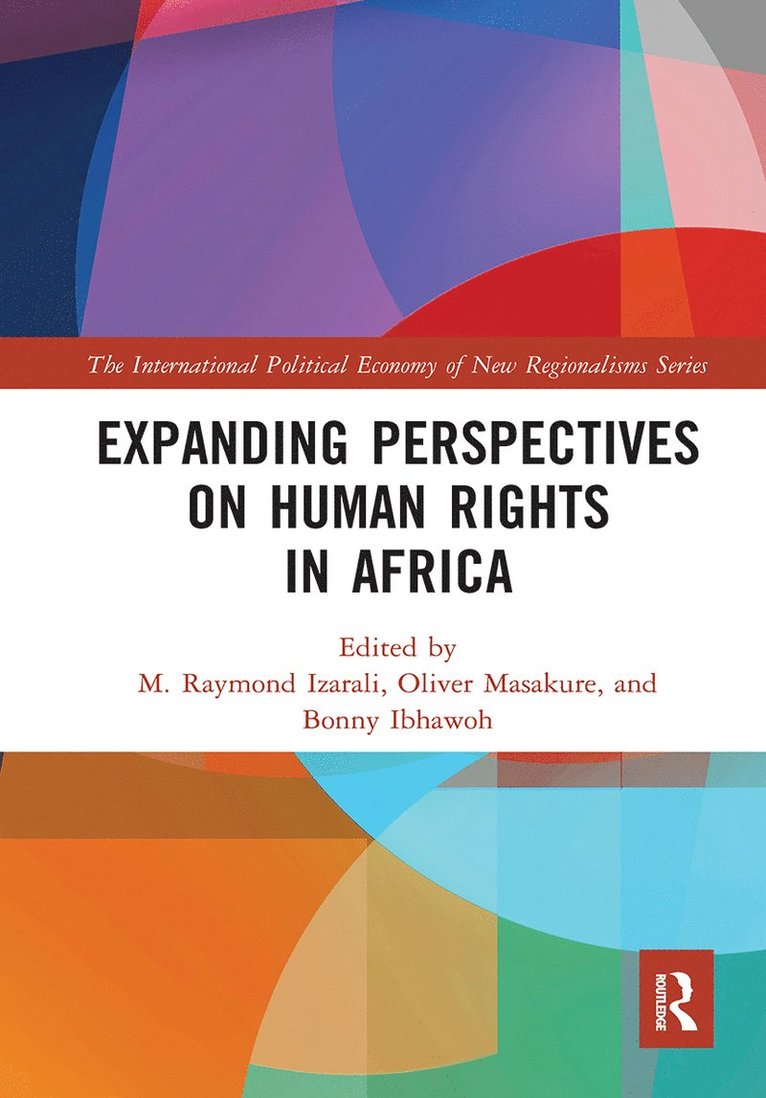
Expanding Perspectives on Human Rights in Africa
M. Raymond Izarali, Oliver Masakure, Bonny Ibhawoh
Häftad, 2021
819 kr
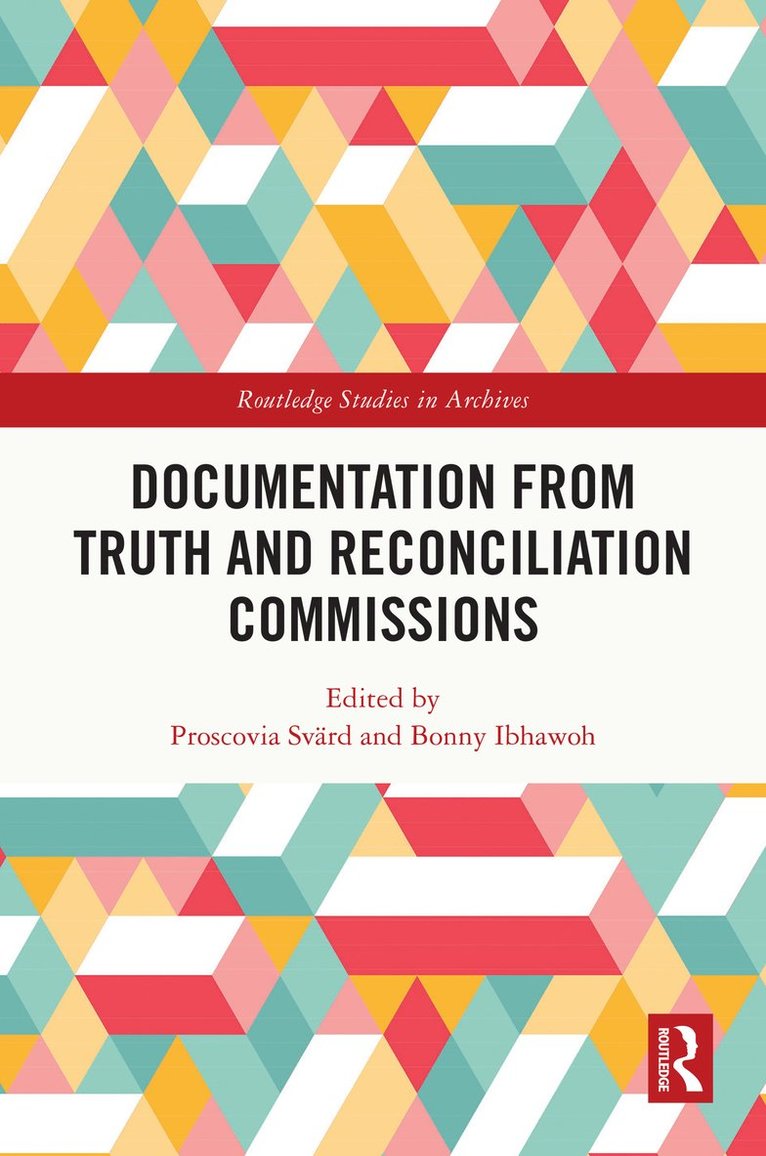
Documentation from Truth and Reconciliation Commissions
Proscovia Svärd, Bonny Ibhawoh
Inbunden, 2024
3 209 kr
Documentation from Truth and Reconciliation Commissions
Proscovia Svärd, Bonny Ibhawoh
Häftad, 2025
839 kr
Role of Networks in Advancing Human Rights
Shareen Hertel, Mark Gibney, Bonny Ibhawoh
Inbunden, 2025
1 759 kr
Del 12
Del 12
Hoppa över listan

Du kanske också är intresserad av
Expanding Perspectives on Human Rights in Africa
M. Raymond Izarali, Oliver Masakure, Bonny Ibhawoh
Inbunden, 2019
2 969 kr
Expanding Perspectives on Human Rights in Africa
M. Raymond Izarali, Oliver Masakure, Bonny Ibhawoh
Häftad, 2021
819 kr
Minority Rights and the National Question in Nigeria
Uyilawa Usuanlele, Bonny Ibhawoh
Häftad, 2018
1 629 kr
Del 1
Truth Commissions and State Building
Bonny Ibhawoh, Jasper Abembia Ayelazuno, Sylvia Bawa
Inbunden, 2023
1 269 kr
Documentation from Truth and Reconciliation Commissions
Proscovia Svärd, Bonny Ibhawoh
Inbunden, 2024
3 209 kr
Minority Rights and the National Question in Nigeria
Uyilawa Usuanlele, Bonny Ibhawoh
Inbunden, 2017
1 629 kr