
Del i serien Routledge Advances in Theatre & Performance Studies
Ibsen in the Decolonised South Asian Theatre
Inbunden, Engelska, 2023
3 769 kr
Beställningsvara. Skickas inom 10-15 vardagar. Fri frakt för medlemmar vid köp för minst 249 kr.
Finns i fler format (1)
This book maps South Asian theatre productions that have contextualised Ibsen’s plays to underscore the emergent challenges of postcolonial nation formation.The concerns addressed in this collection include politico-cultural engagements with human rights, economic and environmental issues, and globalisation, all of which have evolved through colonial times and thereafter. This book contemplates why and how these Ibsen texts were repeatedly adapted for the stage and consequently reflects upon the political intent of this appropriative journey of the foreign playwright.This book tracks the unmapped agency that South Asian theatre has acquired through aesthetic appropriation of Ibsen and thereby contributes to his global reception. This collection will be of great interest to students and scholars of theatre and performance studies.
Produktinformation
- Utgivningsdatum2023-11-10
- Mått156 x 234 x 19 mm
- Vikt453 g
- FormatInbunden
- SpråkEngelska
- SerieRoutledge Advances in Theatre & Performance Studies
- Antal sidor244
- FörlagTaylor & Francis Ltd
- ISBN9781032182063
Tillhör följande kategorier
Hoppa över listan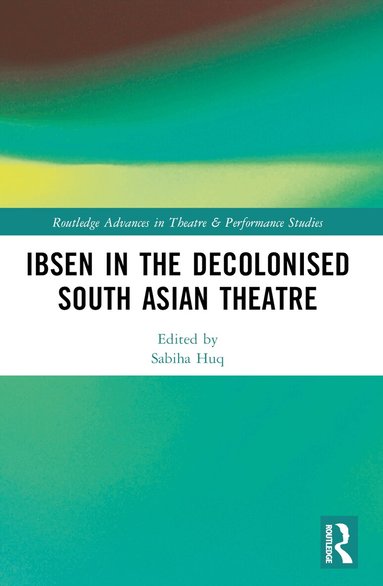









Du kanske också är intresserad av
- Nyhet
Del 7
- Nyhet
- Nyhet
Del 4
- Nyhet
Del 6
- Nyhet
Del 3
- Nyhet
Del 11
- Nyhet