
Del 16
Del 20 i serien Heat Shock Proteins
Heat Shock Proteins in Neuroscience
Häftad, Engelska, 2020
1 449 kr
Beställningsvara. Skickas inom 10-15 vardagar. Fri frakt för medlemmar vid köp för minst 249 kr.
Finns i fler format (1)
The book Heat Shock Proteins in Neuroscience provides the most comprehensive review on contemporary knowledge on the role of HSP in signaling pathways relevant to a number of diseases. Using an integrative approach, the contributors provide a synopsis of novel mechanisms, signal transduction pathways. To enhance the ease of reading and comprehension, this book has been subdivided into various section including; Section I, reviews current progress on our understanding of Neurological Aspects of HSP; Section II, focuses on Aspects of HSP in Neurodegenerative Diseases and Disorders, Section III, emphasizes the importance of HSP in Multiple Sclerosis; Section IV, reviews critical Aspects of HSP in Alzheimer’s Disease and Section V, gives a comprehensive update of the Development of HSP-Based Therapies for Neurological Disorders. Key basic and clinical research laboratories from major universities, academic medical hospitals, biotechnology and pharmaceutical laboratories around the world have contributed chapters that review present research activity and importantly project the field into the future. The book is a must read for starters and professionals in the fields of Neurology and Neurosciences, Translational Medicine, Clinical Research, Human Physiology, Biotechnology, Cell & Molecular Medicine, Pharmaceutical Scientists and Researchers involved in Drug Discovery.
Produktinformation
- Utgivningsdatum2020-11-11
- Mått155 x 235 x 17 mm
- Vikt555 g
- FormatHäftad
- SpråkEngelska
- SerieHeat Shock Proteins
- Antal sidor307
- FörlagSpringer Nature Switzerland AG
- ISBN9783030242879
Tillhör följande kategorier
Hoppa över listan
Mer från samma författare
Del 17
Del 14
Del 15
Del 13
Del 12
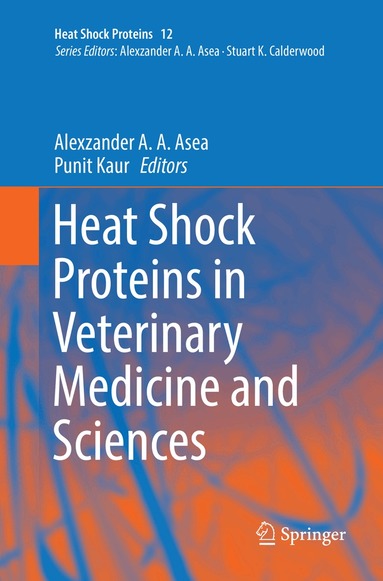
Heat Shock Proteins in Veterinary Medicine and Sciences
Alexzander A. A. Asea, Punit Kaur
Häftad, 2018
2 159 kr
Del 18
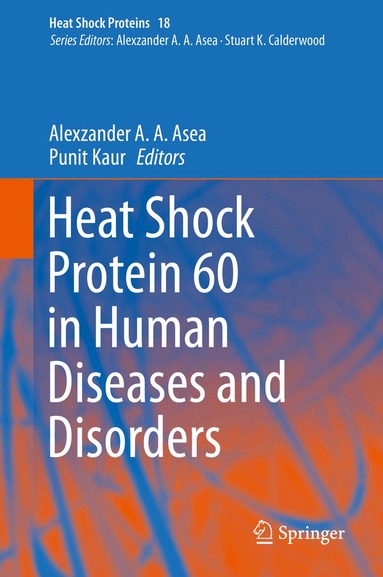
Heat Shock Protein 60 in Human Diseases and Disorders
Alexzander A. A. Asea, Punit Kaur
Inbunden, 2019
2 159 kr
Del 18
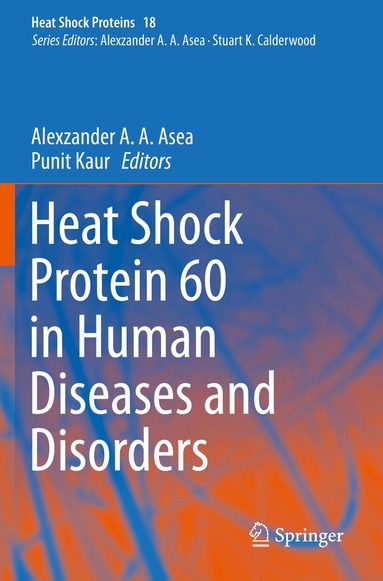
Heat Shock Protein 60 in Human Diseases and Disorders
Alexzander A. A. Asea, Punit Kaur
Häftad, 2020
2 159 kr
Del 19
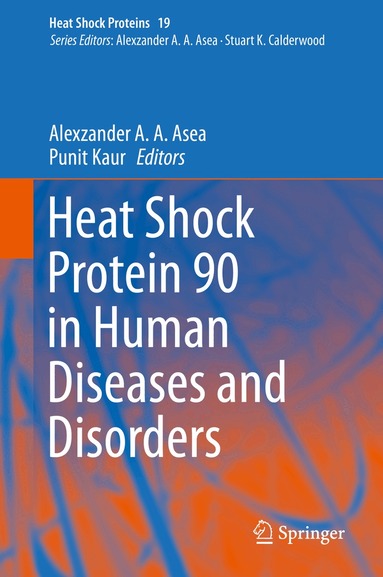
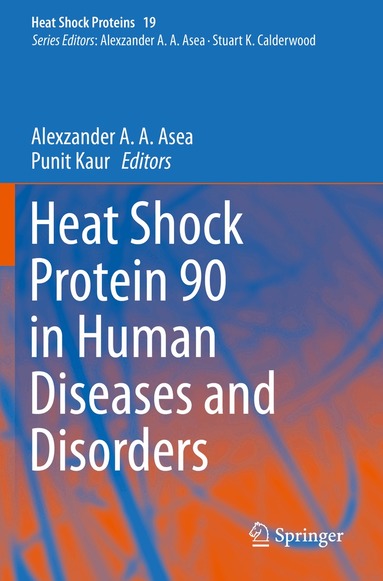
Heat Shock Protein 90 in Human Diseases and Disorders
Alexzander A. A. Asea, Punit Kaur
Inbunden, 2019
2 229 kr
Del 19
Heat Shock Protein 90 in Human Diseases and Disorders
Alexzander A. A. Asea, Punit Kaur
Häftad, 2020
2 229 kr
Hoppa över listan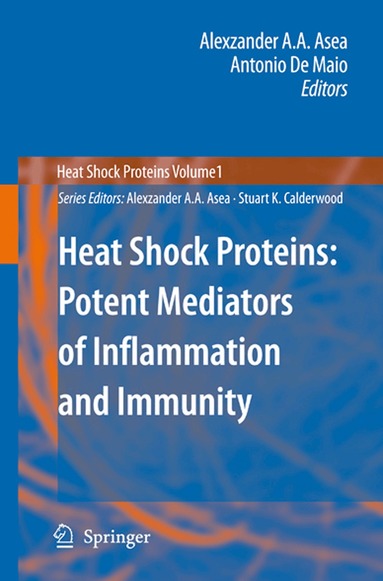
Mer från samma serie
Del 1
Heat Shock Proteins: Potent Mediators of Inflammation and Immunity
Alexzander A.A. Asea, Antonio De Maio
Inbunden, 2007
1 489 kr
Del 2
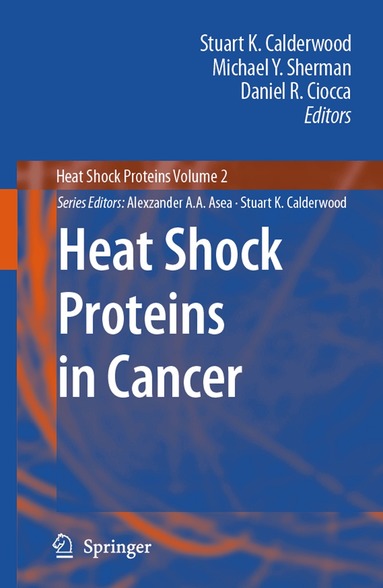
Heat Shock Proteins in Cancer
Stuart K. Calderwood, Michael Y. Sherman, Daniel R. Ciocca
Inbunden, 2007
2 969 kr
Del 3
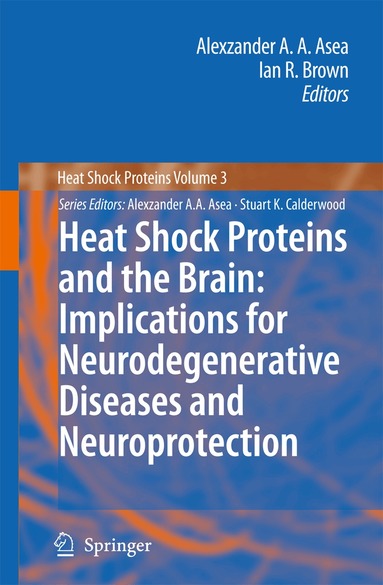
Heat Shock Proteins and the Brain: Implications for Neurodegenerative Diseases and Neuroprotection
Alexzander A.A. Asea, Ian R. Brown
Inbunden, 2008
2 969 kr
Del 16
Del 17
Del 14
Del 15
Del 13
Del 12
Heat Shock Proteins in Veterinary Medicine and Sciences
Alexzander A. A. Asea, Punit Kaur
Häftad, 2018
2 159 kr
Del 18
Heat Shock Protein 60 in Human Diseases and Disorders
Alexzander A. A. Asea, Punit Kaur
Inbunden, 2019
2 159 kr
Hoppa över listan

Du kanske också är intresserad av
Del 14
Del 16
Del 15
Del 12
Heat Shock Proteins in Veterinary Medicine and Sciences
Alexzander A. A. Asea, Punit Kaur
Inbunden, 2018
2 159 kr
Del 19
Heat Shock Protein 90 in Human Diseases and Disorders
Alexzander A. A. Asea, Punit Kaur
Häftad, 2020
2 229 kr
Del 10
Heat Shock Proteins and Plants
Alexzander A. A. Asea, Stuart K. Calderwood, Punit Kaur
Inbunden, 2016
2 159 kr
Del 19
Heat Shock Protein 90 in Human Diseases and Disorders
Alexzander A. A. Asea, Punit Kaur
Inbunden, 2019
2 229 kr
Del 958
Multiple Sclerosis: Bench to Bedside
Alexzander A. A. Asea, Fabiana Geraci, Punit Kaur
Häftad, 2018
2 229 kr
Del 1353
Del 22