
Godly Violence in the Puritan Atlantic World, 1636–1676
A Study of Military Providentialism
Inbunden, Engelska, 2024
1 599 kr
Beställningsvara. Skickas inom 5-8 vardagar. Fri frakt för medlemmar vid köp för minst 249 kr.
A rich analysis of the mindset of Puritans and of their theology which justified military action and acts of killing.This book recounts Puritan struggles for military dominance and for an authoritative interpretation of God's agency in war. It asks: What did Puritans say was God's will in warfare; and how did they claim to know? It applies the term 'military providentialism' to this attempt to understand God's will and agency in war; and the term 'godly violence' to an act of killing that was deemed to be both just and holy. The book explores these themes by examining Puritan warfare against four groups: Native Americans, royalist Episcopalians, Irish Catholics and Scottish Presbyterians. It employs a wide range of printed and archival sources: sermons, treatises, official documents, newsbooks, letters, diaries, poems and objects related to material culture; and considers private providential interpretations written by obscure individuals alongside published works by more prominent people. Overall, the book provides a rich analysis of the mindset which sustained Puritan political theology and military action at the time when Puritans were at the height of their power on both sides of the Atlantic.
Produktinformation
- Utgivningsdatum2024-02-20
- Mått156 x 234 x 23 mm
- Vikt576 g
- FormatInbunden
- SpråkEngelska
- Antal sidor332
- FörlagBoydell & Brewer Ltd
- ISBN9781837650149
Tillhör följande kategorier
Hoppa över listan


Mer från samma författare
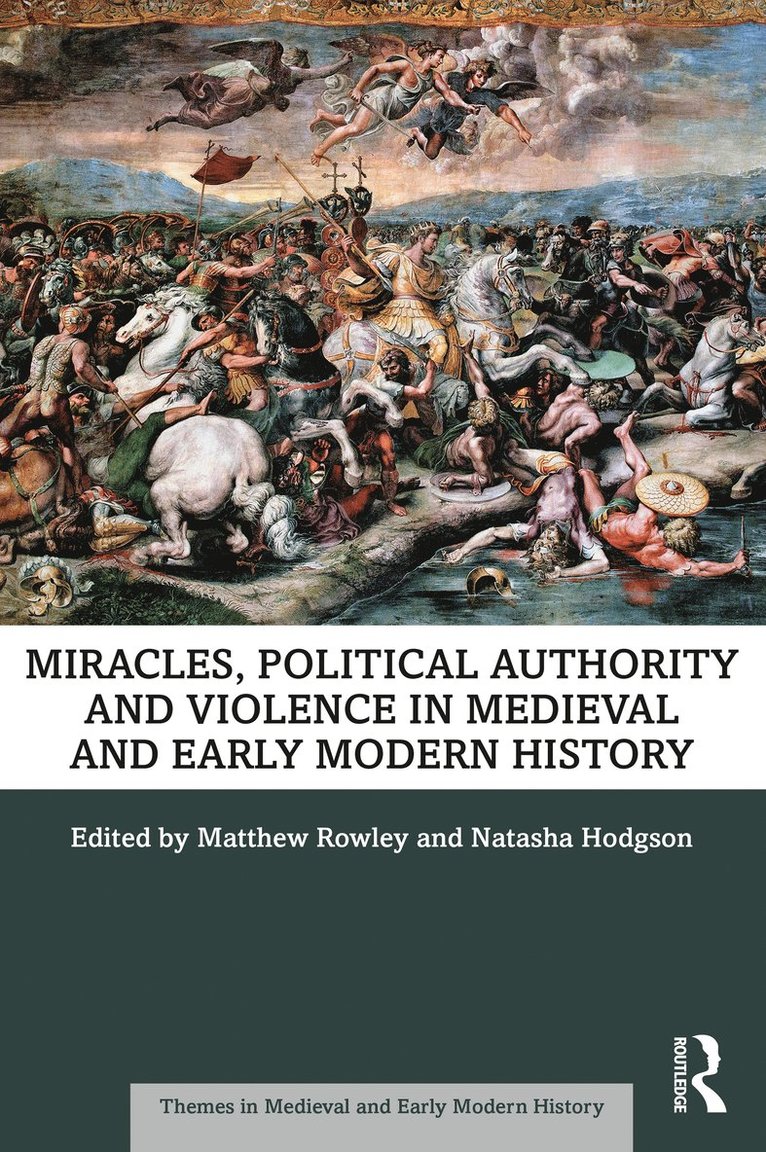
Miracles, Political Authority and Violence in Medieval and Early Modern History
Matthew Rowley, Natasha Hodgson
Inbunden, 2021
3 309 kr
Miracles, Political Authority and Violence in Medieval and Early Modern History
Matthew Rowley, Natasha Hodgson
Häftad, 2021
819 kr
Global Sourcebook in Protestant Political Thought, Volume I
Matthew Rowley, Marietta van der Tol
Inbunden, 2024
2 899 kr
Global Sourcebook in Protestant Political Thought, Volume I
Matthew Rowley, Marietta van der Tol
Häftad, 2024
759 kr
Del 2019
Hoppa över listan
Du kanske också är intresserad av
Miracles, Political Authority and Violence in Medieval and Early Modern History
Matthew Rowley, Natasha Hodgson
Inbunden, 2021
3 309 kr
Miracles, Political Authority and Violence in Medieval and Early Modern History
Matthew Rowley, Natasha Hodgson
Häftad, 2021
819 kr
Global Sourcebook in Protestant Political Thought, Volume I
Matthew Rowley, Marietta van der Tol
Inbunden, 2024
2 899 kr
Del 2019
Global Sourcebook in Protestant Political Thought, Volume I
Matthew Rowley, Marietta van der Tol
Häftad, 2024
759 kr