
German Jewish Literature after 1990
Inbunden, Engelska, 2018
1 929 kr
Beställningsvara. Skickas inom 10-15 vardagar. Fri frakt för medlemmar vid köp för minst 249 kr.
Edited volume tracing the development of a new generation of German Jewish writers, offering fresh interpretations of individual works, and probing the very concept of "German Jewish literature."The 1990 reunification of Germany gave rise to a new generation of writers who write in German, identify as both German and Jewish, and often also sustain cultural affiliations with places such as Russia, Azerbaijan, or Israel. This edited volume traces the development of this new literature into the present, offers fresh interpretations of individual works, and probes the very concept of "German Jewish literature." A central theme is the transformation ofmemory at a time when the Holocaust is moving into greater historical distance while the influx of new immigrant groups to Germany brings other past trauma into view. The volume's ten original essays by scholars from Europe and the US reframe the debates about Holocaust memory and contemporary German culture. The concluding interviews with authors Mirna Funk and Olga Grjasnowa offer a glimpse into the future of German Jewish literature.Contributors: Luisa Banki, Caspar Battegay, Helen Finch, Mirna Funk, Katja Garloff, Olga Grjasnowa, Elizabeth Loentz, Andree Michaelis-König, Agnes Mueller, Jessica Ortner, Jonathan Skolnik, Stuart Taberner.Katja Garloff is Professor of German and Humanities at Reed College. Agnes Mueller is the College of Arts & Sciences Distinguished Professor of the Humanities at the University of South Carolina.
Produktinformation
- Utgivningsdatum2018-09-28
- Mått152 x 229 x 26 mm
- Vikt556 g
- FormatInbunden
- SpråkEngelska
- SerieDialogue and Disjunction: Studies in Jewish German Literature, Culture & Thought
- Antal sidor272
- FörlagBoydell & Brewer Ltd
- ISBN9781640140219
Tillhör följande kategorier
Hoppa över listan


Mer från samma serie
Del 2
Del 3
Del 10
Transcultural Memory and European Identity in Contemporary German-Jewish Migrant Literature
Jessica Ortner
Inbunden, 2022
1 929 kr
Del 4
Del 7
Del 6
Del 8
Del 9
Del 12
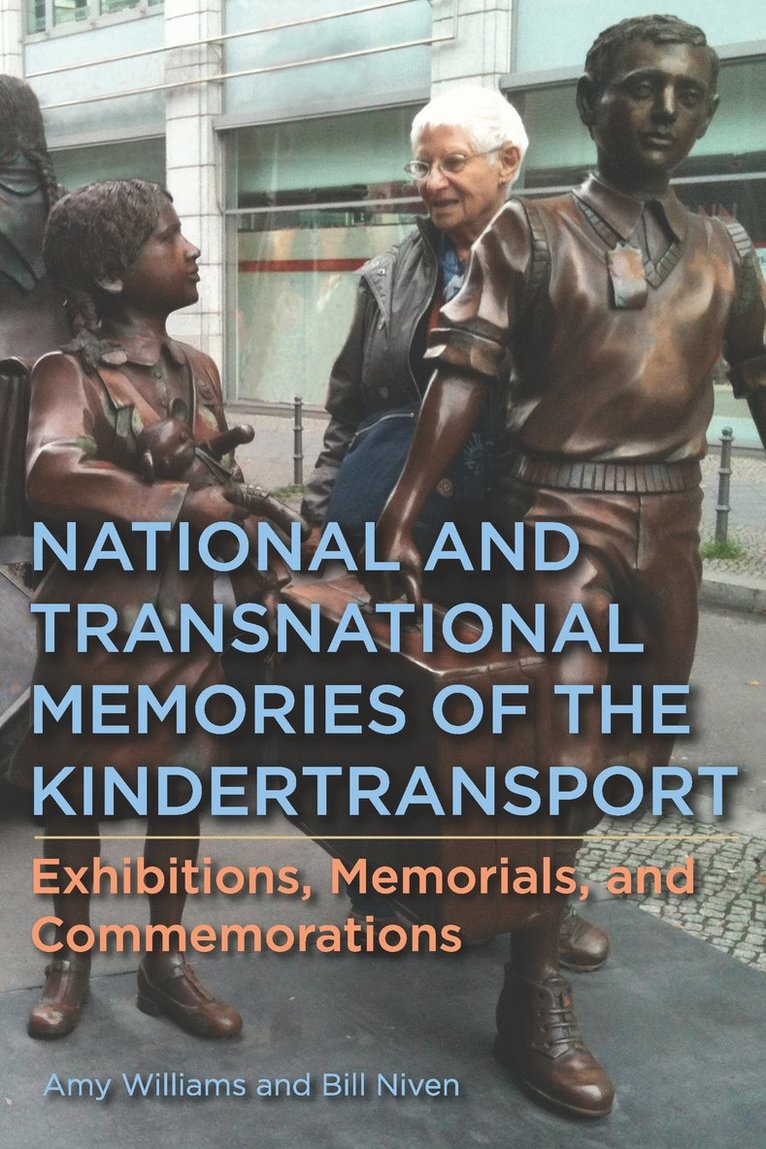
National and Transnational Memories of the Kindertransport
Amy Williams, William Niven
Inbunden, 2023
1 729 kr
Del 11
Hoppa över listan
Du kanske också är intresserad av
Del 8
Del 10
Transcultural Memory and European Identity in Contemporary German-Jewish Migrant Literature
Jessica Ortner
Inbunden, 2022
1 929 kr
Del 6
Del 2