
Del i serien Routledge Research in Early Modern History
Establishment Eschatology in England’s Reformation
Evidence from the Doctrinally-Binding Formularies of Faith, 1534–1571
Inbunden, Engelska, 2023
3 209 kr
Beställningsvara. Skickas inom 10-15 vardagar. Fri frakt för medlemmar vid köp för minst 249 kr.
Finns i fler format (1)
Exploring what the early English Protestants came to believe about the afterlife, and how they arrived at their positions, this much-needed book fills a gap in the scholarly literature. In surveying the authorised doctrinal works of the English church through the Reformation period, the progress of eschatological thinking is traced from the earliest days of change to the solidification of the formularies which remain binding across the worldwide Anglican Church today.Fresh observations are made on some well-known texts such as the Books of Common Prayer, Articles of Religion and official Tudor homilies, and these are complemented by commentary on surprisingly understudied documents of the period including primers, catechisms, and the paratexts of the early printed English Bibles. The result is a fascinating study of the English reformers’ navigation past both Roman Catholic and radical anabaptist beliefs, and it shows that their arrival at a relatively barren destination was due in part to a complete switch in theological priorities and in part to a fear of the implications of formally adopting some of the highly contested views.Establishment Eschatology will prove to be an important resource for students and scholars of England’s early modern religious and cultural history.
Produktinformation
- Utgivningsdatum2023-07-14
- Mått156 x 234 x 16 mm
- Vikt380 g
- FormatInbunden
- SpråkEngelska
- SerieRoutledge Research in Early Modern History
- Antal sidor178
- FörlagTaylor & Francis Ltd
- ISBN9781032305387
Tillhör följande kategorier
Hoppa över listan
Mer från samma författare
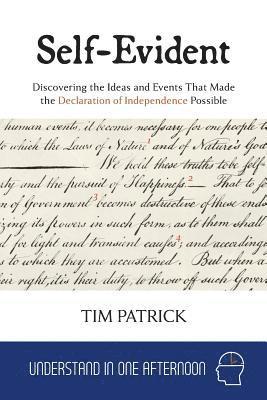
Self-Evident: Discovering the Ideas and Events That Made the Declaration of Independence Possible
Tim Patrick
Häftad, 2017
369 kr
Hoppa över listan
Mer från samma serie
Swedish and Finnish Historiographies of the Swedish Realm, c. 1520–1809
Miia Kuha, Petri Karonen
Häftad, 2025
629 kr
Criminal Justice During the Long Eighteenth Century
David Lemmings, Allyson N. May
Inbunden, 2018
3 299 kr
Social and Cultural Relations in the Grand Duchy of Lithuania
Richard Butterwick, Wioletta Pawlikowska
Inbunden, 2019
3 299 kr
Hoppa över listan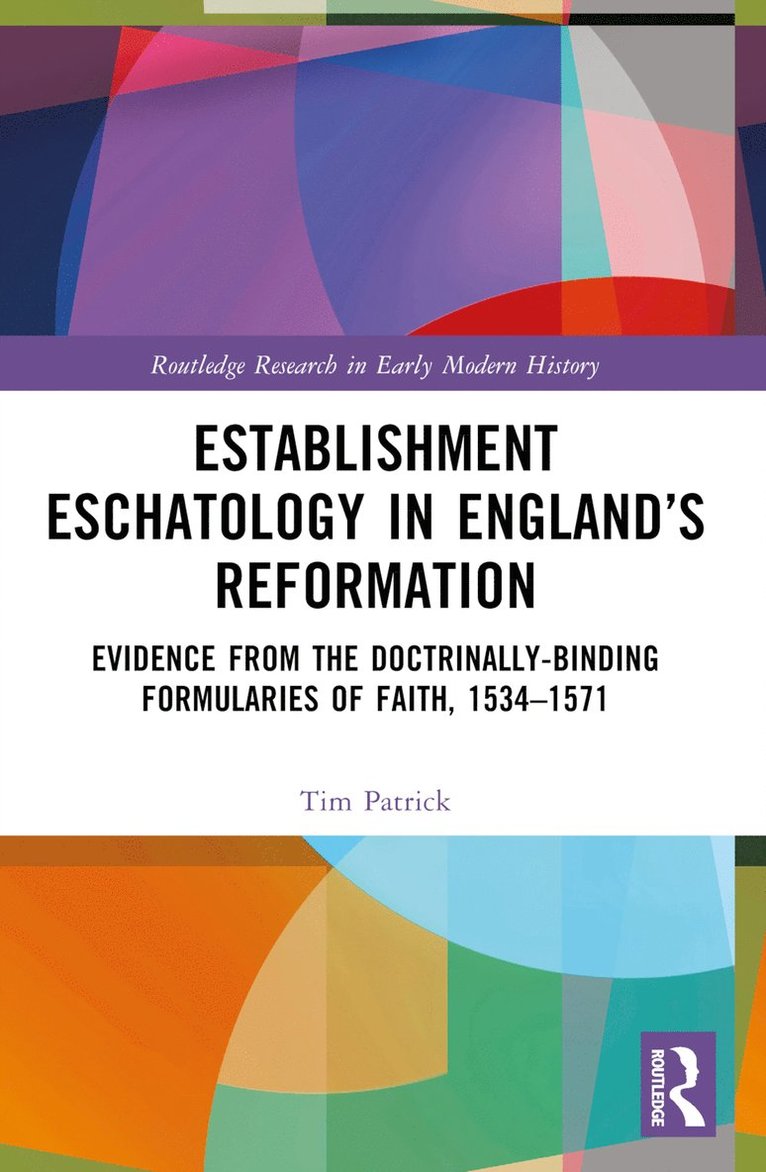
Du kanske också är intresserad av
Self-Evident: Discovering the Ideas and Events That Made the Declaration of Independence Possible
Tim Patrick
Häftad, 2017
369 kr