
Del i serien Environment and Society
Emerging Role of Geomedia in the Environmental Humanities
Inbunden, Engelska, 2022
1 779 kr
Beställningsvara. Skickas inom 10-15 vardagar. Fri frakt för medlemmar vid köp för minst 249 kr.
Finns i fler format (1)
The Emerging Role of Geomedia in the Environmental Humanities, edited by Mark Terry and Michael Hewson, provides the latest scholarship on the various methods and approaches being used by environmental humanists to incorporate geomedia into their research and analyses. Chapters in the book examine such applications as geographic information systems, global positioning systems, geo-doc filmmaking, and related geo-locative systems all being used as new technologies of research and analysis in investigations in the environmental humanities. The contributors also explore how these new methodologies impact the production of knowledge in this field of study as well as promote the impact of First Nation people perspectives.
Produktinformation
- Utgivningsdatum2022-10-03
- Mått159 x 239 x 19 mm
- Vikt458 g
- FormatInbunden
- SpråkEngelska
- SerieEnvironment and Society
- Antal sidor208
- FörlagBloomsbury Publishing Plc
- ISBN9781666913422
Tillhör följande kategorier
Hoppa över listan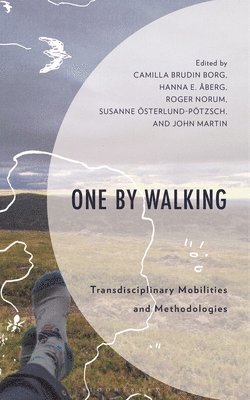



Mer från samma serie
One by Walking
Camilla Brudin Borg, Camilla Brudin Borg, Hanna E. Åberg, Roger Norum, Suzanne Österlund-Pötzsch, John Martin
Inbunden, 2026
1 449 kr
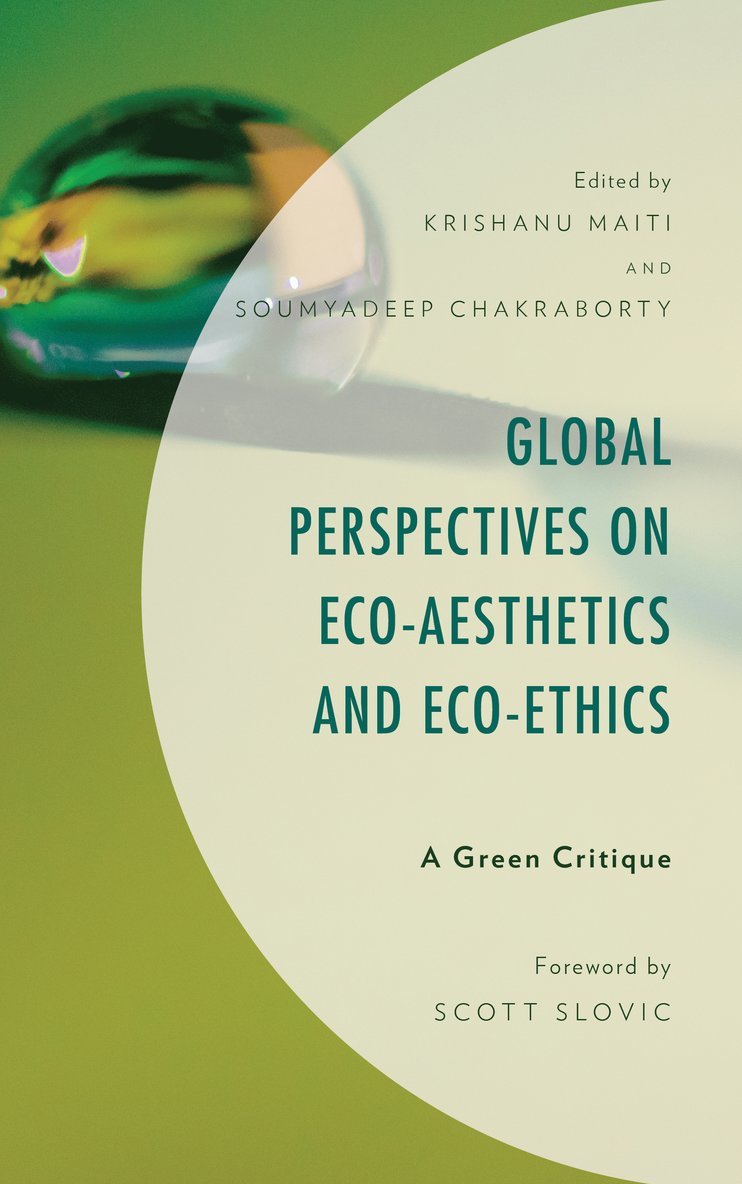
Global Perspectives on Eco-Aesthetics and Eco-Ethics
Krishanu Maiti, Soumyadeep Chakraborty
Inbunden, 2019
1 639 kr
Bangladesh Environmental Humanities Reader
Samina Luthfa, Mohammad Tanzimuddin Khan, Munasir Kamal
Inbunden, 2022
1 639 kr
Hoppa över listan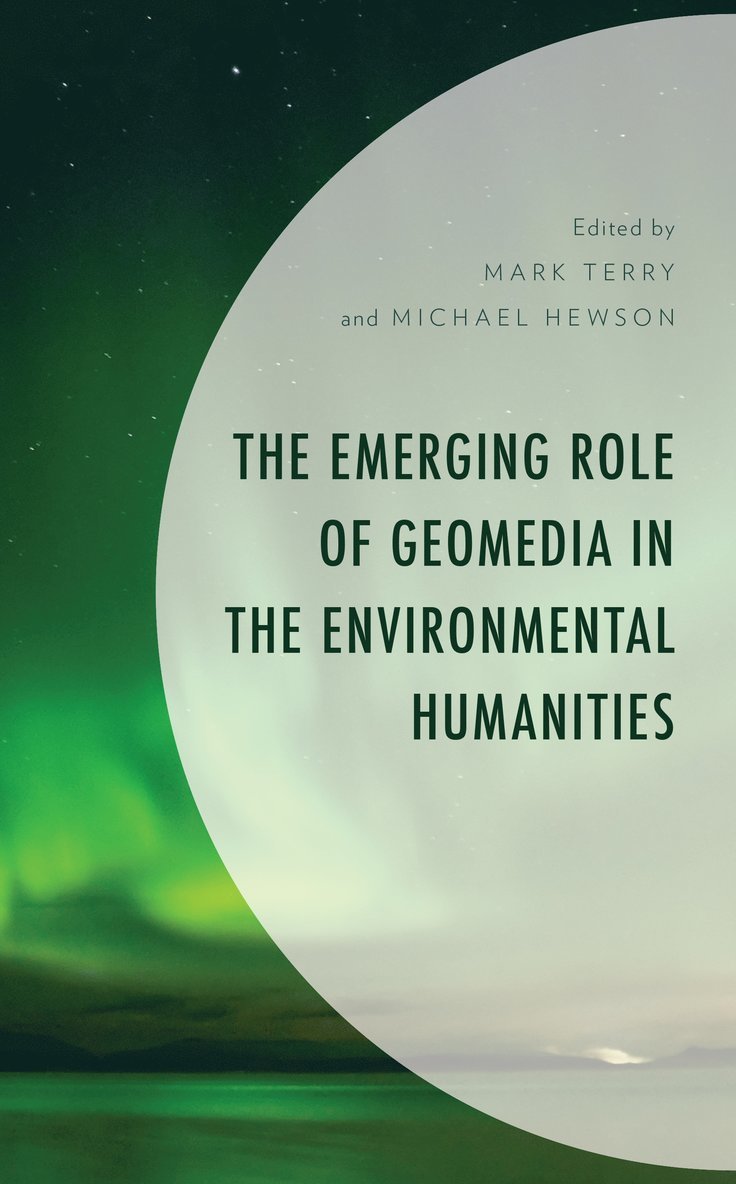





Du kanske också är intresserad av
Emerging Role of Geomedia in the Environmental Humanities
Mark Terry, Michael Hewson
Häftad, 2024
679 kr
- Nyhet
Del 3
Del 2
Del 1