
Del i serien Indiana University Press (IPS)
Disability and Mobile Citizenship in Postsocialist Ukraine
Häftad, Engelska, 2010
369 kr
Beställningsvara. Skickas inom 5-8 vardagar. Fri frakt för medlemmar vid köp för minst 249 kr.
Sarah D. Phillips examines the struggles of disabled persons in Ukraine and the other former Soviet states to secure their rights during the tumultuous political, economic, and social reforms of the last two decades. Through participant observation and interviews with disabled Ukrainians across the social spectrum—rights activists, politicians, students, workers, entrepreneurs, athletes, and others—Phillips documents the creative strategies used by people on the margins of postsocialist societies to assert claims to "mobile citizenship." She draws on this rich ethnographic material to argue that public storytelling is a powerful means to expand notions of relatedness, kinship, and social responsibility, and which help shape a more tolerant and inclusive society.
Produktinformation
- Utgivningsdatum2010-11-26
- Mått152 x 229 x 17 mm
- Vikt476 g
- FormatHäftad
- SpråkEngelska
- SerieIndiana University Press (IPS)
- Antal sidor318
- FörlagIndiana University Press
- ISBN9780253222473
Tillhör följande kategorier
Hoppa över listan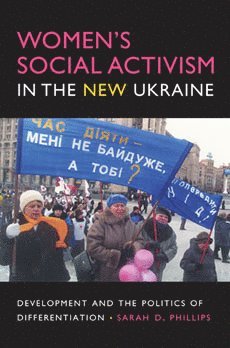







Du kanske också är intresserad av
- Nyhet
Del 3
- Nyhet
Del 11
- Nyhet
- Nyhet
Del 6
- Nyhet
Del 1
- Nyhet
Del 4