
Digital Technologies and Activism in Authoritarian Contexts and Beyond
Inbunden, Engelska, 2026
1 609 kr
Beställningsvara. Skickas inom 7-10 vardagar. Fri frakt för medlemmar vid köp för minst 249 kr.
This volume examines the complex and often paradoxical relationship between technologies and activism in authoritarian contexts. While technologies offer activists new tools for empowerment, networking and self-representation, they are equally susceptible to co-optation by political and corporate interests, resulting in heightened surveillance, censorship and threats to democratic processes. Moving beyond a narrow focus on digital tools, the book adopts a broad and inclusive definition of technologies to explore their diverse roles in shaping activism. Contributors investigate both the empowering and constraining effects of technologies across a range of authoritarian regimes, providing in-depth insights into the ways activists navigate and contest restrictive environments in authoritarian contexts and beyond. By bringing together interdisciplinary perspectives, the volume offers a comprehensive analysis of the opportunities and challenges facing activism today, enriching our understanding of the evolving interplay between technology, power and democratic aspirations in different contexts.
Produktinformation
- Utgivningsdatum2026-01-31
- Mått156 x 234 x 27 mm
- Vikt708 g
- FormatInbunden
- SpråkEngelska
- Antal sidor384
- FörlagEdinburgh University Press
- ISBN9781399550383
Tillhör följande kategorier
Hoppa över listan
Mer från samma författare
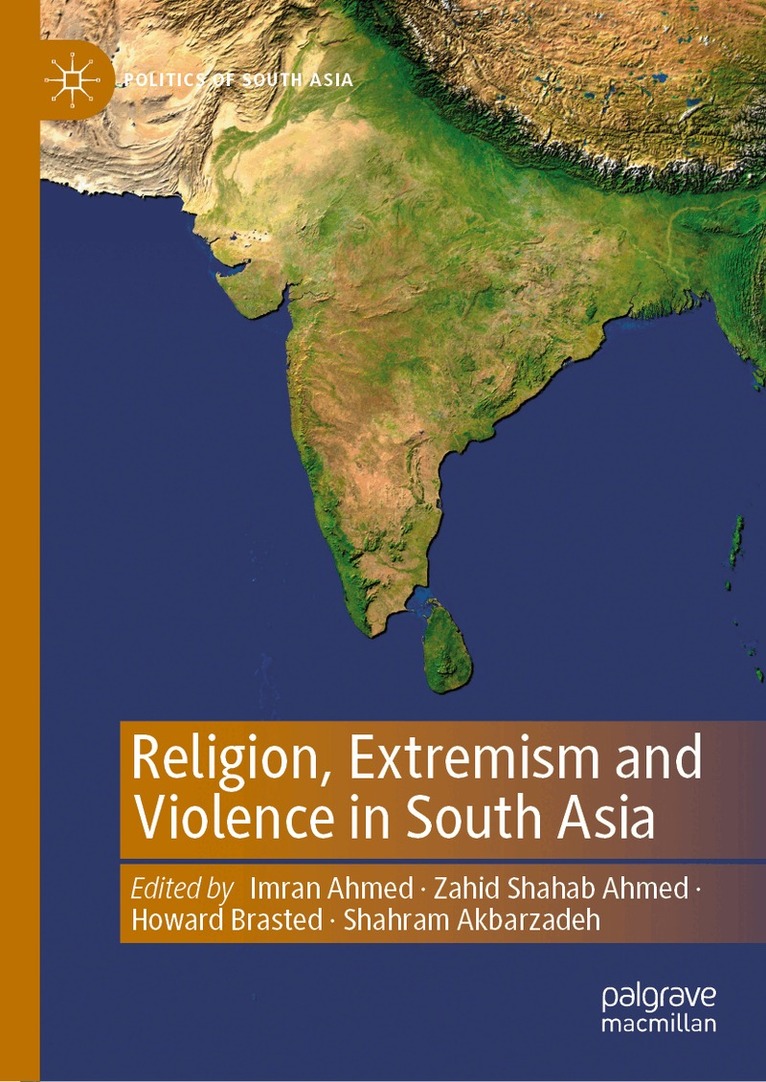
Religion, Extremism and Violence in South Asia
Imran Ahmed, Zahid Shahab Ahmed, Howard Brasted, Shahram Akbarzadeh
Inbunden, 2022
2 009 kr
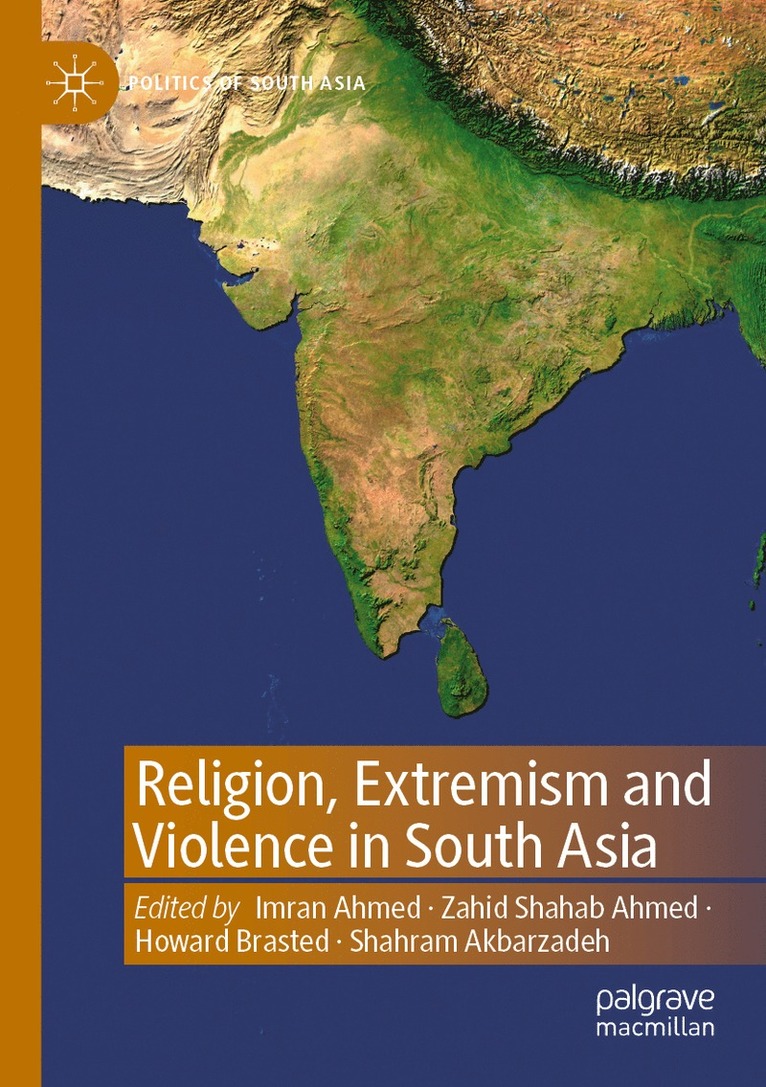
Religion, Extremism and Violence in South Asia
Imran Ahmed, Zahid Shahab Ahmed, Howard Brasted, Shahram Akbarzadeh
Häftad, 2023
2 009 kr
Hoppa över listan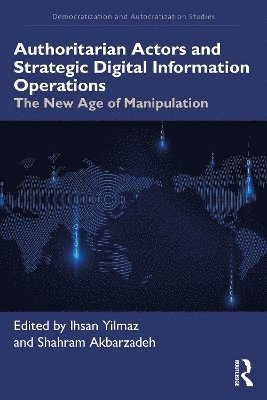


Du kanske också är intresserad av
Religion, Extremism and Violence in South Asia
Imran Ahmed, Zahid Shahab Ahmed, Howard Brasted, Shahram Akbarzadeh
Häftad, 2023
2 009 kr
Religion, Extremism and Violence in South Asia
Imran Ahmed, Zahid Shahab Ahmed, Howard Brasted, Shahram Akbarzadeh
Inbunden, 2022
2 009 kr
Authoritarian Actors and Strategic Digital Information Operations
Ihsan Yilmaz, Shahram Akbarzadeh
Häftad, 2025
829 kr
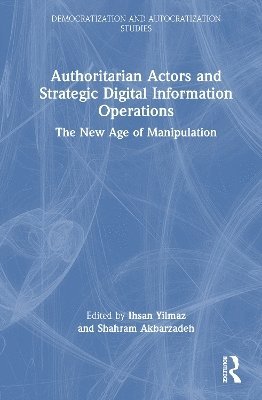
Authoritarian Actors and Strategic Digital Information Operations
Ihsan Yilmaz, Shahram Akbarzadeh
Inbunden, 2025
3 199 kr
- Nyhet
Del 3
- Nyhet
Del 4