
Decency and Excess
Global Aspirations and Material Deprivation on a Caribbean Sugar Plantation
Inbunden, Engelska, 2006
4 379 kr
Beställningsvara. Skickas inom 10-15 vardagar. Fri frakt för medlemmar vid köp för minst 249 kr.
Finns i fler format (1)
Based on periodic ethnographic fieldwork over a span of fifteen years, Martinez shows how impoverished plantation dwellers find ways of coping with the alienation that would be expected while laboring to produce goods for the richer countries. Despite living in dire poverty, these workers live in a thoroughly commodified social environment. Ritual, eroticism, electronic media, household adornment, payday-weekend "binging" are ways even chronically poor plantation residents dream beyond reality. Yet plantation residents' efforts to live decently and escape from the dead hand of necessity also deepen existing divisions of ethnic identity and status. As the divide between "haves" and "have-nots" worsens as a result of neoliberal reform and the decline of sugar in international markets, this book reveals on an intensely human scale the coarsening of the social fabric of this and other communities of the world's poorer nations.
Produktinformation
- Utgivningsdatum2006-03-15
- Mått152 x 229 x 18 mm
- Vikt453 g
- FormatInbunden
- SpråkEngelska
- Antal sidor242
- FörlagTaylor & Francis Inc
- ISBN9781594511875
Tillhör följande kategorier
Hoppa över listan





Mer från samma författare
Amazing Marriage: A 31 Step Devotional To A Heavenly Marriage Using The KISS Method
Samuel Martinez
Häftad, 2019
309 kr
Amazing Parenting: Becoming An Amazing Parent and Having Amazing Children Through Grace Based Parenting
Samuel Martinez
Häftad, 2019
299 kr
Hoppa över listan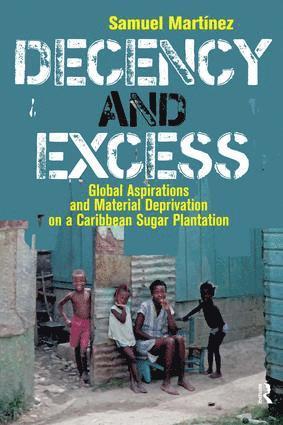
Du kanske också är intresserad av
Amazing Parenting: Becoming An Amazing Parent and Having Amazing Children Through Grace Based Parenting
Samuel Martinez
Häftad, 2019
299 kr
Amazing Marriage: A 31 Step Devotional To A Heavenly Marriage Using The KISS Method
Samuel Martinez
Häftad, 2019
309 kr
- Nyhet