
Del i serien Library of Hebrew Bible/Old Testament Studies
Constructions of Space III
Biblical Spatiality and the Sacred
Inbunden, Engelska, 2016
2 589 kr
Beställningsvara. Skickas inom 10-15 vardagar. Fri frakt för medlemmar vid köp för minst 249 kr.
Finns i fler format (1)
Constructions of Space III engages with the great variety of sacred spaces set out and given meaning in the texts of the Hebrew Bible, early Jewish literature and the New Testament. Spatial-critical, as well as anthropological, philosophical and narrative perspectives are interacted with in creative ways and brought to bear on the spaces encountered within the texts. Among the concepts and themes explored are oppositional aspects such as holiness and danger/the profane, fear and hope, utopia and dystopia, and purity and impurity. The social and mythological significance of more 'grounded' places such as Jerusalem and Egypt, temples, burial places and threshing floors is considered alongside more ethereal and symbolic spaces like those of heaven, the last judgement and the kingdom of God. What emerges is a dynamic and lively set of perspectives that illuminates relationships between texts, spaces and communities.
Produktinformation
- Utgivningsdatum2016-06-02
- Mått156 x 235 x 19 mm
- Vikt553 g
- FormatInbunden
- SpråkEngelska
- SerieLibrary of Hebrew Bible/Old Testament Studies
- Antal sidor264
- FörlagBloomsbury Publishing PLC
- ISBN9780567115164
Tillhör följande kategorier
Hoppa över listan





Mer från samma serie
Mediating Between Heaven and Earth
C.L. Crouch, Jonathan Stökl, Anna Elise Zernecke
Häftad, 2014
729 kr
Cognitive Perspectives on Israelite Identity
Dermot Anthony Nestor, Andrew Mein
Inbunden, 2010
2 779 kr
Hoppa över listan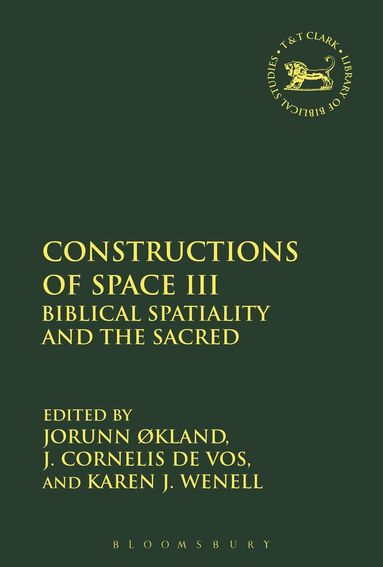

Du kanske också är intresserad av
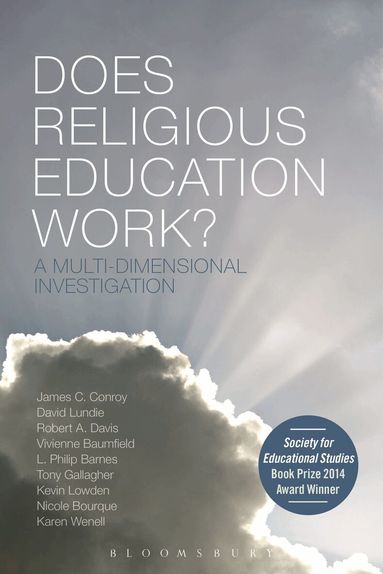
Does Religious Education Work?
James C. Conroy, David Lundie, Robert A. Davis, Vivienne Baumfield, L. Philip Barnes, Tony Gallagher, Kevin Lowden, Nicole Bourque, Karen J. Wenell
Häftad, 2015
679 kr
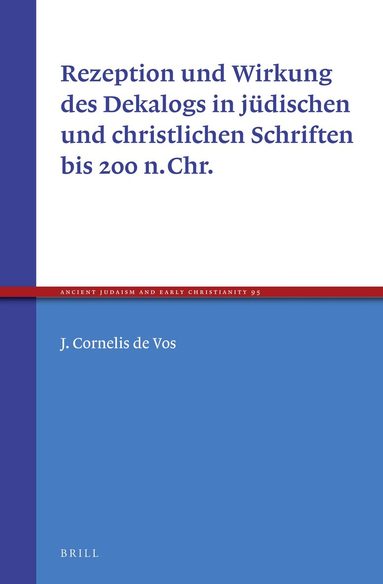
Del 95
Rezeption und Wirkung des Dekalogs in jüdischen und christlichen Schriften bis 200 n.Chr.
J. Cornelis de Vos
Inbunden, 2016
4 199 kr
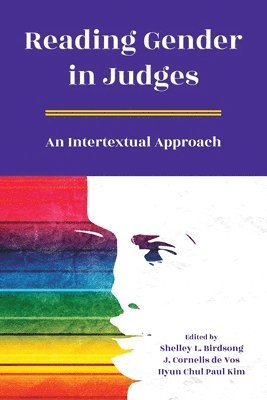
Reading Gender in Judges
Shelley L Birdsong, J Cornelis De Vos, Hyun Chul Paul Kim
Inbunden, 2023
939 kr