
Collective Memory Work
A Methodology for Learning With and From Lived Experience
Häftad, Engelska, 2018
979 kr
Beställningsvara. Skickas inom 10-15 vardagar. Fri frakt för medlemmar vid köp för minst 249 kr.
The seemingly mundane events of daily life create a complex knowledge base of lived experience to be explored. But how does one research common experiences and account for context, culture, and identity? A dilemma arises because experience is not just embedded in events, but also in the socially constructed meanings associated with those events. This book details the philosophical underpinnings, design features and implementation strategies of Collective Memory Work – a methodology frequently employed by social justice activists/scholars. Collective Memory Work can provide scholars with unique and nuanced ways to solve problems for and with their participants. Most importantly, the chapters also detail projects and social justice in action, analysing their participants’ real stories and experiences: projects that focus on LGBTQ youth, #blacklivesmatter activists, white faculty working at historically Black colleges and universities, men’s media consumption and much more. Written in an engaging and accessible style, readers will come to understand the potential of their own qualitative research using Collective Memory Work.
Produktinformation
- Utgivningsdatum2018-06-04
- Mått152 x 229 x 10 mm
- Vikt242 g
- FormatHäftad
- SpråkEngelska
- Antal sidor156
- FörlagTaylor & Francis Ltd
- ISBN9781138237926
Tillhör följande kategorier
Hoppa över listan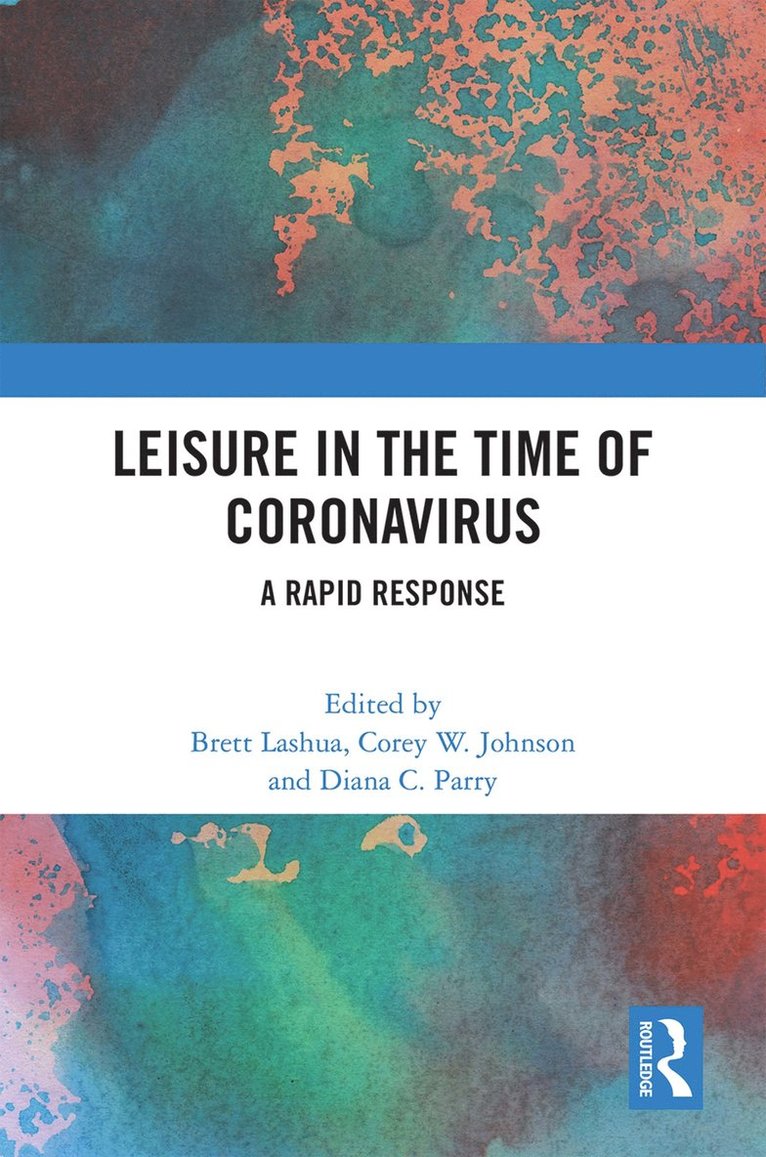

Du kanske också är intresserad av
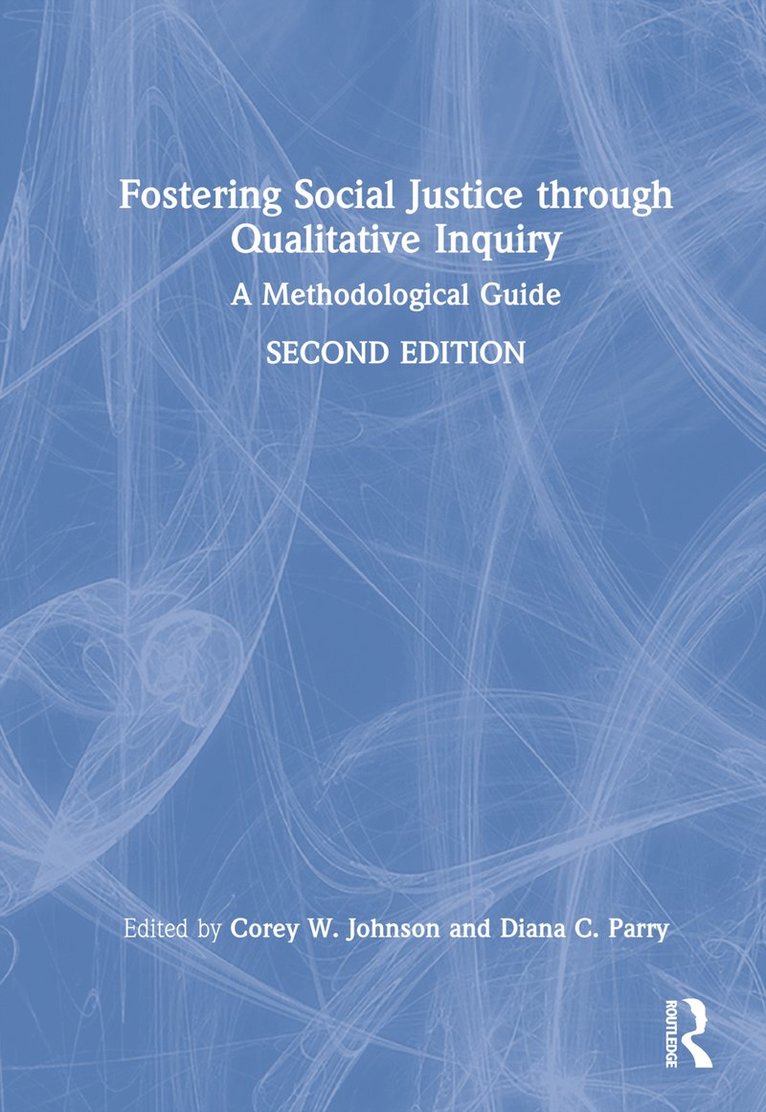
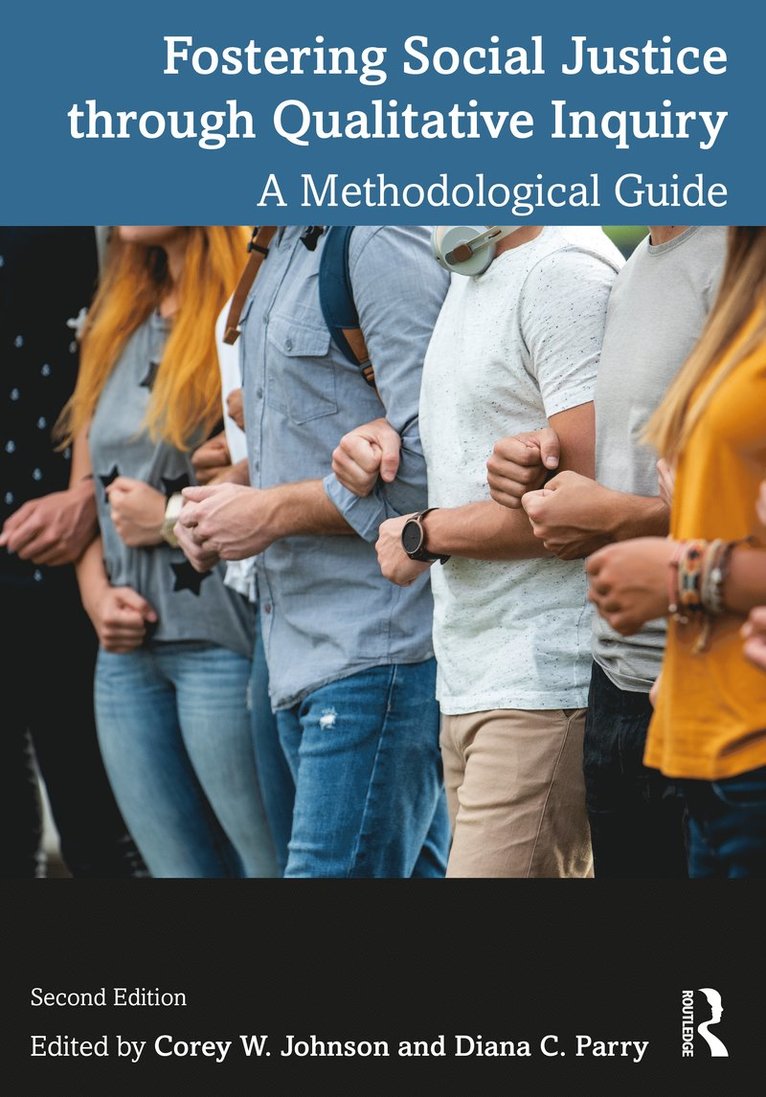
Fostering Social Justice through Qualitative Inquiry
Corey W. Johnson, Diana C. Parry
Inbunden, 2022
3 219 kr
Thriving on Campus
Michael R. Woodford, Antonio Duran, Tin D. Vo, Corey W. Johnson, Lee Airton, Simon Coulombe
Inbunden, 2025
3 129 kr
Thriving on Campus
Michael R. Woodford, Antonio Duran, Tin D. Vo, Corey W. Johnson, Lee Airton, Simon Coulombe
Häftad, 2026
859 kr
Fostering Social Justice through Qualitative Inquiry
Corey W. Johnson, Diana C. Parry
Häftad, 2022
1 049 kr
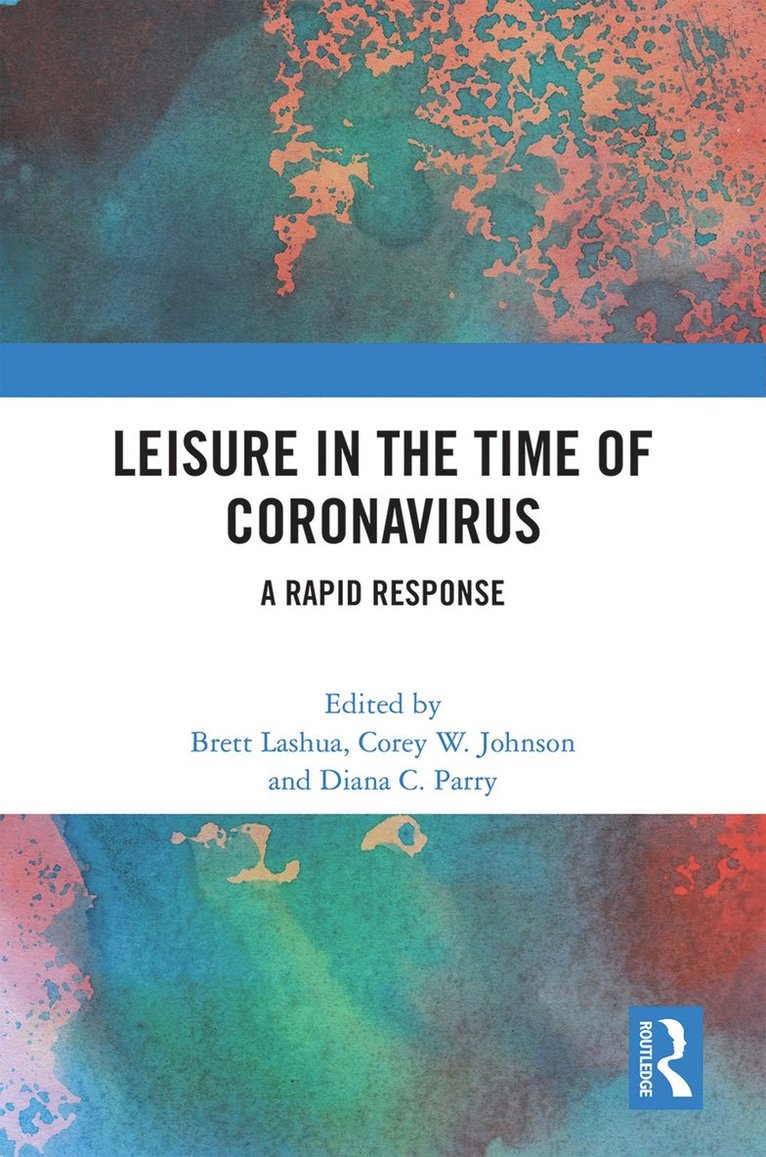
Leisure in the Time of Coronavirus
Brett Lashua, Corey W. Johnson, Diana C. Parry
Inbunden, 2022
3 219 kr