
Del 24 i serien Sustainable Development and Biodiversity
Biodiversity and Chemotaxonomy
Häftad, Engelska, 2020
2 159 kr
Beställningsvara. Skickas inom 10-15 vardagar. Fri frakt för medlemmar vid köp för minst 249 kr.
Finns i fler format (1)
Plant classifications are based on morphological characters and it is difficult, particularly in small plants and grasses, to identify these below generic level on the basis of these characters using a dissecting microscope. Plant species have intra- and inter-specific variation in secondary metabolites which can be utilized as marker compounds for identification and classification of plants. Secondary metabolites are produced as a result of primary metabolism and the production of these compounds not only involves several genes but also it is an energy dependent process. Hence these products cannot be considered as insignificant for the plant and the environment. Modern tools of molecular biology and secondary metabolites present in them can definitively decide about classification of plants. Absence of correct identification of plant is associated to many problems of resource utilization. Due to wide availability of these tools, interest has revived in systematics and correct classification of plants based on these parameters for their sustainable utilization and resource management.The purpose of this book is to assess the potential of phytochemical and molecular tools in the systematic and classification of plants. The topics covered include species concept, barcoding and phylogenetic analysis, chemotaxonomy use of polyketides, carotenes, cuticular wax, volatile oils, biodiversity of corals, metazoans, Ruta and Echinocereus.It provides comprehensive and broad subject-based reviews, useful for students, teachers, researchers, and all others interested in the field. The field has been kept wide and general to accommodate the wide-ranging topics. This book will be useful to agriculturists, chemists, botanists, industrialists, and those involved in planning of crop plants.
Produktinformation
- Utgivningsdatum2020-11-20
- Mått155 x 235 x 17 mm
- Vikt575 g
- FormatHäftad
- SpråkEngelska
- SerieSustainable Development and Biodiversity
- Antal sidor318
- FörlagSpringer Nature Switzerland AG
- ISBN9783030307486
Tillhör följande kategorier
Hoppa över listan
Mer från samma författare
Reproductive Biology of Plants
Kishan Gopal Ramawat, Jean-Michel Merillon, K. R. Shivanna
Inbunden, 2014
3 959 kr
Plant Cell and Tissue Differentiation and Secondary Metabolites
Kishan Gopal Ramawat, Halina Maria Ekiert, Shaily Goyal
Inbunden, 2020
8 849 kr
Del 22
Del 22
Del 28
Del 28
Plant Antioxidants and Health
Halina Maria Ekiert, Kishan Gopal Ramawat, Jaya Arora
Inbunden, 2022
8 129 kr
Hoppa över listan
Mer från samma serie
Del 18
Del 19
Del 23
Field Crops: Sustainable Management by PGPR
Dinesh Kumar Maheshwari, Shrivardhan Dheeman
Inbunden, 2019
2 159 kr
Del 23
Field Crops: Sustainable Management by PGPR
Dinesh Kumar Maheshwari, Shrivardhan Dheeman
Häftad, 2020
1 579 kr
Plant Microbiomes for Sustainable Agriculture
Ajar Nath Yadav, Joginder Singh, Ali Asghar Rastegari, Neelam Yadav
Inbunden, 2020
2 579 kr
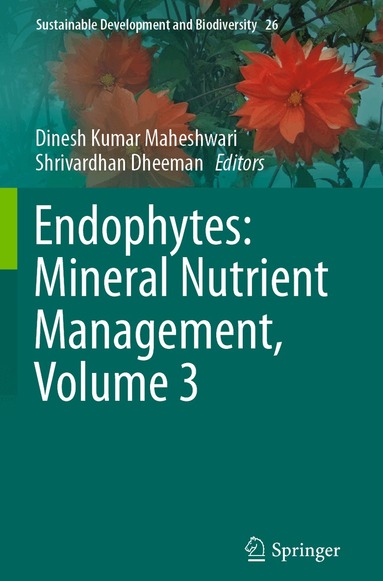
Endophytes: Mineral Nutrient Management, Volume 3
Dinesh Kumar Maheshwari, Shrivardhan Dheeman
Inbunden, 2021
2 869 kr
Del 26
Endophytes: Mineral Nutrient Management, Volume 3
Dinesh Kumar Maheshwari, Shrivardhan Dheeman
Häftad, 2022
2 869 kr
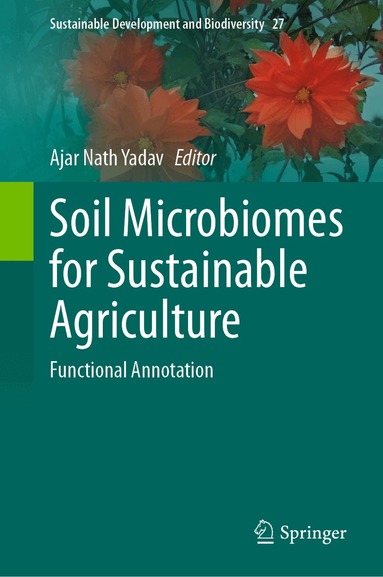
Del 27
Del 27
Del 28
Hoppa över listan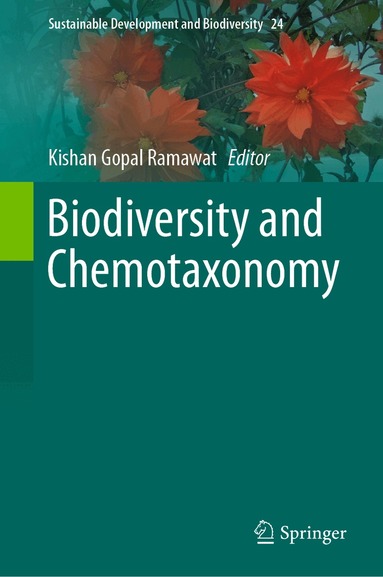
Du kanske också är intresserad av
Del 24
Del 22
Plant Antioxidants and Health
Halina Maria Ekiert, Kishan Gopal Ramawat, Jaya Arora
Inbunden, 2022
8 129 kr
Del 28
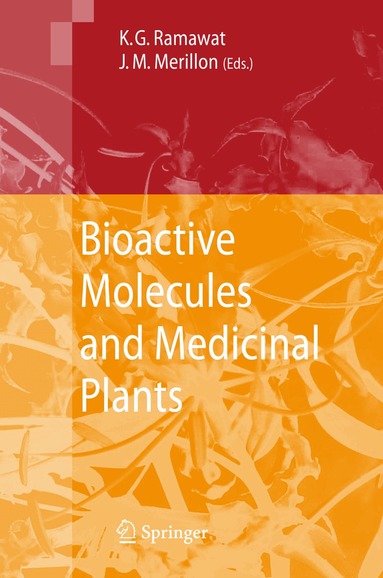
Bioactive Molecules and Medicinal Plants
Kishan Gopal Ramawat, Jean-Michel Mérillon
Häftad, 2010
2 969 kr
Plant Cell and Tissue Differentiation and Secondary Metabolites
Kishan Gopal Ramawat, Halina Maria Ekiert, Shaily Goyal
Inbunden, 2020
8 849 kr
Del 28