
Across the Green Sea
Histories from the Western Indian Ocean, 1440–1640
Inbunden, Engelska, 2024
709 kr
Beställningsvara. Skickas inom 5-8 vardagar. Fri frakt för medlemmar vid köp för minst 249 kr.
Finns i fler format (1)
Beginning in the mid-fifteenth century, the regions bordering the western Indian Ocean – ‘the green sea,’ as it was known to Arabic speakers – underwent vast transformation. An era of commercial and cultural exchange blossomed between the Red Sea and Mecca, the Persian Gulf, East Africa, Kerala and western India.In Across the Green Sea, Sanjay Subrahmanyam recounts the history of this ocean from a variety of shifting viewpoints. He sets the scene with the withdrawal of China's Ming Dynasty and explores how the western Indian Ocean was transformed by the growth and increasing prominence of the Ottoman Empire and the continued spread of Islam into East Africa. He examines how several cities, including Mecca and the vital Indian port of Surat, grew and changed during these centuries, when various powers interacted, until famines and other disturbances upended the region in the seventeenth century.Rather than proposing an artificial model of a dominant centre and its dominated peripheries, Across the Green Sea reveals the complexity of a truly dynamic and polycentric system through the use of connected histories, a method which he has pioneered.
Produktinformation
- Utgivningsdatum2024-07-02
- Mått156 x 234 x 45 mm
- Vikt700 g
- FormatInbunden
- SpråkEngelska
- Antal sidor244
- FörlagSaqi Books
- ISBN9780863569517
- UtmärkelserLong-listed for Cundhill History Prize 2025 (Canada)
Tillhör följande kategorier
Hoppa över listan


Mer från samma författare
The Cambridge World History
Jerry H. Bentley, Sanjay Subrahmanyam, Merry E. Wiesner-Hanks
Inbunden, 2015
2 909 kr
The Cambridge World History: Volume 6, The Construction of a Global World, 1400-1800 CE, Part 1, Foundations
Jerry H. Bentley, Sanjay Subrahmanyam, Merry E. Wiesner-Hanks
Häftad, 2017
769 kr
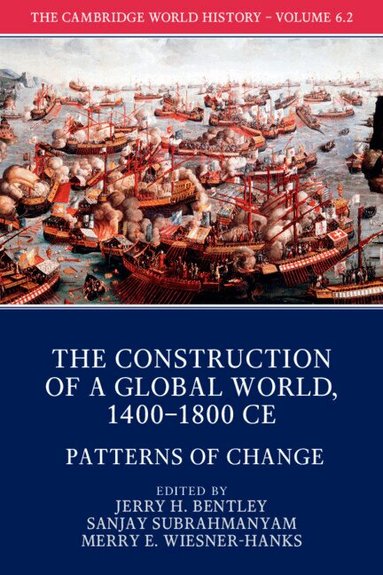
The Cambridge World History: Volume 6, The Construction of a Global World, 1400-1800 CE, Part 2, Patterns of Change
Jerry H. Bentley, Sanjay Subrahmanyam, Merry E. Wiesner-Hanks
Häftad, 2017
769 kr
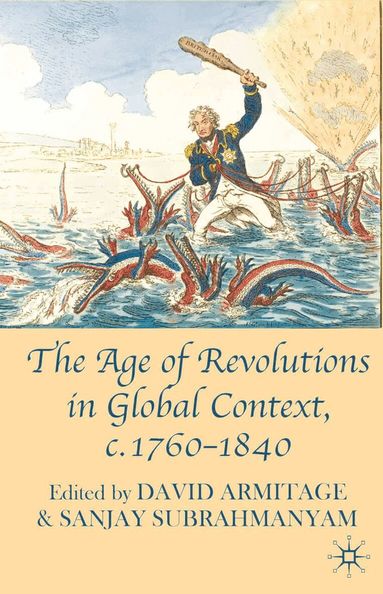
Age of Revolutions in Global Context, c. 1760-1840
David Armitage, Sanjay Subrahmanyam, David Armitage, Sanjay Subrahmanyam
Inbunden, 2009
2 079 kr
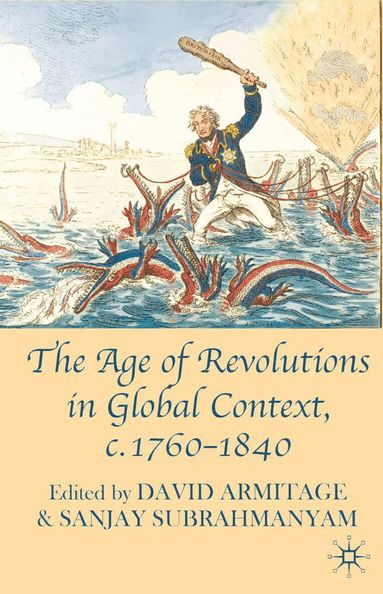
Age of Revolutions in Global Context, c. 1760-1840
David Armitage, Sanjay Subrahmanyam, David Armitage, Sanjay Subrahmanyam
Häftad, 2009
649 kr
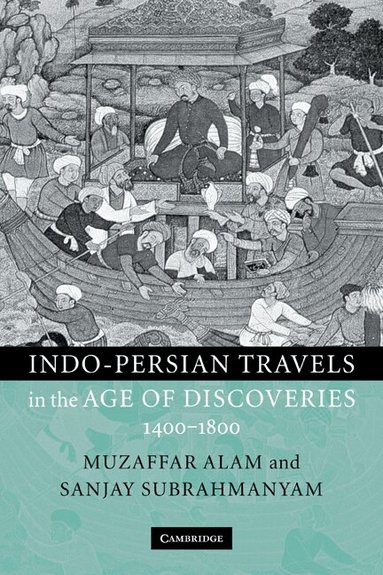
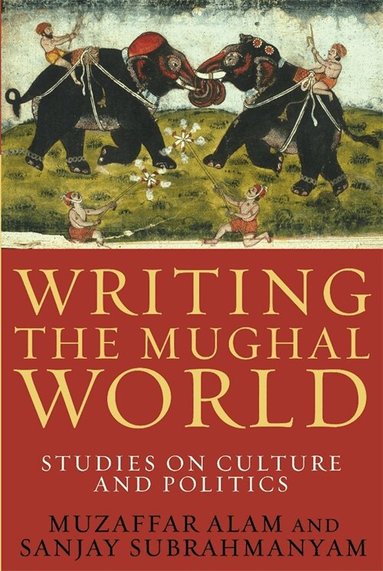
Indo-Persian Travels in the Age of Discoveries, 1400-1800
Muzaffar Alam, Sanjay Subrahmanyam
Häftad, 2010
1 069 kr
Hoppa över listan


Du kanske också är intresserad av
Del 2
Historical Teleologies in the Modern World
Henning Trüper, Dipesh Chakrabarty, Sanjay Subrahmanyam
Inbunden, 2015
2 639 kr
The Cambridge World History: Volume 6, The Construction of a Global World, 1400-1800 CE, Part 2, Patterns of Change
Jerry H. Bentley, Sanjay Subrahmanyam, Merry E. Wiesner-Hanks
Häftad, 2017
769 kr
Historical Teleologies in the Modern World
Henning Trüper, Dipesh Chakrabarty, Sanjay Subrahmanyam
Häftad, 2015
679 kr
The Cambridge World History
Jerry H. Bentley, Sanjay Subrahmanyam, Merry E. Wiesner-Hanks
Inbunden, 2015
2 719 kr
Indo-Persian Travels in the Age of Discoveries, 1400-1800
Muzaffar Alam, Sanjay Subrahmanyam
Häftad, 2010
1 069 kr